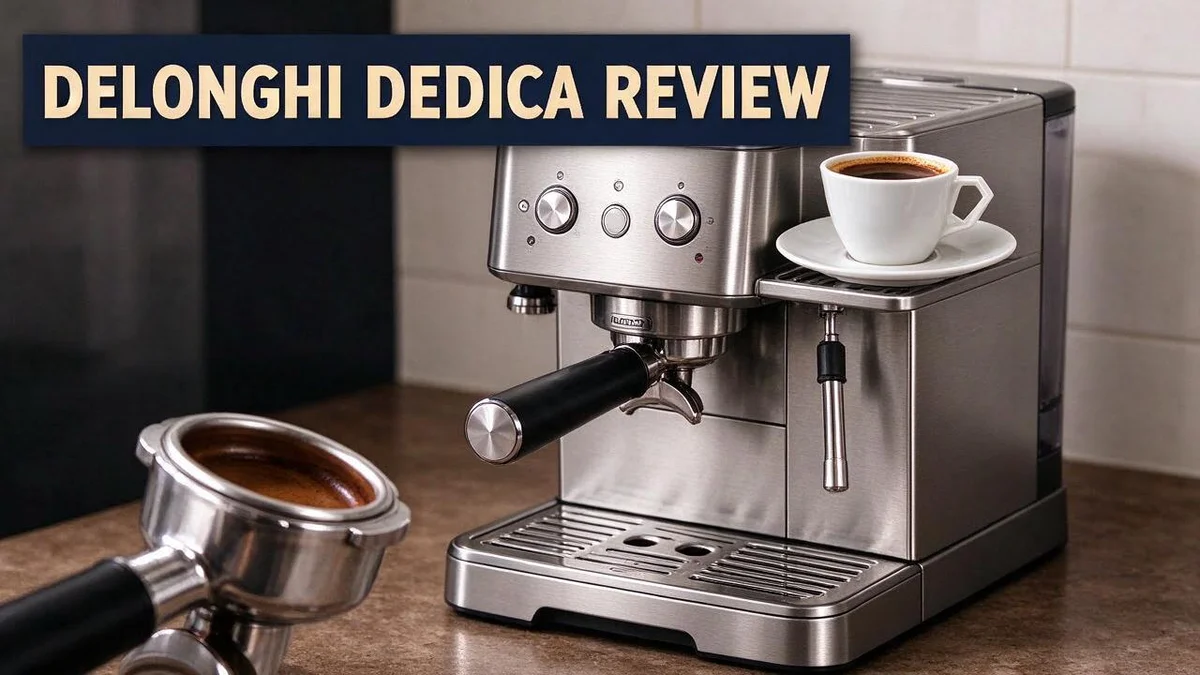
De’Longhi Dedica Review: Is This Compact Espresso Machine Worth Buying?
Looking for a home espresso machine that feels simple? The De’Longhi Dedica might be the one. It is a slim pump machine that fits neatly on most counters.
Many people want good coffee without a steep learning curve. The Dedica brews solid espresso with very little fuss. It also has a powerful steam wand for milk drinks.
Still, it has its limits. The fifteen bar pump and thermal block heating shape how it performs. Some users also report channeling and a portafilter that is tricky to attach.
In this review, we look at the specs, the pros, the cons, and how the Dedica stacks up against rivals like the Breville Bambino and Gaggia Classic Pro. Let’s find out if it deserves a spot in your kitchen.
In a Nutshell
- Best fit: Small kitchens need a machine that does not take much room. The slimline body and compact footprint suit tight counters, and it still pulls real espresso shots at home.
- Steam power: The steam wand is a real highlight. It gives you enough force to froth milk for lattes and cappuccinos, so you can make milk drinks without buying extra gear.
- Model choice: The EC680 covers the essentials. The EC685 adds control over water temperature, water hardness, and extraction time, which suits people who like to tweak their shots.
- Attachment issue: The portafilter can feel tricky to lock into the brew group. Take a little extra time with each attachment to avoid spills and frustration.
- Shot limits: Pressurized baskets and channeling can hold back shot quality. You get only a light preinfusion, so fresh grounds and careful dosing matter more with this machine.
- Rival check: The Breville Bambino and Bambino Plus often win head to head against the Dedica. The Barista Express Impress and Gaggia Classic Pro also deserve a look if you want more hands on control.
Brewing Performance and Pressure

- Note: 1)Too coarse a grind, too little coffee, or insufficiently tamping the grounds before brewing can...
- Sleek design takes up only 6 inches of counter space, while still having a 35oz water tank
Last update on 2026-11-26 / Affiliate links / Images from Amazon Product Advertising API
Pressure does most of the work in a shot. Water needs force to push through finely ground coffee. The Dedica uses its pump to supply that force during every extraction.
Most baristas aim for about nine bar at the group head. The Dedica has more headroom than that. Extra pressure rarely fixes a shot, though, because grind size matters more.
Grind size controls the flow. A fine grind slows the water and builds resistance. A coarse grind lets water rush through and taste sour and thin.
The Dedica rewards patience at the grinder. Change one small thing at a time. Pull a shot, taste it, then adjust again.
Temperature stability shapes flavor too. The thermal block heats water on demand. Water that runs hot or cool can change sweetness and bitterness in the cup.
Thermal blocks heat up quickly, so the machine is ready soon after switching on. The first shot after a long rest can taste different. Running a short flush helps settle the temperature.
The EC685 offers more control. Its programmable water temperature lets you tune each brew. Light roasts often taste best with slightly hotter water.
The EC680 keeps things simple. It suits people who want a set routine and fewer dials.
Fresh beans make a big difference. Stale beans lose gas and produce thin crema. Buy small bags and store them sealed, away from heat and light.
Crema often looks thin with pressurized baskets. A non pressurized basket can add body and texture. Many enthusiasts use one for a richer cup.
Most people find a steady routine after a few days of practice. Keep notes on dose, grind, and time. Small changes add up quickly.
Good results come from simple habits. Use fresh water, clean the group head, and tamp evenly. These steps help the pressure work in your favor.
Steam Wand and Milk Texturing
Milk texturing is where the Dedica shines for many home cooks. Good foam needs steam with force, and this wand brings plenty of it. You get a rich, velvety texture without a long wait.
Start with cold milk. Fill a stainless steel pitcher about one third full. Cold milk gives you more time to stretch and texture before it heats up. Whole milk creates the thickest foam, but oat and soy milk also work well.
Place the wand tip just below the surface. Turn on the steam and listen for a soft hissing sound. That sound means air is mixing into the milk. Lower the pitcher slightly so a gentle whirlpool forms.
Stop stretching once the pitcher feels warm to the touch but not hot. Around sixty to sixty five degrees Celsius is a good target. Pulling the pitcher away too early leaves thin, bubbly foam. Keeping it in too long can scald the milk and dull its natural sweetness.
Purge the wand before and after each use. Open the steam knob for a second or two. This clears any milk trapped inside the tip. A quick wipe with a damp cloth keeps the wand clean and prevents clogs over time.
Practice builds skill fast. Many new users pour a few test pitchers before they get smooth microfoam. Tap the pitcher on the counter and swirl it gently. This step makes the milk glossy and ready for pouring latte art.
Milk temperature also depends on the wand angle. A shallow angle adds more air and creates extra foam. A deeper angle heats the milk more evenly. Try both methods until you find the texture you enjoy most.
Some drinkers notice that steam takes a moment to build after the machine warms up. Wait until the indicator light signals that it is ready. Then start your first pour. Patience at this stage makes a big difference in the final cup.
Size and Footprint
The Dedica has a slim body that suits tight spaces. Its compact footprint lets it sit on a narrow counter without crowding the rest of your setup.
Width matters most in this case. A narrow frame fits beside a grinder or toaster with room to spare.
Depth deserves a look too. Many counters are shallow, so check how far the machine sits from the wall. Leave room at the back for the water tank and power cord. A clear gap also helps air flow around the heating parts.
Height is the next thing to measure. Standard wall cabinets often sit close to the counter. Measure from the counter top to the bottom of the cabinet. Then add space for the drip tray and your mug.
Think about the portafilter path as well. You need open space in front of the machine to lift the handle and lock it in.
A cramped corner can make this step harder. Pull the machine a little forward so your hands have room to work.
The slim frame can also make storage simpler. Many owners keep it on the counter every day. Others slide it into a cupboard between uses. Check that the cupboard door can close fully with the machine inside.
A grinder often sits beside the Dedica. Pick one with a small footprint so both machines fit side by side. Test the setup before you commit to a final spot.
Find an outlet near your chosen spot. A short power cord keeps the area neat. Avoid long extension cords, since they can cause trouble.
Keep the top clear so you can reach it easily. A tidy counter also makes cleaning faster. A few minutes of measuring saves frustration later.
Top 3 Alternatives
Looking for a Delonghi Dedica alternative? These three espresso machines are worth a close look. Each one offers a different mix of ease, control, and flavor.
Breville Bambino Plus

- Every great cup of coffee starts with the grind: Upgrade your coffee experience with freshly-roasted...
- ThermoJet heating system: Innovative ThermoJet heating system achieves the optimum extraction temperature...
Last update on 2026-11-26 / Affiliate links / Images from Amazon Product Advertising API
The Breville Bambino Plus heats up fast, so you can pull a shot in minutes. Its automatic steam wand creates silky microfoam for lattes and cappuccinos. It suits beginners who want café drinks at home without a steep learning curve.
Best for: quick mornings and easy milk drinks.
Gaggia Classic Pro

- Solid Steel Housing, Made in Italy
- 9 Bar Espresso Extractions

Last update on 2026-11-26 / Affiliate links / Images from Amazon Product Advertising API
The Gaggia Classic Pro feels like a traditional espresso machine. It has a commercial style portafilter and a sturdy metal body. Many home baristas love the manual control because every shot depends on your grind and tamp. It rewards patience and practice.
Best for: hands on users who enjoy learning.
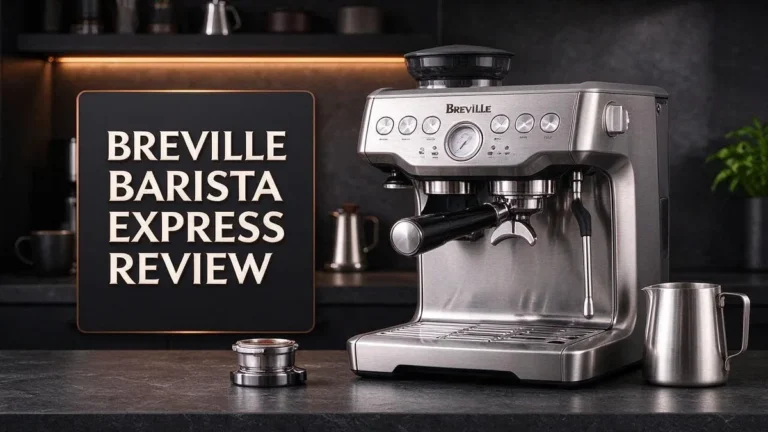
Breville Barista Express

- MANUAL HAND-TEXTURED MICROFOAM: The powerful steam wand on this cappuccino maker and latte machine is...
- PRECISE DOSE GRINDING: Integrated precision conical burr grinder on bean-to-cup espresso machine grinds...
Last update on 2026-11-26 / Affiliate links / Images from Amazon Product Advertising API
The Breville Barista Express combines a built in conical burr grinder with an espresso machine. You grind fresh beans right before brewing. Its grind dial helps you adjust size, and the steam wand helps you texture milk well. It offers the most all in one control of these three options. It works well for people who want fresh coffee every day.
Best for: fresh grounds and full customization.
Pick the machine that matches your skill level, counter space, and daily coffee habit. Each choice can give you a great cup at home.
Features and Model Differences
The Dedica comes in two versions. The EC680 and EC685 share the same core build. Both use a 15 bar pump and a thermal block.
The EC685 adds more settings. It offers water hardness and extraction time controls. These extras suit people who like to experiment with each cup.
Water hardness matters more than many expect. Hard tap water leaves more scale inside the machine. The setting helps you plan cleaning and keep the heating parts clear.
Extraction time gives you a second lever. You can decide when a shot should stop. This makes it easier to repeat a favorite recipe.
Start with default settings on the EC685. Learn the standard brew first. Then change one setting at a time so you can taste the difference.
Keep notes on each change. Write down the grind, dose, and time. This habit helps you find your best shot faster.
The EC680 suits simple routines. It has fewer options to learn. Many people prefer that when they want a quick cup each morning.
The portafilter takes some effort. It can be hard to lock onto the brew group. Line up the handle slowly and press it in with a steady hand.
Pressurized baskets make shots forgiving. They help beginners pull a shot with less skill. The downside is less control over flavor.
Preinfusion is only a light version. The Dedica offers a quasi preinfusion. Expect a less gentle start than some rivals.
The 51 mm portafilter limits accessory choices. This size is smaller than many pro machines. Check that any new basket or tamper matches before you order.
Think about your daily cleaning time. Extra settings can mean more steps to track. Hard water users should descale on a regular schedule.
Compare the two models side by side in a store. Hands on time shows how the controls feel. You will know quickly which layout suits you.
Choose based on how you brew. Pick the EC685 if you like control and testing. Pick the EC680 if you want a simple daily routine.
Pros and Cons
Pros
– Brews good espresso with little effort.
– Pressurized baskets help beginners get a richer shot.
– Ships with the parts needed to start brewing right away.
– Suits a simple daily coffee routine.
– Leaves room to grow as your skills improve.
Cons
– Channeling can waste shots and make flavor uneven.
– The 15-bar pump may limit pressure for finer espresso.
– Thermal block heating can cause temperature shifts between shots.
– Limited pre-infusion gives you less control over the shot start.
Who Should Buy It
The Dedica suits people who want to learn espresso at home. It rewards curiosity without demanding expert skills on day one. Each shot becomes a small lesson in taste.
First-time espresso drinkers make up a large share of this crowd. They want a real espresso machine rather than a pod brewer. The Dedica gives them that hands-on feeling.
Milk drink fans also get plenty from this machine. The powerful steam wand helps create silky foam for lattes and cappuccinos. Many people enjoy frothing as a relaxing part of the morning.
Bean explorers will enjoy trying different roasts. Light and dark beans taste very different through this machine. Testing new coffees becomes a fun weekend habit.
Hobbyists who enjoy tinkering will find plenty of room to explore. They can change grind size, dose, and timing as their taste grows. Every new cup brings a fresh question to answer.
Busy mornings call for a quick routine. Many people want a cup ready before the commute. Once the habit forms, the Dedica can fit that rhythm nicely.
Households that share one kitchen can benefit too. Couples or roommates can take turns making drinks with little friction. Everyone can learn the same basic steps together.
Gift shoppers for a coffee fan may also find this helpful. It offers a hands-on experience that feels special to open. The recipient can grow into the craft at their own pace.
Shoppers who want a fast-heating option may also compare the Breville Bambino. It is a popular pick for people who want quick starts. Comparing both machines helps clarify personal priorities.
Who should look elsewhere? Anyone who expects a café-style shot every single time may feel let down. Precision seekers often want more control than this machine offers. They may prefer a machine built for advanced control.
In short, the Dedica fits learners, milk lovers, and curious home baristas. It works best for people who enjoy the process as much as the drink. Matching the machine to your habits makes the choice clear.
Final Verdict
The Dedica earns a spot on your shortlist. It makes good espresso with simple steps. Most home users will feel pleased with the cup.
Think of this machine as a learning tool. It teaches the basics without overwhelming you. Once those basics feel natural, you can decide what comes next.
Your grinder may matter more than the machine. A steady grind often changes flavor more than any setting. Fresh beans help too, so buy small bags often.
Keep the grind consistent for each shot. Adjust one thing at a time. This habit saves beans and time while you practice.
A simple first month helps you build skill. Brew three shots each day for one week. Taste each one and note what changed.
Cleaning matters as much as brewing. Rinse the portafilter after each use. Wipe the steam wand right away so milk does not dry on it.
Milk drinkers should practice steaming in small batches. Start with cold milk and a cup you can measure. Small steps lead to smoother texture over time.
A short checklist near the machine helps everyone. Shared kitchens often brew differently without one. A shared routine keeps flavor steady.
The Breville Bambino fits people who want a faster start. The Barista Express Impress and Gaggia Classic Pro suit those who plan to grow into more hands on control.
Buy it if you want a simple daily espresso routine. It rewards patience and steady practice. The cup improves as your technique improves.
Skip it if you expect perfect shots from day one. Shot consistency takes time with any machine. Set your expectations early, and you will enjoy the process more.
The final call comes down to your habits. Choose the Dedica if you enjoy learning. Pick another model if you want speed or zero trial and error.
In short, the Dedica offers a friendly path into home espresso. It keeps the start simple and leaves room to grow. That balance makes it a strong choice for a first machine.
Frequently Asked Questions
What is the main difference between the EC680 and EC685?
The EC685 adds programmable water temperature, water hardness settings, and extraction time control. The EC680 keeps things simpler. Choose the EC685 if you like to adjust each shot.
Is the portafilter hard to attach?
Many owners find it tricky at first. Line up the handle with the brew group, then lock it in with a firm, steady turn. Practice this a few times, and it will feel natural.
What size portafilter does the Dedica use?
It ships with a 51 mm portafilter. This is a common standard size. Check this size before you buy new baskets or tampers.
What can I do if my shot tastes bitter?
Bitter shots often come from a grind that is too fine or a shot that runs too long. Try a slightly coarser grind first. On the EC685, you can also shorten the extraction time. Small changes often fix the taste quickly.

Hi, I’m Luna! I’m the voice behind CoffeePickster.com. I’m a coffee obsessive who’s spent way too many hours (and dollars) testing coffee makers so you don’t have to. I created this blog to help fellow coffee lovers find the right gear without the guesswork. Let’s brew something great together!