Bialetti Moka Express Review: Is This Stovetop Espresso Maker Worth It?
Few kitchen tools have stayed this popular for this long. The Bialetti Moka Express is one of them. Many coffee lovers still reach for it every morning.
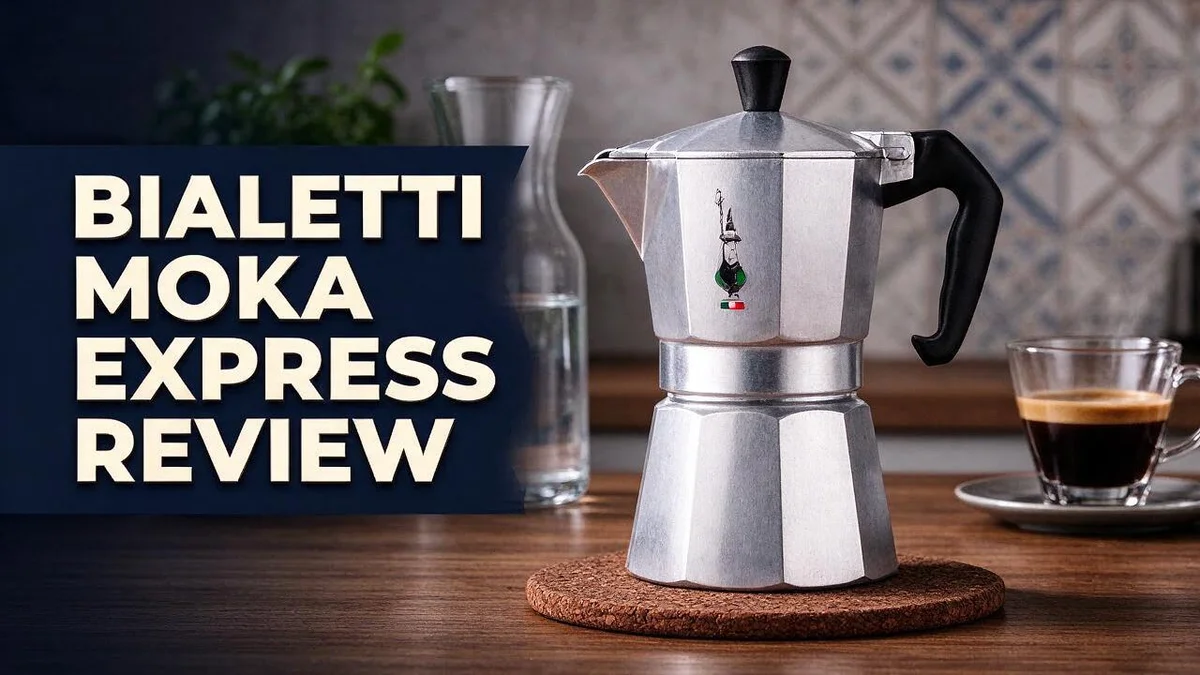
This stovetop pot uses steam pressure to push hot water through ground coffee. It creates a strong, rich cup that many people love. The design has three simple parts: a bottom boiler, a filter basket, and a top chamber.
Good news for busy mornings: it needs no circuits or pumps. You simply fill, heat, and pour. It works well for milk drinks too.
In this review, we will look at how it performs, what to watch for, and who it suits best. Read on to see if this classic moka pot belongs in your kitchen.
In a Nutshell
- The pot has three parts. You add water to the bottom boiler. Finely ground coffee goes in the filter basket. Your brew collects in the top chamber.
- It makes a small batch. The 3-cup version brews about 9 oz at a time. That is a good fit for one or two people who want a quick cup.
- Aluminum or steel? Both materials work well. Steel holds up better over time, so it suits people who want less wear.
- Flavor is the big win. Fans love the strong, rich taste. It also pairs nicely with milk for lattes and other milk drinks.
- Watch the handle. Some users report handle trouble, so inspect it closely before you rely on it every day.
- Rivals are close by. Models like the Bialetti Brikka, which adds a foamy crema layer, and the Alessi 9090 compete in the same space.
Build and Materials

- The original moka coffee pot: Moka Express is the original stovetop espresso maker, it provides the...
- Made in Italy: it is Made in Italy and its quality is enhanced by the patented safety valve which makes...

Last update on 2026-11-27 / Affiliate links / Images from Amazon Product Advertising API
The Moka Express has a simple design that holds up well over time. Each part screws together by hand. A snug fit keeps the pressure where it belongs.
The top and bottom sections seal with a rubber gasket. This ring sits inside the lower boiler. Check it often, because a worn ring lets steam escape. You can swap a worn ring when needed.
The filter funnel holds the ground coffee. It sits above the water without touching it. Its small holes let the brew flow up cleanly. Keep the holes clear to avoid clogs.
Most models include a safety valve. If pressure builds too high, steam vents through it. This feature gives extra peace of mind on the stove.
The body has a tapered shape with a narrow top. This shape helps the steam climb steadily through the grounds. A wide base also keeps the pot steady on the burner.
Aluminum heats up quickly. It also cools down fast, so the pot is easy to handle after brewing. Steel versions take a little longer to warm up. They also hold heat steadily.
Empty, the pot feels light in the hand. This makes it easy to lift, fill, and pour.
Steel models often suit induction cooktops. Aluminum versions usually do not. Always check the base label before you cook.
Cleaning takes only a few minutes. Rinse each part with warm water after use. Avoid harsh soap, since it can leave a taste in the next brew. Dry all parts fully to prevent corrosion on the aluminum body.
Overall, the build feels practical. Few moving parts mean fewer things to break. That simple design explains why this pot has stayed in homes for decades. Each piece can be replaced if it wears out. Treat the pot with care, and it can serve you for years.
Capacity and Brew Size
Think about how many people you plan to serve. The 3-cup model suits one or two people well. Larger households may need to brew twice to fill every mug.
Each cup on the label is small. The measure follows espresso size servings, not large coffee mugs. Most people pour two rounds to fill a regular mug.
Fill the water only up to the safety valve. Water above that point can change the brew and make a mess. Check the level before every session.
Coffee dose matters too. Fill the filter basket level, but do not pack it tightly. Loose grounds let steam flow evenly and keep the taste balanced.
Brewing for a group takes more time. Each round needs a fresh fill of water and grounds. Keep the pot cool between rounds so you can handle it safely.
Plan for the second round. Coffee left in the top chamber can turn bitter if it sits. Pour it into cups right away.
Serving size also affects flavor. A small pour is strong and concentrated. Adding hot water or milk stretches it into a longer drink.
Pick a size based on your daily habits. If you drink one strong cup and then head out, the 3-cup pot fits well. Guests or a busy family may call for a larger model.
Measure your routine before you choose. Write down how many cups you pour each morning for one week. That simple log shows which size fits your habits best.
Think about storage space as well. A 3-cup pot fits easily in most cabinets. It takes little counter space, so it works in small kitchens.
Match the pot to your life. A small pot heats quickly and keeps breakfast on schedule. Choose the size that fits your routine, and your coffee will taste great every day.
Brewing Performance and Flavor
Brewing starts with the right heat. Medium heat works best on most stoves. High heat forces water through the grounds too fast. The result can taste sharp and burnt.
Grind size shapes every sip. The coffee needs a fine grind, but not powder. Fine grounds let the steam push water evenly. Coarse grounds let water rush past and taste weak.
Listen for the gurgle. A soft gurgle signals that brewing is nearly done. Many people remove the pot right then. Waiting too long adds a scorched flavor to the cup.
The coffee has a thick body. Oils from the beans pass through the filter. This gives the cup a smooth, heavy feel on the tongue. Many drinkers notice the texture before the taste.
It sits between espresso and drip. The brew is more concentrated than drip coffee. It is lighter than a true espresso shot. Many people enjoy this middle ground every morning.
Milk drinks taste especially good. The bold base stands up well to steamed milk. Lattes and cappuccinos made with this pot taste rich and satisfying. Add a splash of milk for a creamy treat.
Flavor changes with the beans. Dark roasts give deep, smoky notes. Medium roasts bring out chocolate and nut flavors. Try a few blends to find your favorite.
Water temperature helps too. Pouring hot water into the bottom boiler saves time. The grounds then brew faster and taste fresher. Cold water takes longer and can pull out harsh flavors.
Expect no thick foam on top. This pot does not make the crema found on espresso. Some other models add that layer. Still, the flavor delivers a satisfying punch that many people love.
Overall, the taste earns its place. Careful heat and fine grounds bring out deep flavor. Anyone who wants a bold morning cup will feel right at home.
Top 3 Alternatives
Looking for a different stovetop coffee maker? These three picks are worth a close look.
Bialetti Brikka

- Thick Crema for a Rich Espresso: Bialetti Brikka is the only stovetop espresso maker delivering an...
- Easy Coffee Preparation: Use the measuring cup, fill the boiler with water, add coffee to the filter...
Last update on 2026-11-27 / Affiliate links / Images from Amazon Product Advertising API
The Bialetti Brikka adds a pressure valve to the classic design. This valve builds extra pressure during brewing, which creates a thick, foamy layer on top. Many coffee fans enjoy this creamy texture.
It suits people who want a richer cup without buying an espresso machine. Simply fill the base with water, add grounds, and heat it on the stove.
Bialetti Venus

- Venus is the perfect combination of tradition and innovation: the original induction coffee maker that...
- Bialetti Venus is made in 18/10 stainless steel of the highest quality to guarantee durability over time...
Last update on 2026-11-27 / Affiliate links / Images from Amazon Product Advertising API
The Bialetti Venus features a sleek stainless steel body. It works on induction cooktops, so it fits modern kitchens well. Its simple parts make cleaning quick after every use.
You get bold, strong coffee in just a few minutes. Beginners often find it easy to master, and it looks great on the counter.
Grosche Milano

- ⭐BARISTA-QUALITY ESPRESSO, YOUR WAY: Elevate your mornings with the versatile Moka Espresso Coffee...
- ⭐EFFORTLESS BREWING, ANYWHERE: Embrace the world of portable espresso with this mini machine. Suitable...
Last update on 2026-11-27 / Affiliate links / Images from Amazon Product Advertising API
The Grosche Milano stands out with its polished stainless steel finish. It also works on induction stoves and gas burners. Many users praise its clean taste and sturdy build.
It offers a strong choice for anyone who values both style and performance. Its comfortable handle keeps hands safe while pouring.
Safety and Handle Design
The handle needs a close look before every brew. Some users report that it can loosen or need watching over time. A wobbly handle becomes a real problem when the pot is hot and full of coffee.
Always lift the pot by the handle, never by the top. Use a dry cloth for extra grip. Steam pressure builds inside the pot during brewing, so keep your fingers clear of the spout area.
The handle can still warm up while the pot sits on the stove. Place the pot in the center of the burner so the flame does not reach the handle. Turn the handle inward so it stays away from the heat.
Aluminum models wear faster than steel ones. Over many years, the metal near the handle joints can thin out. Check those joints often for cracks or looseness. Steel versions tend to hold up better under heavy daily use.
Never leave the pot unattended on high heat. Remove it from the burner as soon as brewing finishes. This simple habit prevents overheating and keeps the coffee from turning bitter.
Clean the handle gently. Avoid harsh scrubbers that can scratch the finish or weaken the surface. Dry the pot fully before storing it so moisture does not sit in the joints.
Keep children and guests away from the stove while brewing. A small bump or tug on a hot handle can cause spills and burns.
The handle design stays simple, and that helps. Fewer moving parts mean fewer weak spots. A quick check each week keeps the pot safe and ready for your next cup.
Cleaning and Maintenance
Regular rinsing keeps your coffee tasting fresh. Rinse every part with warm water right after each brew. Leftover oils can build up and taste stale over time.
Wash the filter basket separately. Tap out the used grounds and rinse the metal mesh under running water. Pick out any stuck particles with a soft brush. Stuck grounds can block the holes and slow the next brew.
Skip the dishwasher. Harsh detergent and heat can dull the finish and darken the metal. Hand washing protects the pot for years.
Check the rubber gasket often. This ring seals the top and bottom sections. A cracked or flattened gasket lets steam escape and weakens the pressure. Replace it when it looks worn.
Dry every piece before storing. Leave the parts apart on a towel. Trapped moisture can cause odors and small spots on the metal.
Descale the boiler now and then. Hard water leaves mineral deposits inside the bottom chamber. Remove the filter basket, then fill the boiler with equal parts water and white vinegar. Let it sit for about 30 minutes, then rinse well. Run plain water through the pot twice before you brew again.
Scrub the spout and top chamber gently. Coffee oils can collect around the spout over time. Use a soft sponge and warm water. Avoid steel wool, since it scratches the surface.
Wipe the rim too. Clean the top edge after each use so grounds do not stick. A clean rim keeps the seal tight.
Never soak the pot overnight. Long soaks can loosen the seams and cause corrosion. Rinse and dry it right away instead.
Keep a simple cleaning routine. Set a reminder to deep clean once a month. Consistent care helps your pot last many years and keeps every cup tasting great. Your coffee will taste better with each clean pot.
Pros and Cons
Pros
- Brews strong coffee without electricity.
- Works well on gas stoves and camping burners.
- Makes a cup in just a few minutes.
- Needs no pods, filters, or special machines.
- Gives you full control over strength and taste.
Cons
- Makes only a small batch at a time.
- Needs your attention from start to finish.
- Many models do not work on induction cooktops.
- Takes a little practice to get the timing right.
Who Should Buy It
The Bialetti Moka Express suits people who enjoy a bold cup of coffee. It also suits anyone who likes making drinks by hand.
Couples and solo drinkers often find it a good fit. A small batch covers one or two cups each morning. Nobody needs to brew a full pot just for one.
Small kitchens benefit too. The pot takes up little counter space. It stores easily in a cabinet between uses.
Fans of espresso style flavor may enjoy this pot. It does not make true espresso, but the taste comes close. People who want thick foam should consider the Bialetti Brikka instead.
Home cooks and gift shoppers also gain from this pot. It looks classic on a stove. Many people recognize the shape from family kitchens.
Travelers often appreciate the simple design. Packing it takes little room in a bag. Its compact shape helps on long trips.
People who like a slow start may love this ritual. Brewing becomes a short daily habit. Some people find the wait calming.
Beginners who want to learn may enjoy the process. The steps are few, so the method is easy to follow. Each brew builds skill over time.
Caffeine fans who want strength will find this pot satisfying. A small cup delivers plenty of punch. Sipping slowly keeps the flavor full.
Busy households may need a different tool. This pot asks for time and care at every step. A drip maker or pod machine fits those needs better.
Gift givers can pick a bright steel model for a lasting present. It looks sleek on a kitchen shelf.
Friends who visit often will notice the aroma. The smell fills the kitchen fast. It can even start conversation at the table.
Anyone who wants a simple daily cup should give this pot a try. It rewards patience and attention. With time, it becomes a favorite morning companion.
Final Verdict
The Bialetti Moka Express earns a strong place in many kitchens. It brews bold coffee with a simple design that rarely fails. Most people enjoy the hands on process from the first cup.
Still, this pot is not the perfect pick for everyone. Some buyers want a fast and hands free routine. This pot asks for attention from start to finish, so those buyers may feel frustrated.
Choose your metal with care. Aluminum models show wear sooner than steel models. A steel version often lasts longer in daily use. Think about how often you will brew before you decide.
Grind size matters too. This pot needs a fine grind, so ask your shop to grind for moka pots.
Pre ground bags labeled for drip coffee can clog the filter or taste weak. Buy fresh beans when you can.
Think about the handle as well. A user report warns that the handle can get hot. Keep a towel nearby when you lift the pot.
Its flavor leans rich and intense. Milk drinks also taste great with it. Lattes and cappuccinos gain a deep base that many people love.
Other Bialetti models may suit some people better. The Brikka adds a foamy crema layer on top. The Venus and Alessi 9090 offer different looks.
Grosche Milano sells a knock off, so check the maker’s name before you buy. The IMUSA three cup model gives another simple option.
Think about your long term plans. A well kept pot can serve your kitchen for many seasons. That lasting use makes the choice feel wise.
The final call is simple. Pick this pot if you want strong coffee, a hands on ritual, and a tool that can last for years. Skip it if you need speed or you brew for a crowd.
Overall, the Moka Express delivers character more than convenience. It rewards patience with every cup. Your morning coffee will feel special.
Frequently Asked Questions
How does the Moka Express make coffee?
The pot has three parts. Water sits in the bottom boiler, and ground coffee goes in the filter basket. Brewed coffee rises into the top chamber. Steam pressure pushes the water through the grounds, so you get a strong cup. This simple design needs no pump or circuit to work.
Can I make milk drinks with it?
Yes, this pot suits milk drinks well. Brew the coffee first and pour it into your cup. Then heat and froth some milk on the side. Add the milk to the coffee for a simple latte style drink at home. Many people enjoy this easy routine each morning.
How does it compare with the Bialetti Brikka?
The Brikka adds a foamy crema layer on top of the brew. The Moka Express keeps a classic, rich taste with no extra foam. Pick the Brikka if you like a frothy look. Choose this pot if you prefer a traditional brew. Your daily habits will guide the best choice.
Which other pots should I compare?
Look at the Bialetti Venus and the Alessi 9090 as well. Each one has its own style and feel in the kitchen. Compare the designs you like most before you decide. Seeing them side by side makes the final choice much easier.

Hi, I’m Luna! I’m the voice behind CoffeePickster.com. I’m a coffee obsessive who’s spent way too many hours (and dollars) testing coffee makers so you don’t have to. I created this blog to help fellow coffee lovers find the right gear without the guesswork. Let’s brew something great together!