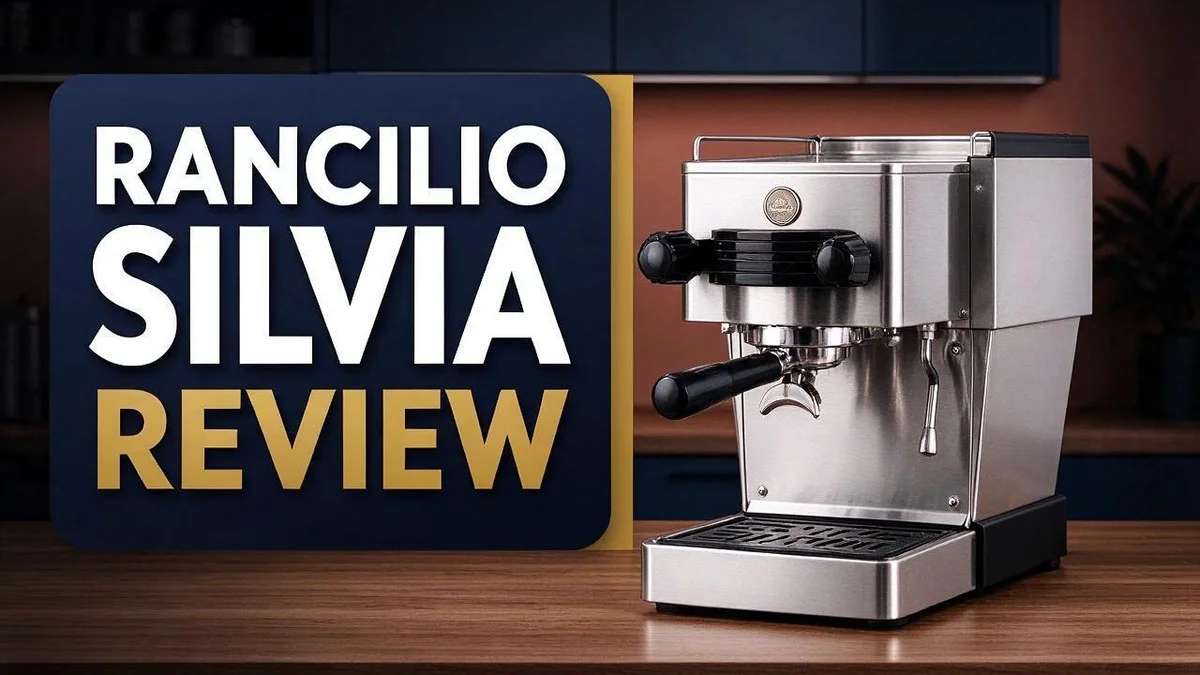
Rancilio Silvia Review: Is It Worth Your Money?
If you love great espresso at home, the Rancilio Silvia may already be on your radar. It is a classic machine that many home baristas trust. Its iconic design and solid build make it a favorite for years.
Is it the right machine for your kitchen? In this review, we look at what the Silvia does well and where it falls short.
The Silvia uses a 58mm chrome plated brass group head and a 300ml insulated boiler. Many reviewers praise its steam power and quick recovery.
Still, the base model has a single boiler and no PID control. Some older versions faced criticism for temperature accuracy.
Let us see how it compares with rivals like the Gaggia Classic Pro.
In a Nutshell
-
Strong steam power: The Silvia produces plenty of steam for milk drinks. It also recovers quickly, so you can steam milk soon after pulling a shot. Many latte lovers appreciate this speed.
-
Built to last: The solid brass parts feel sturdy in your hands. Many owners expect this machine to serve them for years with simple care.
-
Classic look: The Silvia has an iconic design that stands out on any counter. It suits kitchens with a vintage or modern style.
-
Helpful accessories: The machine comes with useful tools for beginners. You can start pulling shots right away without buying extras.
-
A path to upgrades: The Silvia Pro adds a dual boiler setup. This lets you brew and steam at the same time, which saves a lot of waiting.
-
A learning curve: New users need practice to dial in their grind and dose. Once you find the sweet spot, the shots taste rich and smooth.
Build Quality and Materials

- Classic Espresso: The Silvia has been in production for over 20 years-- making it one of the most stable...
- Single Boiler: The single 12-ounce brass boiler serves both brew and steam temperatures.
Last update on 2026-11-27 / Affiliate links / Images from Amazon Product Advertising API
When you use the Rancilio Silvia, the frame feels steady from the first shot. It stays put on the counter while you tamp your grounds and lock in the portafilter. This stability makes daily brewing less stressful.
Reviewers often rank the Silvia above the Gaggia Classic Pro for overall build quality. Both machines share a similar footprint on the counter, so the comparison feels fair.
The portafilter deserves a closer look. Its ergonomic handle sits comfortably in your palm, and it locks in firmly with each use.
Small touches also add up. Adjustable feet let you level the machine on an uneven counter, so water flows more evenly through the coffee puck.
The removable 2L water tank shows smart design too. You can fill it at the sink and slide it back in without spilling water across the counter.
Not every version shares the same strengths. Older E v6 units drew criticism for weaker build quality. Always check which version a seller offers before you buy.
Inspect the machine carefully when it arrives. Look at the drip tray, the steam wand joints, and any loose panels. Small issues often show up within the first few weeks.
Materials also play a role in brewing. Brass holds heat well, which supports steady temperatures once the boiler warms up. Good heat retention helps your shots taste more consistent.
Care keeps the build going strong. Regular cleaning, backflushing, and descaling protect the internal parts. Owners who maintain the machine often enjoy it for years.
The overall feel suits regular home use. The Silvia handles several shots a day without feeling fragile, which makes it a dependable partner for busy mornings. Good materials pay off over time.
Temperature Control and Brewing
Temperature control shapes the taste of every shot. The Silvia rewards users who take time to learn its habits.
The PID version gives you direct control over brew temperature. You can also set steam temperature and preinfusion. These settings help you tune flavor with real precision.
Every kitchen behaves differently. Room temperature, water source, and cup size all change the final result. Keep a simple log of your settings so you can repeat your best shots.
Brewing with the Silvia takes a little patience. Let the machine heat up for about fifteen to twenty minutes before you pull a shot. This gives the group head time to settle at a steady temperature.
Preinfusion adds a gentle soak before full pressure reaches the puck. Many home baristas find this step evens out extraction and gives a smoother cup. It can also soften the effect of uneven puck prep.
Dose and grind matter just as much. Start with a dose that fills the basket well. Then adjust the grind until the shot pulls in roughly 25 to 30 seconds. Small changes make a big difference in taste.
Warm your portafilter and cups before every brew. Cold metal pulls heat from the espresso and can dull the flavor. A quick rinse with hot water keeps the temperature steady from start to finish.
Taste gives you the final clue. A sour shot often means the water ran too cool or the grind sits too coarse.
A bitter shot may point to overextraction. Try a slightly coarser grind or a lower brew temperature when your model allows.
With practice, the Silvia becomes a reliable partner in your morning routine. Keep notes, change one variable at a time, and enjoy the process of dialing in each bag of beans. Your palate improves quickly with regular use.
Steam Power and Milk Frothing
Milk texture starts with the steam wand. Good steam turns cold milk into silky foam. The Silvia can do this well once you learn its habits.
Always run a short purge before you steam. This clears cold water from the wand and sends hot steam straight into your pitcher.
Brewing and steaming share one boiler. You cannot pull a shot and steam milk at the same time. Plan your drink order first. Pull the espresso, then switch to steam.
Start with cold whole milk in a steel pitcher. Fill it about one third full so the milk has room to swirl. Cold milk gives you more time to stretch it.
Place the tip just below the surface. Listen for a gentle hissing sound. That sound means the milk is stretching and taking in air.
Once the pitcher feels mildly warm, sink the wand a little deeper. The milk should spin in a steady whirlpool. This swirl breaks up large bubbles and creates glossy microfoam.
Stop when the pitcher reaches about 60 to 65 degrees Celsius. The side should feel hot but not painful to touch. Milk that gets too hot tastes flat and scorched.
Clean the wand after every use. Dried milk clogs the tip and weakens the steam. Wipe it with a damp cloth right away. Then purge once more to clear the holes.
Recovery matters when you make several drinks in a row. The boiler rebuilds steam pressure fairly quickly, so a second pitcher does not require a long wait.
Different milks behave in different ways. Oat milk foams well but can separate if it gets too hot. Almond milk needs a gentle touch and less stretching.
Your first attempts may bubble too much or look flat. Small changes in wand depth usually fix these problems. Keep practicing, because each pitcher teaches you something new.
Top 3 Alternatives
Looking for a new espresso machine? These three options make great coffee at home. Each one suits a different style of brewing.
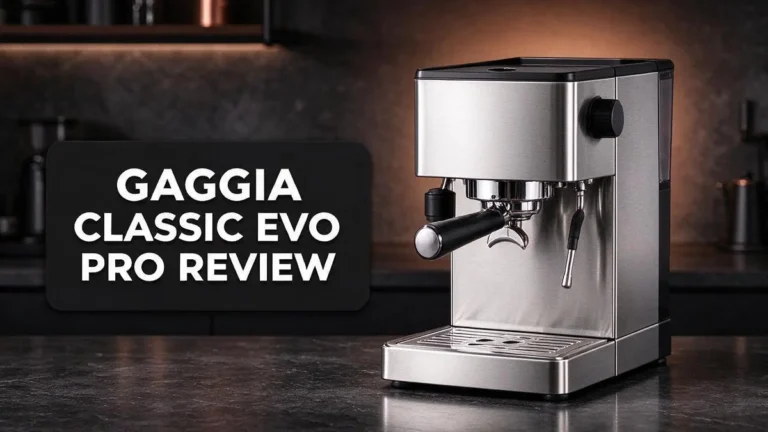
Gaggia Classic Pro

- Solid Steel Housing, Made in Italy
- 9 Bar Espresso Extractions

Last update on 2026-11-27 / Affiliate links / Images from Amazon Product Advertising API
Gaggia Classic Pro is a favorite for home baristas who enjoy hands on control. It has a solid metal body and a commercial style portafilter.
Many owners say it pulls rich shots once they learn the grind and tamp routine. It takes some practice, but the results feel very rewarding.
Breville Bambino Plus

- Every great cup of coffee starts with the grind: Upgrade your coffee experience with freshly-roasted...
- ThermoJet heating system: Innovative ThermoJet heating system achieves the optimum extraction temperature...
Last update on 2026-11-27 / Affiliate links / Images from Amazon Product Advertising API
Breville Bambino Plus suits people who want fast heating and less mess. It heats up quickly, so you can brew soon after switching it on.
It includes automatic milk texturing, which helps beginners create smooth foam with less effort. Its compact frame fits well on small counters.
Breville Barista Express

- MANUAL HAND-TEXTURED MICROFOAM: The powerful steam wand on this cappuccino maker and latte machine is...
- PRECISE DOSE GRINDING: Integrated precision conical burr grinder on bean-to-cup espresso machine grinds...
Last update on 2026-11-27 / Affiliate links / Images from Amazon Product Advertising API
Breville Barista Express combines a built in grinder with espresso brewing. You grind beans right before each shot, which keeps the flavor fresh.
The grind size dial and dose control make adjusting your cup simple. It is a great pick if you want a complete setup in one machine.
Choose the Gaggia Classic Pro for hands on learning, the Bambino Plus for speed, or the Barista Express for an all in one routine. Each option brings café style drinks to your kitchen.
Ease of Use and Cleaning
The Silvia keeps daily use simple. Its controls sit in clear places, so you find each one quickly.
The power switch and timer make mornings easier. You can set a timer, so the machine heats up before you walk into the kitchen.
Automatic shutoff adds another layer of comfort. It shuts the machine down after a set period. This feature helps you avoid leaving it on by accident.
The adjustable feet add flexibility too. You can use them to make room for tall travel mugs or small demitasse cups.
Cleaning feels like a short daily habit. Most of the work happens at the end of each session. A quick rinse of the group head and a wipe of the front area take only a few minutes.
The drip tray sits at the front. Empty it often, since water and grounds collect there. A tidy tray keeps the counter fresh and prevents odors.
Learning the routine takes some practice. Your first few weeks bring small lessons. You will find a rhythm of rinsing, purging, and wiping after each drink.
Many owners say the routine feels natural after a short time. A simple checklist near the machine can help. Put the steps in order, and the work becomes second nature.
Check the group gasket every few weeks. Look for cracks or flattening, and replace it when it wears down.
The indicator lights show when the boiler is ready. Watching them removes the guesswork from your timing.
It sits nicely on a small counter. Its compact frame leaves room for a grinder beside it.
Good habits also protect the machine. A dry portafilter and a clean basket help the seals last longer. Small steps now save time later. Your cups and counter stay tidy with this rhythm.
Overall, the Silvia rewards a little care. Simple habits keep daily use smooth and the counter clean.
Models and Upgrade Options
The Rancilio Silvia comes in a few versions, and each one suits a different home barista. Knowing the differences helps you choose well from the start.
The base model skips PID control. Reviewers say its temperature can feel less precise. Many owners still accept that trade off for solid build quality and a classic look.
The PID version gives you more control. You can set brew temperature and steam temperature separately. This lets you adjust flavor with confidence as your taste develops.
The Silvia Pro takes a different path. It uses dual boilers, and each boiler has its own PID. This setup suits people who host guests or want to brew and steam with less waiting.
Upgrading makes the most sense when your habits change. Many people start with a simple machine and grow into better features over time. A new home barista may enjoy the base model first, then move up when skills and expectations rise.
Watch out for older E V6 units. Reviews describe inaccurate temperature and a weaker build in these machines. Inspect any used model closely before you commit.
Think about your counter space and daily habits too. A single boiler setup works well for one or two drinks at a time. A dual boiler setup fits busy households with more frequent guests.
Start with the version that matches your goals. Simple brewing needs little more than the base model. Precise flavor chasing points toward the PID version, and frequent milk drinks point toward the Pro.
Other machines offer different upgrade routes. The Gaggia Classic Pro and Breville Infuser sit in similar territory. Flair offers a manual approach, while Spinn earned a Serious Eats pick.
Users often rank Silvia steam power above many Sage and Breville models. That strength can matter more than any single extra feature. Choose the version that fits your routine, and you will enjoy it for years.
Pros and Cons
Pros
- Build quality rates above the Gaggia Classic Pro.
- Steam power stays strong for milk drinks.
- Steaming and temperature stability earn good marks from users.
- The iconic look fits well in a kitchen.
- Good accessories come in the box.
Cons
- Brewing and steaming take turns on one boiler.
- There is no pressure gauge to check shots.
- Beginners may need time to read the shot without gauge feedback.
Who Should Buy It
This machine suits people who enjoy learning the craft. Every shot gives you a chance to adjust grind size, dose, and timing. Many buyers find that process fun rather than frustrating.
Milk drink fans often find a happy routine here. If you drink lattes or flat whites most mornings, the workflow feels natural. You switch between espresso and milk with a short wait, and most people accept that easily.
Tinkerers who enjoy small improvements will feel at home. Each adjustment changes the cup a little. Careful notes help you repeat your favorite shot again and again.
Coffee lovers with a good grinder get the best results. This machine needs fresh beans and a consistent grind. Coffee already ground in a bag rarely shows its best side here.
Shoppers who want a fully automatic machine should look elsewhere. The Silvia asks for your attention at every step. People who want push button ease may prefer the Breville Infuser instead.
Fans of manual brewing might enjoy the Flair instead. Manual tools offer a different kind of fun with fewer parts to maintain.
Shoppers who want a close rival should compare the Gaggia Classic Pro. Many shoppers weigh these two side by side before they decide.
Households with a busy kitchen need a plan. Morning rushes can strain any machine. Set a routine that fits the family and stick to it. A calm routine keeps stress low.
People who drink only black coffee may not need this machine. A simpler brewer can deliver good cups with less effort. Compare your habits before you spend time learning a new craft.
Cooks who like café style drinks at home will find joy here. The machine turns a regular kitchen counter into a small coffee bar. Guests often ask for a drink after seeing the setup. Hosting friends becomes a fun ritual.
Think about your daily routine before you commit. Ask how much time you have each morning. Then decide if this machine fits your life.
Final Verdict
The Rancilio Silvia makes a strong case for home baristas. It rewards people who want to learn. It also asks for patience and regular care.
Pick your version first. Choose the PID model if you want steady control over brew and steam temperature. Skip older E V6 units with mixed reviews.
Water quality matters more than many people expect. Hard water can build scale inside the boiler over time. A simple filter and regular descaling protect the machine and keep your flavor clean.
Plan a small cleaning routine each week. Wipe the steam wand after every use. Backflush the group head with a cleaning tablet every few weeks. These habits take only minutes, but they protect the machine for years.
Progress comes slowly, but it feels good. Many owners spend a few weeks dialing in their first bag of beans. After that, small wins start to add up. Each good cup builds real confidence.
Expect a learning curve in the first month. Early shots may taste sour or bitter. Keep simple notes on grind, dose, and timing. Patterns appear quickly once you write them down.
Keep your expectations realistic. The Silvia will not match a commercial café in speed or consistency. It can still produce café style drinks at home. That gap is part of what makes it fun.
Choose the Silvia if you want a daily ritual. Some people want a machine that does everything for them. This one keeps you involved at every step. For many fans, that involvement is the whole point.
Final takeaway: The Silvia suits learners, milk drink lovers, and tinkerers who enjoy the process. It works less well for anyone who wants simple, one touch convenience. Review the version details closely, then decide with confidence.
Frequently Asked Questions
Is the Rancilio Silvia a good first espresso machine?
It can be. Beginners who enjoy learning will find plenty to explore. Expect to spend time on each step, and the process rewards patience.
How does the Silvia compare with Breville machines for milk?
Many users rate the Silvia’s steam power higher than Breville models. If you make cappuccinos or lattes often, the Silvia gives you more to work with.
What does the Silvia Pro add over the base model?
The Silvia Pro uses a dual boiler with separate PID control for brewing and steaming. This setup lets you brew and steam at the same time, which saves time during busy mornings.
Does the Silvia need a warm up before brewing?
Yes, give the machine time to heat up before you pull your first shot. Running a small flush of water first can help the group head settle. Your first cup will taste better when the machine is fully ready.
Can the Silvia fit a small kitchen?
It takes up a modest footprint for a machine with this much build quality. Place it near a power outlet and leave some room for the drip tray and grinder. Good planning keeps your counter tidy and your workflow smooth.

Hi, I’m Luna! I’m the voice behind CoffeePickster.com. I’m a coffee obsessive who’s spent way too many hours (and dollars) testing coffee makers so you don’t have to. I created this blog to help fellow coffee lovers find the right gear without the guesswork. Let’s brew something great together!