Baratza Encore ESP Review: Is This Budget Burr Grinder Good for Espresso?
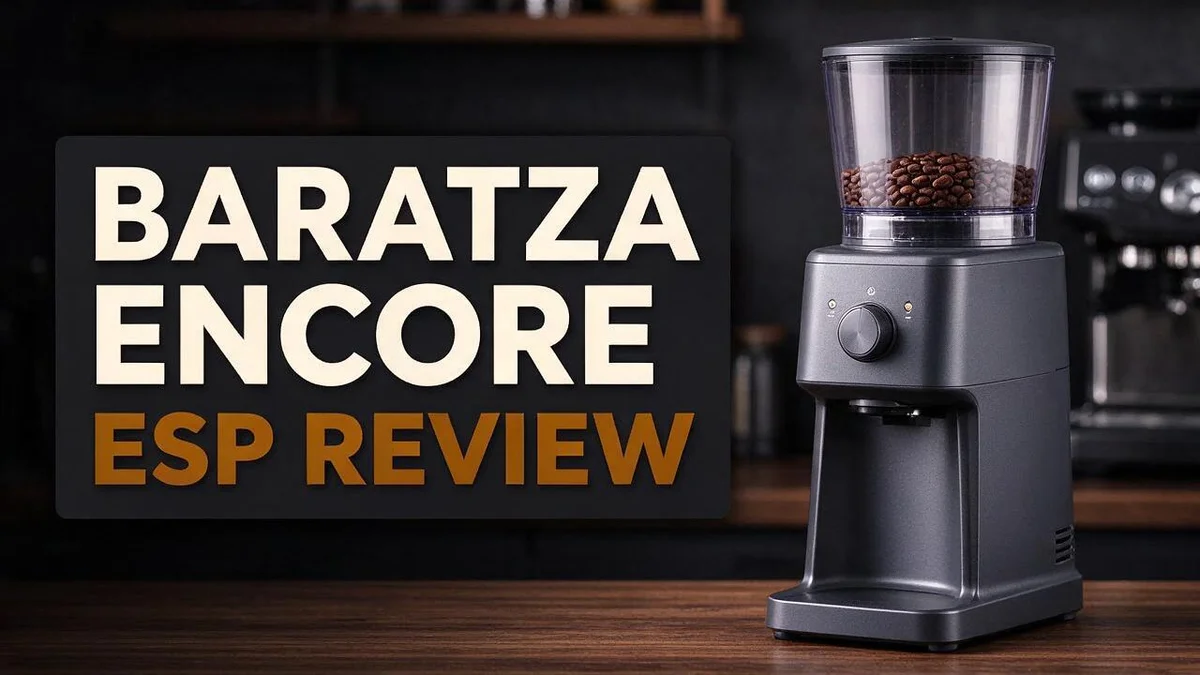
Ever wondered why your morning coffee tastes flat? Often the grinder is the culprit. The Baratza Encore ESP could change that for you.
This grinder offers 40 stepped grind settings with conical steel burrs. It also includes an antistatic dosing cup, so grounds stay clean and easy to collect. Many home brewers enjoy how it handles everything from light roasts to dark roasts.
Its finer steps in the espresso zone make a real difference. You get more consistent grounds than the original Encore. That consistency helps your brew taste balanced and sweet.
In this review, we explore how the Encore ESP performs in daily use. We also compare it with rivals like the Fellow Opus. By the end, you will know if this grinder fits your kitchen.
In a Nutshell
-
More even grind: The ESP produces a more consistent grind than the original Encore. Even particles lead to cleaner, sweeter cups. Many home brewers notice the difference right away.
-
Roast levels are no problem: This grinder performs well across light, medium, and dark roasts. You can switch beans without much fuss. Each roast keeps its own character.
-
Slow brews shine: Pour over, drip, and press methods suit this grinder very well. Clear, balanced flavors come through in every cup. Patient brewers will enjoy the results.
-
A real espresso upgrade: Compared with the first model, the ESP handles shots with more control. Home espresso fans will feel the change in their daily routine. It makes dialing in a shot easier.
-
Simple tuning and less mess: The grind setting is easy to adjust when beans change. The dosing cup resists static, so grounds stay put on your counter. Cleanup takes less time.
-
Rivals worth a look: Fellow Opus is a strong option for espresso lovers. Baratza K2 and K6 fit other brewing needs. Compare each model before you decide.
Build Quality and Burr Design

- SPECIALTY COFFEE ASSOCIATION AWARD-WINNING GRINDERS - Baratza grinders are preferred by coffee...
- DUAL-RANGE ADJUSTMENT SYSTEM - This innovative multi-purpose adjustment mechanism features micro-steps...
Last update on 2026-11-25 / Affiliate links / Images from Amazon Product Advertising API
The burrs do most of the work inside any grinder. They decide how evenly your beans break apart.
The Encore ESP uses conical steel burrs. Beans drop between a cone and a ring, then get cut as they pass through.
Burr shape changes the taste of your cup. Uniform grounds extract evenly. Mixed sizes can make one sip sour and the next sip bitter.
The M2 burr set helps keep particles in a tight range. You get fewer fines and fewer large chunks.
Steel handles years of normal home use with ease. It resists wear better than many softer materials.
The body feels solid on the counter. Parts stay in place while the motor runs.
The anti-static dosing cup deserves a mention too. It keeps fine grounds from clinging to the sides. Less mess means less waste.
Regular cleaning protects your results. Old oils build up on burr surfaces. Brush the burrs often, and new coffee will taste clean.
Grinding creates some heat. Too much heat can flatten flavor, so steady burrs help keep things balanced.
Burr wear happens slowly over time. Check the burrs now and then for dull edges or uneven grounds.
Ask yourself a few questions about your routine. How often do you grind? How many cups do you brew each day? Your answers shape how much care the burrs need.
Dust and stray grounds can gather around the burr chamber. Gentle brushing keeps the grind path open.
A stable grinder also means fewer surprises. Settings stay where you left them from one brew to the next.
Think of the burrs as the part worth caring for. Good build and sharp burrs give you a strong base for every cup.
Grind Range and Espresso Settings
The grind range on this machine covers a wide span. Coarse settings work for French press and cold brew. Finer settings move into espresso territory without much fuss.
Espresso lovers should pay close attention to the middle of the dial. Small turns can change a shot from sour to bitter. Think of each step as a gentle nudge rather than a big jump.
A good starting point helps a lot. Many home baristas begin near the middle of the espresso zone. Then they adjust one step at a time until the shot looks right.
Watch your shot time while you dial in. A shot that runs too fast often tastes thin and sharp. A shot that drips slowly may taste heavy and dull. Aim for a steady flow that lands in a comfortable window for your beans.
Keep a simple log of your settings. Write down the grind number, the dose, and the shot time. This habit saves time when you switch beans or roast dates.
Fresh beans often need a different setting than older beans. Light roasts tend to be denser and may need a finer grind to extract well. Dark roasts often grind more easily and may need a slightly coarser setting.
Single dosing also helps. Grind only the amount you need for each brew. This keeps flavor bright and reduces waste in the chute.
Taste matters more than numbers. A grind number is only a starting clue. Your cup gives the final answer, so trust what you taste.
Expect some trial and error. Every bean and every kitchen is different. Patience pays off, and the results often taste worth the wait.
Many home baristas enjoy this part most. Each small change teaches something new about the beans.
Try a short test batch before a big brew session. Adjust in small steps and taste each cup. Your palate will guide you to the sweet spot.
Grind Consistency and Dosing
Dose weight matters just as much as the grind. Many home baristas scoop beans by eye, but that method changes from day to day. A digital scale keeps your dose steady.
Weigh your beans before each grind. Steady doses lead to steadier flavor in every cup. Think of dosing as the foundation. A stable dose makes every adjustment on the dial easier to judge.
Retention is the hidden variable. Some ground coffee always stays inside the chute and burrs. Old grounds can mix into your next batch and change the taste.
Purging the grinder helps a lot. Run a small amount of beans through first. This clears leftover grounds from the last session.
Grind only what you need for each session. Coffee loses aroma after grinding, so smaller batches keep flavor fresh.
Static can ruin consistency. Dry air makes grounds cling to the cup and scatter across the counter. Tapping the chute gently can help.
Repeatability tells you more than one perfect shot. Pull three shots with the same setting. Compare the grind feel and shot time each time.
Notice how the grounds look. Fine powder with clumps often means uneven extraction. A clean, even texture suggests a steady grind.
Dose too much and the basket overflows. Dose too little and the puck feels thin. Aim for the same amount every session so you can compare results clearly.
Grind size and dose work together. A slightly larger dose may need a slightly coarser setting to keep the flow steady.
Record your dose and output too. Weigh the liquid espresso that drips into the cup. A ratio like 1 to 2 gives you a clear target.
Small changes add up over time. Adjust one thing at a time, such as the dose or the setting. This keeps your results easy to read.
Consistent dosing makes your morning cup taste predictable. That reliability is what most people want from their grinder.
Top 3 Alternatives
If you want a grinder that delivers fresh, even grounds, these three options are worth a close look. Each one suits a slightly different home brewer.
Breville Smart Grinder Pro

- Includes 60 unique settings; This programmable conical burr grinder offers a wide range of possibilities...
- DOSING IQ FOR PRECISE RESULTS: Precision digital time allows you to adjust and program grind time in...

Last update on 2026-11-25 / Affiliate links / Images from Amazon Product Advertising API
This grinder suits beginners well. It offers many grind settings and a simple timer. You can set the dose by time, so each shot stays consistent.
Capresso Infinity

- PRECISION GRINDING: Commercial-grade, solid steel conical burrs with advanced cutting design
- WIDE GRINDING RANGE: From ultrafine Turkish to French Press coarse and everything in between
Last update on 2026-11-25 / Affiliate links / Images from Amazon Product Advertising API
This model keeps things simple. It uses a clear dial with several grind settings. Its conical burrs grind evenly, which helps with drip coffee and French press.
Eureka Mignon Specialita

- Silenced Grind - A sound-insulated case helps keep the Specialita quieter than most.
- Touchscreen Controls - Adjust your grind time for single, double and continuous modes with a backlit...
Last update on 2026-11-25 / Affiliate links / Images from Amazon Product Advertising API
This grinder rewards careful users. It has flat burrs that deliver sharp, precise particles. Fine adjustments let you dial in espresso with great control.
Quick Comparison
Choose the Breville Smart Grinder Pro if you want timed dosing and many settings. Pick the Capresso Infinity if you prefer an easy, straightforward grinder. Go with the Eureka Mignon Specialita if you enjoy fine-tuning your espresso shots.
Brew Method and Roast Versatility
The Baratza Encore ESP handles many brew methods with ease. Most home coffee drinkers use a few favorite methods. This grinder lets you switch between them without a fuss.
Slow brew methods are where this grinder shines. Pour over, drip, and French press all benefit from a clean, even grind. The research shows it fits these methods well.
Each method needs a different grind size. A French press wants coarse grounds that steep for several minutes. A drip machine needs a medium setting. Pour over often works best with a slightly finer grind.
Start with the middle of the dial and adjust from there. Brew a cup, taste it, then move one step at a time. Small changes make a big difference in the cup.
Roast level matters just as much as the method. Light roasts are dense and need a finer grind to extract fully. Dark roasts are more brittle and extract faster, so they often taste best with a slightly coarser setting.
The Encore ESP performs well across roast levels. You do not need a separate grinder for each bag. You can brew a light roast one morning and a dark blend the next.
Light roasts reward patience. Their bright fruit notes show up best with careful dialing. Change one small thing at a time and note which setting tastes clearest.
Dark roasts can taste heavy if the grind is too fine. Pulling back a step or two often balances the cup. Body and sweetness come through more clearly.
Keep your coffee to water ratio steady while you test. That way, you know which change caused the result. Your routine shapes which method you use most.
If you enjoy a quick morning drip, this grinder covers that. If you like a slow weekend pour over, it covers that too.
Ease of Cleaning and Maintenance
Clean grinding keeps every cup tasting fresh. Old grounds can trap oils and smell stale over time. A simple routine keeps the Baratza Encore ESP ready for daily brewing.
Start with the outside. Wipe the body with a dry or lightly damp cloth. Coffee dust often collects around the dial and the hopper lid. Clean these spots each week so the grinder looks neat and tidy.
Brush out the grounds after each session. Grounds hide in the grind chamber and the chute. A small brush clears them out in seconds. Leftover fines can mix with fresh coffee and dull the flavor.
Tap the bean hopper over the sink to remove loose dust. Then wipe the inside rim with a dry cloth. This quick step keeps old oils from spreading into new batches.
Never use water on the burrs. Moisture can clump grounds and cause rust on steel parts. Keep liquids away from the motor base as well. Dry tools work best for this job.
Check the burrs every few months. Look for oily residue or stuck grounds. Remove them only when the manual explains the steps. Gentle care keeps the grind steady for years.
Build a simple cleaning schedule. Brush after each use. Wipe the outside every week. Do a deeper clean once a month. A regular habit saves time and protects your flavor.
Heavy users may need more frequent care. A household that brews several cups daily should clean more often. Light users can stretch the schedule a little.
Many owners skip cleaning until the taste starts to drop. Pick a set day each week to act early. Small habits add up fast.
Watch for signs that the grinder needs attention. A slower motor or uneven grounds often point to buildup. Clean the chamber before you assume a bigger problem.
The Encore ESP keeps upkeep simple for most home kitchens. Its layout gives you clear access to the main parts. You can finish a full cleaning in just a few minutes.
Pros and Cons
Pros
- Gives a more consistent grind than the original Encore.
- Works well with light, medium, and dark roasts.
- Improves espresso results with fine 20 micron steps in the espresso zone.
- Suits slow brew methods like pour over, drip, and press.
- Clear steps make it easy to test one change at a time.
Cons
- New users may need several tries to find the right espresso setting.
- Espresso shots may not match the results of a dedicated espresso grinder.
- Our research did not include long term owner reports.
- Results can vary based on your beans, water, and brewing habits.
Who Should Buy It
The Baratza Encore ESP suits home coffee drinkers who want one grinder for many brew methods. It fits people who enjoy pour over, drip, and French press. These slow brew methods show off its consistent grind.
If you want to try espresso at home, this grinder is a strong choice. Its fine 20 micron steps in the espresso zone give you precise control. Beginners can learn a lot from it.
Coffee drinkers who switch between roast levels will also benefit. Light roasts reward careful dialing, while dark roasts taste better with a slightly coarser grind. This grinder handles both with ease.
Patient learners tend to enjoy this grinder the most. New users may need several tries to find the right espresso setting. The clear steps make it simple to change one thing at a time.
Heavy espresso drinkers may want something different. A dedicated espresso grinder can deliver results this model may not match. Daily shots often call for that extra precision.
This grinder also suits people who like to test and taste. You can brew a cup, adjust one step, and compare the flavor. That habit turns every bag of beans into a small experiment.
Home brewers who like a simple routine will appreciate it too. Grinding takes little effort once you find your settings. Write down your favorite steps so you can return to them quickly.
Shoppers who compare options may also look at the Fellow Opus, another espresso capable grinder. Each choice offers different strengths, so think about your main brew style first.
Who should skip it? People who want a grinder only for espresso may look elsewhere. Those who expect perfect shots on day one may feel frustrated at first. Results also depend on your beans, water, and brewing habits.
Final Verdict
The short answer is simple. For most home drinkers, the Baratza Encore ESP is a smart pick. It handles a wide range of brew styles without much fuss.
Think of it as a steady tool that grows with your skills. You can start with drip or press coffee. Later, you can move into espresso when you feel ready.
The main strength is flexibility. One machine covers many routines in your kitchen. You do not need a second grinder for each brew method.
The grinder also rewards careful testing. Small changes show up in the cup, so you learn faster. Write down each setting so you can repeat your best results.
Set your expectations clearly. This grinder is a strong home option, but it is not a professional tool. Busy cafés and heavy espresso bars will need more speed and capacity.
Think about your daily habits before you buy. If you brew a few cups a day, this model fits well. If you serve a crowd every morning, look at a larger machine.
Consider your favorite beans too. If light roasts dominate your cupboard, the Baratza K6 deserves a close look. It was built with those beans in mind.
Plan a short trial period. Brew the same beans for a week. Track grind size, dose, and taste notes. This simple routine shows whether the grinder meets your needs.
Check the warranty and support details before you order. Good support gives peace of mind if something goes wrong. A clear return policy also helps you buy with confidence.
Your daily coffee deserves a grinder you enjoy using. The Encore ESP makes each morning feel calm and simple. Small daily wins add up over time.
The final call comes down to you. The Encore ESP offers strong results, steady control, and room to grow. For many home coffee lovers, it earns a permanent spot on the counter.
Frequently Asked Questions
What kind of burrs does the Encore ESP use?
The grinder uses conical steel burrs and M2 burrs. Conical burrs crush beans between a cone and a ring. This design helps create a steady grind from cup to cup.
What does the anti-static dosing cup do?
The anti-static dosing cup helps reduce clinging grounds. Fine grounds often stick to plastic, which leads to mess. A cup that holds less static makes cleanup easier on your counter.
Is the Encore ESP better than the original Encore?
Yes, the research shows clear gains. The grind is more consistent than the original model. It also improves espresso results, so the upgrade matters most if you want to pull shots at home.
How can I return to my favorite grind setting?
The built-in grind adjustment lets you change size quickly. Write down your favorite setting after each good brew. Then you can return to it on busy mornings without guessing.

Hi, I’m Luna! I’m the voice behind CoffeePickster.com. I’m a coffee obsessive who’s spent way too many hours (and dollars) testing coffee makers so you don’t have to. I created this blog to help fellow coffee lovers find the right gear without the guesswork. Let’s brew something great together!