Philips 3200 LatteGo Review: Is This Fully Automatic Espresso Machine Worth Buying?
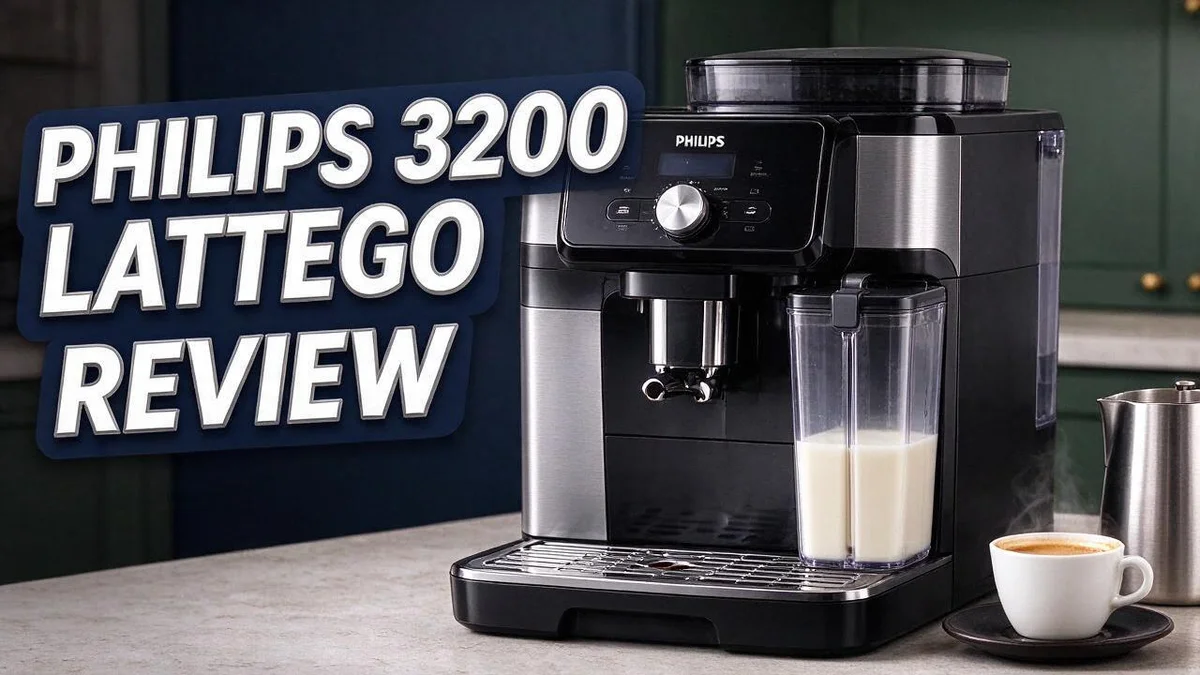
Do you love a creamy cappuccino at home? The Philips 3200 LatteGo might be the coffee partner you need. It is a fully automatic espresso machine that makes café style drinks with very little effort.
Mornings get easier with one touch. The machine offers five coffee varieties and an Intuitive Touch display. Its 100% ceramic grinder helps bring out rich flavor in every cup.
The LatteGo milk frother does the hard work for you. It creates silky froth for cappuccino and latte macchiato. It even works with plant milk alternatives.
Cleaning is another big draw. The brand says the milk system is easy to clean, and the AquaClean filter keeps your water fresh. Still, no independent review has tested it yet, so keep reading to see what this machine really offers.
In a Nutshell
-
Model at a glance: The Philips 3200 Series fully automatic espresso machine carries the model number EP3221/44. Searching that code helps shoppers find matching specs, accessories, and support pages quickly.
-
Ceramic grinding: A 100% ceramic grinder crushes beans for every cup you brew at home. This setup means you grind right before each drink, with no extra steps.
-
Water care: The AquaClean filter helps manage the water that flows through the machine. Good water care can support better taste and smoother daily use over time.
-
Plant based milk: The LatteGo frother also handles plant based milk alternatives. Oat, soy, and other dairy free options can still get a silky, creamy top for your coffee.
-
Rival options: The De’Longhi Magnifica S offers finer grind adjustment and a wider dose range. Reddit users also suggest De’Longhi D40 series models, so compare features before you choose.
-
Research gap: No independent review or reliability data exists yet. Buyers should read owner feedback about durability before making a decision.
Coffee Quality and Ceramic Grinder

- 5 AROMATIC COFFEES: Enjoy your favorite coffees for special moments. Whether you crave an espresso...
- INTUITIVE TOUCH DISPLAY: The irresistible taste and aroma of coffee from fresh beans is just one touch...
Last update on 2026-11-26 / Affiliate links / Images from Amazon Product Advertising API
Good coffee starts with the grind. The grinder decides how fine each bean gets, and that choice shapes flavor in every cup.
Ceramic burrs work differently from blade grinders. Blades chop beans unevenly, while burrs crush them into more even pieces.
Even grounds matter because they extract at a steady rate. Uneven grounds can taste sour and bitter at the same time.
Ceramic burrs also tend to run cooler than metal ones. Less heat means the beans keep more of their natural aroma during grinding.
Fresh beans make the biggest difference here. Grinding right before brewing keeps oils and aromas locked in the grounds.
Whole beans give you the most control over taste. Ground coffee loses flavor quickly, so buy small bags and store them in an airtight container.
Many home users find medium roasts easy to dial in. They balance sweetness and body well.
Dark roasts can taste smoky, while light roasts may need a finer setting to taste full.
A good grind also helps create crema on top of the shot. Crema adds a rich look and a smooth finish to espresso drinks.
Coarse and fine grounds need different care. Fine grounds pack tightly, so they flow slower through the filter basket.
Grind settings need some patience. Start in the middle of the range, brew a shot, and adjust one step at a time until the flow looks right.
Tip: Watch the shot timing. A fast shot often means the grind is too coarse, and a slow shot often means it is too fine.
Oily beans can leave residue inside the grinder. Wipe the area often to keep flavors clean.
Owners who track their grind settings can save time. Clean the grinder regularly too, so old grounds do not change the taste.
A simple routine makes a big difference. Taste each new bag, note the setting, and keep a short log for future brews.
LatteGo Milk Frothing Performance
Milk texture often decides whether a home coffee feels special. The LatteGo system aims to make that step simple for everyday drinks.
Vendor claims say the frother creates silky foam with very little effort. Independent tests are still missing, so real world results stay unclear.
Your milk choice shapes the final foam more than most people expect. Whole milk usually makes thick, velvety foam with a rich taste.
Lower fat milk tends to produce lighter foam with bigger bubbles. Many people like this style for a soft, airy top.
Tip: Keep your milk cold until you pour it. Fresh milk from the fridge gives the frother a better starting point.
Foam quality also depends on how fresh your milk is. Older milk often struggles to build a stable foam, so check the date before you froth.
Cappuccino and latte macchiato need different foam styles. A cappuccino works best with a thick, dense cap that sits on the espresso.
A latte macchiato needs a softer layer that floats on top. Pour slowly so the milk and espresso form clear layers.
Temperature matters just as much as texture. Milk that runs too hot can taste flat and lose its natural sweetness.
Watch the fill level on the jug. Overfilling leads to spills and uneven foam, so stay below the marked line.
Plant based milks can behave differently from dairy. Oat and soy blends vary by brand, so test one carton before you commit to a favorite.
Rinse the milk parts right after each use. Dried milk is harder to remove later, and a quick rinse keeps the frother fresh.
Practice helps too. Your first few drinks may vary, but small changes in fill level and timing quickly improve the results.
Bottom line: A few test drinks with your favorite milk will show whether this frother suits your taste and daily routine.
Intuitive Touch Display and Daily Use
The Philips 3200 LatteGo runs on an Intuitive Touch display. You select a drink on the screen, and the machine handles the rest. This setup suits people who want a simple routine.
The vendor describes the display as easy to use. Independent testers have not yet confirmed this claim, so treat it as a starting point.
The five coffee varieties appear as clear choices on screen. You can switch between styles without learning new steps.
Daily use feels quick. Most mornings need only a few taps. You choose a drink, wait for the cup, and start your day.
Start each day with a quick check. Make sure the water tank is full and the bean hopper has beans. A short check saves time later.
Keep your mug in the right spot before you press start. Good placement helps the drink land in the cup. Many users forget this step at first.
Busy households gain the most from this approach. Family members can pick their own drinks without asking for help. Less guesswork means less time standing at the counter.
Clear labels also help newcomers. Guests can see the choices and pick a drink on their own. Fewer mistakes happen when the screen guides each step.
Think of the display as a guide rather than a lesson. You learn the flow after a few cups. Patience helps more than any manual.
Overall, the touch display suits people who want fewer steps. Its simple layout helps new users feel confident from the first cup.
Top 3 Alternatives
If you like the Philips 3200 LatteGo but want other options, these three machines are worth a look. Each one brings something different to your kitchen counter.
De’Longhi Magnifica Evo

- #1 Worldwide Espresso Machine Maker*, *Independent Research Institute, Sales Leader, Full Year 2025
- 5 ONE-TOUCH RECIPES: 5 one-touch or customized coffee drinks: Espresso, Coffee, Americano, Iced Coffee...

Last update on 2026-11-26 / Affiliate links / Images from Amazon Product Advertising API
This machine suits people who want simple, one-touch drinks. It makes espresso, cappuccino, and latte with very little effort.
The built-in grinder keeps your beans fresh. It is a friendly pick for busy mornings.
Breville Barista Express

- MANUAL HAND-TEXTURED MICROFOAM: The powerful steam wand on this cappuccino maker and latte machine is...
- PRECISE DOSE GRINDING: Integrated precision conical burr grinder on bean-to-cup espresso machine grinds...
Last update on 2026-11-26 / Affiliate links / Images from Amazon Product Advertising API
This model suits coffee lovers who enjoy a hands-on process. It has a built-in grinder and a steam wand for silky microfoam.
You control the grind size, dose, and extraction. Expect a short learning curve, but the results can taste rich and bold.
Gaggia Anima

- Note: 1)Too coarse a grind, too little coffee, or insufficiently tamping the grounds before brewing can...
- MANUAL FROTHING FOR MILK-BASED DRINKS: Pannarello steam wand for frothing milk
Last update on 2026-11-26 / Affiliate links / Images from Amazon Product Advertising API
The Gaggia Anima works well for smaller kitchens. It offers several drink settings with a simple touch display.
It heats up quickly and makes good espresso for everyday use. If you want an easy machine with a compact footprint, this one stands out.
Choose the machine that fits your daily routine. Each option gives you café-style drinks at home.
Size, Capacity and Counter Footprint
Before you buy, measure your counter space first. A fully automatic machine needs more room than a simple drip maker. Leave a little extra space behind it for the cord and the vents.
Check the height too. Cabinets above the counter can block the top of the machine.
Make sure there is room for your mug under the spout. Tall glasses need extra clearance.
Think about daily access next. You will refill the water tank, empty the drip tray, and clear the waste container often.
Leave open space at the front and side. This lets you pull out each part with ease. Wet hands also need room to work.
Bean hopper and grounds matter too. Fill the bean container often in a busy home. Keep it within easy reach. Refill it before you start your morning brew.
Power outlets matter as well. A short cord can force you to move the machine each time you brew. Pick an outlet close to your chosen spot.
Heat and steam need air. Keep the machine away from walls and curtains. Give the back a small gap so warm air can escape.
Test the footprint before you shop. Use painter’s tape to mark the outline on your counter.
Then place a cup and a mug in that spot. This quick test shows whether the machine fits your morning routine.
Small kitchens need extra thought. A narrow counter can still work if the machine sits on one side. Clear a path so cupboard doors open freely. Measure twice before you buy.
Check official dimensions before you order. Research for this article did not list exact measurements or weight. Look for them on the manufacturer’s spec sheet and compare them with your own space. Then compare the numbers with your kitchen layout.
Cleaning, Descaling and AquaClean Filter Care
Regular cleaning keeps your coffee tasting fresh. Old coffee oils and milk residue can change the flavor of your next cup. A short routine after use prevents most problems.
Daily care is quick and simple. Empty the used grounds container when the machine asks for it. Wipe the drip tray and the outside surfaces with a soft damp cloth. Fresh water every day also helps. Empty any leftover water and refill the tank with cold tap water.
Weekly care takes a little more time. Remove the brew group if your manual shows how. Rinse it with clean water and let it dry fully before you put it back.
The milk system needs the most attention. Take the LatteGo parts apart after each milk drink. Rinse every piece under running water right away.
Tip: Clean the milk parts as soon as you finish. Dried milk is much harder to remove later. Fresh residue usually rinses away in seconds.
Descaling protects the inside of the machine. Hard water leaves limescale that can slow the machine and affect taste. Descaling removes these deposits. Use a descaling product approved for this model. Follow the steps shown on the display.
The AquaClean filter helps reduce limescale in the water. Insert the filter into the water tank before the first use. Replace it when the display shows a reminder. Rinse the tank before you refill it.
Filter care also affects how often you descale. A working filter can stretch the time between descaling sessions. Research for this article did not list exact intervals or filter lifespans, so check the official manual for timing.
The vendor describes the milk system as easy to clean. Independent tests are still missing, so real use results remain unclear. Read the manual before you put any part in a dishwasher.
Pros and Cons
Pros
- The LatteGo frother makes silky milk froth for cappuccino and latte macchiato.
- It works with plant milks too.
- The 100% ceramic grinder is built in.
- The milk parts are easy to clean, according to the vendor.
- Milk drinks need little hands-on effort.
Cons
- No independent reviews confirm how it performs.
- No reliability data is available yet.
- Grind adjustment is less fine than on the De’Longhi Magnifica S.
- Some listings use the 3300 name, which can confuse buyers.
Who Should Buy It
This machine suits some buyers better than others. Here is a quick look at who should consider it.
Busy households that want milk drinks fast will likely benefit most. Parents and shift workers can make several milk coffees before school or work.
First time espresso owners may feel at ease here. The guided controls help you skip trial and error during your first weeks.
Coffee lovers who enjoy variety can explore different styles. Five coffee varieties let you switch between a short espresso and a longer drink with ease.
Plant milk drinkers have a clear reason to take a close look. The frother works with plant milk options, so you do not need a second device.
Families with mixed tastes may find this helpful. Each person can pick a drink from the display without asking for help.
Shoppers who want full control should think twice. The grind adjustment is less fine than on some rivals, so people who love tweaking every detail may prefer another model.
Buyers who need long track records should wait a little. No independent review or reliability data exists yet, so recent owner feedback matters. Read those posts and compare them with the official details.
Black coffee drinkers who rarely use milk may not need the milk system. Simpler machines could suit them better.
Ask yourself three questions before you buy. How many milk drinks do you make each day?
Who will use the machine most? How much control do you want over each cup?
In short, the Philips 3200 LatteGo fits people who want easy milk drinks with little fuss. Compare it with your daily habits and your household needs before you decide, and choose the option that fits your routine best.
Final Verdict
The Philips 3200 LatteGo earns a spot on your shortlist. It makes milk drinks with very little effort. It also suits people who are new to home espresso.
Our overall verdict leans positive, with a few open questions. The research points to a convenient machine. It does not yet show how it holds up over several years.
Think of this as a practical daily machine rather than a showpiece. It suits people who value speed and simplicity more than fine tuning.
Still, do your homework before you click buy. Start by confirming that the listing shows the EP3221/44 model number. This helps you avoid mix ups with other versions.
Next, check the return window and warranty terms on the store page. A clear return policy gives you room to test the machine at home. Use that time to see if it fits your routine.
Read user reviews written after several months of use. Early excitement often fades or grows over time. Later reviews reveal wear, noise, and daily habits more clearly.
If you can, compare it with one rival you already like. Ask which machine saves you more time each morning. The answer often settles the choice.
In the first few weeks, notice how often you reach for milk drinks. If the frother becomes your favorite feature, the machine has earned its place. If it sits mostly unused, look for a simpler option instead.
Keep notes during the first month. Write down how long each drink takes and how much cleaning you do. Real numbers make the final decision clearer than hype.
Our simple advice is this. Choose the Philips 3200 LatteGo if milk drinks sit at the top of your list. Look at a different model if you need proof from many years of use.
Frequently Asked Questions
Does the Philips 3200 LatteGo froth plant milk?
Yes, the research says the frother works with plant milk alternatives. Start with oat milk or soy milk to see how the froth looks in your kitchen. Results can vary by brand, so try your favorite option first.
Is this machine a good fit for a small kitchen?
It can be, but you should measure first. Check the counter depth, the height under your cabinets, and the space needed for cups and the milk container. A good fit means you can reach the water tank and drip tray with ease.
Can I trust the pros listed for this machine?
Be careful with them. The praise for milk frothing and cleaning comes from the vendor, not from independent testers. Use the vendor claims as a starting point, then compare them with what real owners say over time.
What should I expect from the 5 coffee varieties?
The machine offers a range of drinks, so you can switch styles without buying extra gear. Try a few drinks in the first weeks to see which ones you enjoy most. Keep notes on your favorites so you can use the machine with confidence.

Hi, I’m Luna! I’m the voice behind CoffeePickster.com. I’m a coffee obsessive who’s spent way too many hours (and dollars) testing coffee makers so you don’t have to. I created this blog to help fellow coffee lovers find the right gear without the guesswork. Let’s brew something great together!