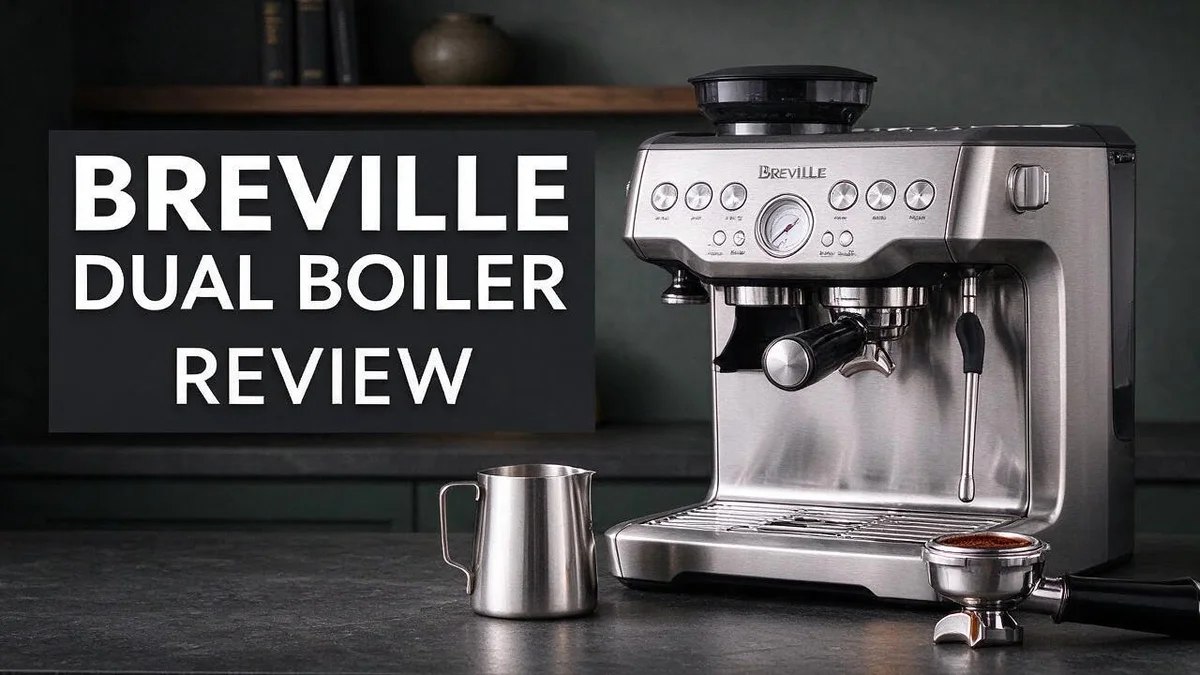
Breville Dual Boiler Review 2026: Should You Buy This?
Want café quality coffee at home? The Breville Dual Boiler might be the machine you need.
It uses two separate boilers. One handles brewing and the other handles steam. This setup lets you pull a shot and steam milk at the same time.
Steam arrives instantly and stays powerful on demand. You can also program your shots and add a gentle soak before each brew for a smooth, balanced cup.
Still, this machine asks for patience. It takes 15 to 20 minutes to reach operating temperature. So it suits people who brew every day, not occasional drinkers.
In this review, we look at the BES920XL in detail. You will learn what it does well, where it falls short, and whether it fits your coffee routine.
In a Nutshell
- Dual PID control: Two PID controllers manage the brew boiler and the grouphead. This helps the water temperature stay steady from shot to shot, so each cup tastes consistent.
- Programmable shots: You can set the shot volume and timing to match your favorite recipe. A soak step before extraction gives the coffee bed a gentle start, which helps flavor develop evenly.
- Solid build quality: The body feels sturdy and well finished on the counter. The free tamper, however, falls short of expectations, so many owners choose a better one soon after buying.
- Long warm up time: Expect to wait 15 to 20 minutes before the machine reaches operating temperature. This makes it a better fit for people who brew every day than for those who drink coffee only now and then.
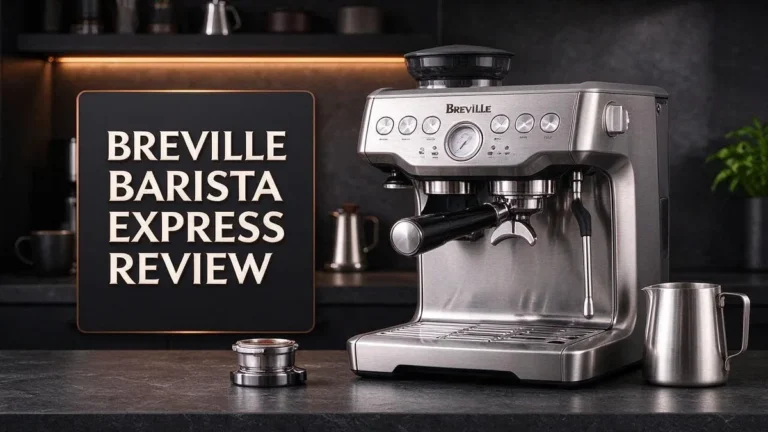
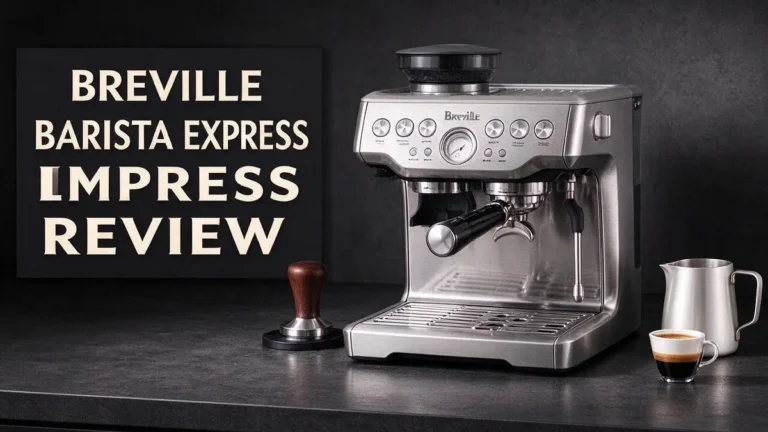
- Strong rivals: The Barista Express, Lelit Bianca, and Quickmill Silvano all compete for the same home buyers. Each one offers a slightly different feel, so it helps to compare them side by side.
- Who it suits best: Home baristas who brew daily and want precise control over every shot will get the most from this machine.
Build Quality and Materials

- INCLUDED: 58mm Razor Dosing tool, 58mm Stainless Steel Portafilter, 1 Cup & 2 Cup Single and Dual Wall...
- WARRANTY: 2 Year Limited Product Warranty; Power: 1700 Watts; Voltage: 110 to 120 Volts; Capacity: 84 oz...
Last update on 2026-11-25 / Affiliate links / Images from Amazon Product Advertising API
Materials matter more than many buyers expect. The Breville Dual Boiler uses a brushed stainless steel body. Metal panels resist scratches and fingerprints far better than plastic.
Heat and metal work together here. Boilers run hot for hours each day. Stainless steel handles that heat well, so the machine keeps its look over many years.
The portafilter deserves special attention. Its heavy metal handle feels balanced in the hand. That weight helps you lock it in with steady pressure.
Internal metal parts handle hot water and steam without warping. Solid parts hold their shape over time. This matters for consistent shots every morning.
The free tamper is the weak spot. Reviewers say it feels light and thin in the hand. Many owners later swap it for a heavier tamper that fits the 58 mm basket.
Some buyers also want a better tamper from day one. A solid metal tamper pairs well with this machine. It helps the grind sit level for even extraction.
Knobs and switches feel firm under the fingers. Each adjustment feels deliberate rather than flimsy. Clear markings make the controls easy to read at a glance.
Cleaning access is a practical plus. The water tank and drip tray pull out from the front. Smooth surfaces wipe down quickly after a busy morning.
The group head also shows careful engineering. Its shower screen and gasket sit firmly in place. Tight fittings reduce leaks and keep the shot path steady.
Weight is part of the story. The machine feels heavy on the counter. That mass absorbs vibration during pulls and stays put during steaming.
Think about where you will place it. Choose a flat counter with room for the tamper and cups. Stable surfaces help the machine last longer.
Overall, the materials point to a machine built for the long haul.
Owners who descale often and wipe the steel regularly can expect many years of use. Good care keeps the Breville Dual Boiler looking and performing its best.
Brewing and Steam Performance
Brewing and steaming can happen in the same session. Many home machines force you to wait between tasks. This model keeps the steam side ready while you pull a shot. Your morning routine feels much smoother.
Milk drinkers will notice the difference fast. The steam wand delivers a strong flow, so milk heats quickly. You can texture milk with fewer pauses between drinks.
The steam wand needs a little practice at first. Keep the tip just under the milk surface. Then lower the pitcher slightly to create a gentle swirl. Stop when the base of the pitcher feels warm to the touch.
A cooling flush matters after steaming. Steam heat can push the brew side past your ideal range. Run a short flush of water through the grouphead before you pull your next shot. Wait a few seconds so the water settles. This simple habit helps keep extraction even.
Shot timing takes a little trial. Start with a simple recipe and adjust one variable at a time. Change the grind size first, then the dose, then the shot time. Small steps make the cup taste better.
Preinfusion gives the coffee puck a gentle soak before full pressure arrives. That soft start can help reduce channeling and give a more balanced cup. Use it when you want more sweetness in your shots.
Water temperature also shapes flavor. Lighter roasts often taste best with slightly warmer water, while darker roasts may need a little less heat. Keep notes so you can repeat your favorite results.
Espresso lovers who host friends can make several drinks in a row. Steam and brewing do not compete for power in the same way. Guests get drinks faster, and you stay relaxed.
Patience at startup still pays off later. Once the machine is ready, it stays steady through a long session. Good technique matters more than gear. Practice builds skill, and this machine rewards careful habits.
Temperature Stability and Warm-Up Time
Temperature stability is one of the biggest strengths here. The Breville Dual Boiler uses two PID controllers. One manages the brew boiler, and the other focuses on the grouphead.
Why does this matter so much? Espresso depends on water that holds the same heat from the first second to the last. Even small swings can change sweetness, body, and bitterness in the cup.
The grouphead controller deserves extra credit. It manages heat right where water meets coffee. Many machines let temperature drift at this point, so a second controller helps keep each shot even.
The catch is the warm up period. The machine needs time before it settles at its target heat, so plan ahead. Switch it on while you grind and weigh your beans. By the time your dose is ready, the boilers will be much closer to temperature.
Room temperature also plays a role. A cold kitchen can slow the heat up and stretch the wait. Place the machine away from drafts and cold windows for the best start.
Use the wait wisely. Fill the water tank, set out your cups, and dial in your grinder. A short flush through the grouphead before the first shot also clears out stale water.
Test before you serve. Pull a test shot and taste it closely. A sour, thin shot often points to cool water. A harsh, dry shot may mean the water runs too hot. Change one setting at a time, and only after the taste feels steady.
Keep notes on your warm up routine. Write down how long you waited and how each shot tasted. Over a few weeks, you will spot the timing that gives you the most consistent results.
Occasional users should weigh this carefully. If you only brew once or twice a week, the wait may feel long. Daily drinkers, however, can build a routine that makes the startup time feel worthwhile.
Top 3 Alternatives
Rancilio Silvia

- PID Accuracy: Digital temperature management offers higher accuracy, to-the-degree temperature control...
- Pre-Infusion: Programmable infusion and dwell time makes shots easier to pull and more repeatable.
Last update on 2026-11-25 / Affiliate links / Images from Amazon Product Advertising API
Many home baristas call the Rancilio Silvia a true classic. It uses a single boiler and a solid steel body. With a little practice, you can pull great espresso shots at home.
The machine includes a commercial style portafilter. This gives you rich flavor and strong crema. You also get full control over grind, dose, and timing.
It feels heavy and built to last. Many owners keep their Silvia for years. It rewards patient learners who enjoy tweaking their coffee.
Gaggia Classic Pro

- Solid Steel Housing, Made in Italy
- 9 Bar Espresso Extractions

Last update on 2026-11-25 / Affiliate links / Images from Amazon Product Advertising API
The Gaggia Classic Pro is a favorite for beginners. It has a sturdy metal frame and a simple layout. Making espresso feels fun and hands on from the first day.
The machine comes with a steam wand for milk drinks. You can texture milk for lattes and cappuccinos with some practice. Many people say it is a great first machine for learning the basics.
It also has a commercial style group head and a clear design. Its compact size fits well on most kitchen counters.
Lelit Bianca

- PID Temperature Control - View and adjust your steam boiler temperature quickly with the front-mounted...
- Shot Timer - When brewing, the PID screen doubles as a shot timer to monitor your espresso progress.
Last update on 2026-11-25 / Affiliate links / Images from Amazon Product Advertising API
The Lelit Bianca feels like a cafe machine in your home. It uses dual boilers, so you can brew and steam at the same time. This makes your morning routine faster and smoother.
It includes PID temperature control for steady shots. Precise temperature helps you repeat great results every day. Serious coffee lovers often choose it for this level of control.
Its sleek look also suits a modern kitchen. It makes a strong statement on your counter.
Ease of Cleaning and Maintenance
Keeping this machine clean takes a small daily routine. Wipe the steam wand right after each use. Milk residue dries fast, so a quick wipe prevents clogs and sour smells.
Daily habits matter most. Knock out the used puck, rinse the portafilter, and run a short flush through the group head. These steps stop coffee oils from building up on the brew side.
Next, look at the shower screen. Coffee grounds can collect on it and slow the flow. Scrub it gently with a soft brush every week to keep extraction even.
Backflushing is another useful habit. Use a blind basket and a cleaning tablet once a week if you pull many shots. Rinse the basket well afterward, because leftover cleaner can taste bitter in your next cup.
Soak the baskets in warm water with a little cleaner once a month. Dry them fully before storing them. Trapped moisture can cause odd tastes.
Descaling needs a regular spot on your calendar. Hard water leaves mineral scale inside the boilers and lines. A filtered water source slows that buildup and protects the heating parts over the long run.
Check the group head gasket every month or so. A worn gasket can leak or spray water at a strange angle. Swapping it early takes less effort than repairing a bigger problem later.
Wipe the outside with a soft damp cloth. Stainless steel shows fingerprints, so a microfiber cloth keeps the finish bright. Avoid harsh scrubbers, because they can scratch the surface.
A clean machine also heats more evenly. Built up residue can act like insulation. Clear parts help the temperature stay steady, which protects your shot quality.
Some owners like a simple log. Write down the date of each descaling and backflush. A short note keeps the schedule clear and helps you spot small issues early.
Pros and Cons
Pros
- Solid build quality that feels built to last.
- Programmable shots help you repeat the same drink every morning.
- Steam comes on fast when you need it for milk drinks.
- Great for learning espresso step by step with full control.
- Feels like a real café setup in your own kitchen.
Cons
- The free tamper is not good enough for consistent results.
- You need a good grinder to get the most from it.
- Shot quality depends heavily on your technique.
- Best for hands-on people who enjoy fine-tuning each drink.
Who Should Buy It
This machine suits a certain kind of home coffee lover. It fits people who want café drinks in their own kitchen most days.
Think about your morning routine first. Many people want a flat white before work, and this machine can make one without a trip out.
Latte art fans have room to practice. With steady steam and smooth milk, your pours improve with each session.
Upgraders are great candidates. If you already own a basic machine and feel stuck, this model offers real room to grow.
Couples with different tastes can share one machine. One person can pull a short shot while the other makes a longer americano.
Hosts love it too. Friends and guests often ask for a latte or cappuccino, and you can serve them right from the kitchen.
Remote workers often enjoy this setup. A proper espresso break fits neatly into a long home office day.
Bean lovers who shop at local roasters will appreciate the control. You can dial in each new bag and taste the difference.
Check your electrical setup before you buy. This machine needs a suitable outlet that can handle its power needs.
Counter space matters as well. This is a large appliance, so measure your kitchen before you order. Leave room for the tamper, knock box, and milk jug.
Skip this machine if you want easy, grab-and-go coffee. Capsule machines or fully automatic models suit busy people who want very little effort.
Ask yourself a few quick questions. Do you drink espresso most days? Do you enjoy tinkering with settings? Do you have space on the counter? If you answered yes to most of them, this machine could be your match.
Take a moment to think about your routine. An honest answer will show whether this machine fits your home and your coffee goals.
Final Verdict
The Breville Dual Boiler, model BES920XL, earns a strong final score. It brings café-style control into your own kitchen. Few machines at this level offer such a clear mix of power and precision.
The biggest win is the separate brew and steam boilers. Each one has its own temperature control. You can pull a shot and steam milk without waiting for one task to finish first. This setup changes how you think about making drinks at home.
Temperature stability is another standout feature. The brew boiler keeps a steady heat from shot to shot. That consistency helps you lock in a recipe and trust the results you get.
Build quality also deserves praise. The machine feels solid and well made. It looks sharp on the counter and never feels flimsy when you use it.
This machine is not a quick appliance. It works best as a long-term commitment. It rewards people who enjoy the process and want to shape every cup.
Other options deserve a look before you decide. The Barista Express is a simpler Breville choice, and many buyers start there before moving up. The Lelit Bianca and Quickmill Silvano appeal to enthusiasts who want a different feel and finish.
Compare these machines side by side. Consider how often you brew, how much time you enjoy spending on each drink, and how much detail you want to control.
Here is our straight answer. Choose the Dual Boiler if you brew most days and want steam and espresso ready on demand. Choose a simpler machine if you want fast, low-effort coffee with less involvement.
Bottom line: The Dual Boiler delivers serious performance. It suits dedicated home baristas who want full command over their coffee and are ready to put in the effort.
Frequently Asked Questions
How long does the Dual Boiler take to heat up?
It takes about 15 to 20 minutes to reach operating temperature. Plan ahead if you want a shot first thing in the morning. Switch it on before you grind your beans so the machine is ready when you are.
Is it a good pick for occasional coffee?
Not really. The long warm-up makes it a poor fit for someone who makes coffee only now and then. If you drink one cup on weekends, a simpler machine will likely suit you better.
How does it compare with the Barista Express?
The Barista Express is the lower-tier Breville option in this comparison. The Dual Boiler gives you separate brew and steam boilers, so you can pull a shot and steam milk at the same time. Choose the Express if you want a more basic start with home espresso.
What about the Lelit Bianca and Quickmill Silvano?
Both machines are strong rivals that many home espresso fans consider. Look closely at each one’s warm-up time, steam power, and daily routine. Each machine fits a different kind of coffee lover, so your habits should guide the final choice.

Hi, I’m Luna! I’m the voice behind CoffeePickster.com. I’m a coffee obsessive who’s spent way too many hours (and dollars) testing coffee makers so you don’t have to. I created this blog to help fellow coffee lovers find the right gear without the guesswork. Let’s brew something great together!