Breville Barista Express Review: Is It Worth Your Money?
Dreaming of café quality coffee at home? The Breville Barista Express might be your perfect match.
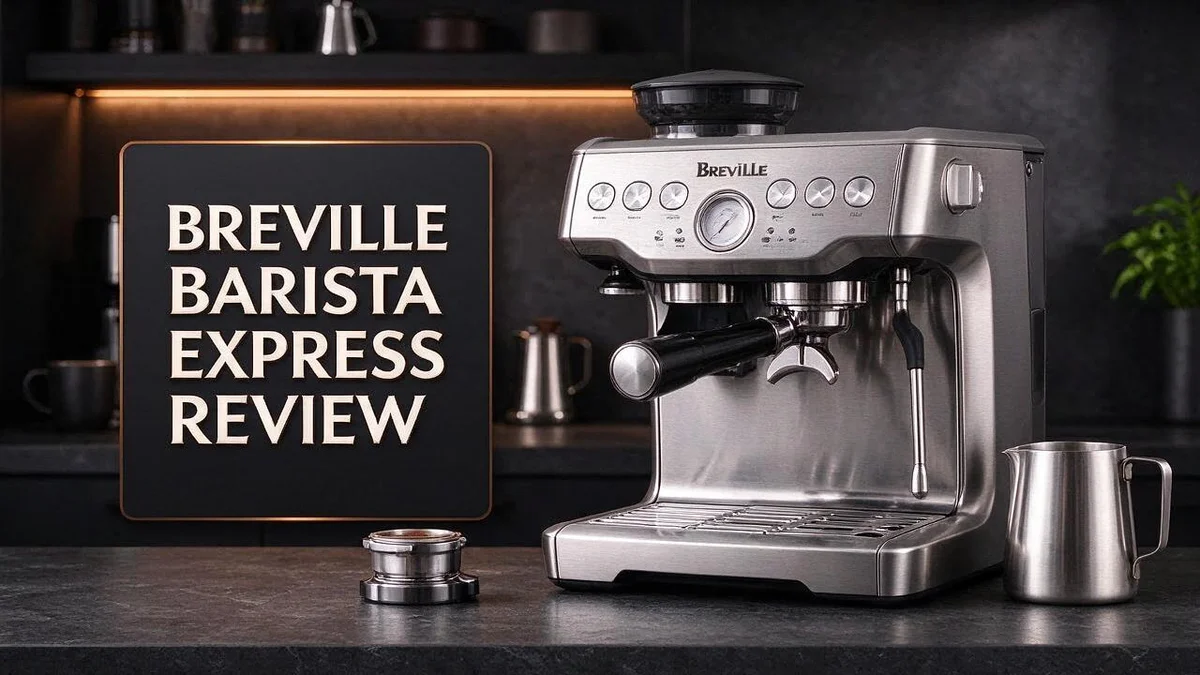
This machine has a built in conical burr grinder, a 54mm tamper, and a steam wand. Everything you need sits in one place.
Beginners often find it friendly from day one. Experts also appreciate its PID temperature control and high pressure extraction.
Still, there is a learning curve. Getting the grind just right takes patience. Once dialed in, the results can be impressive.
In this guide, we will explore the key specs, pros, and cons. We will also compare it with rivals like the Bambino Plus and the Fellow Espresso Series 1.
Read on to see if this machine belongs on your counter.
In a Nutshell
- Who it suits: This machine fits beginners who want to learn. It also gives experienced home baristas enough control to refine their shots over time.
- Steady heat: PID temperature control keeps water at a stable temperature. This helps each shot taste even from one pull to the next.
- Grind control: You get 25 grind settings to dial in your beans. Small changes can shift flavor a lot, so this range helps you find your sweet spot.
- Dose and storage: Single and double shot auto dosing keeps your coffee measured the same way each time. The 250g bean hopper and 2L water tank also mean fewer refills.
- Milk drinks: The powerful milk frother makes creamy foam for lattes and cappuccinos. You can practice milk texture after your shots are dialed in.
- Mixed feedback: Some owners report mixed experiences in online forums. Read several reviews before you decide, and weigh the learning curve against your goals.
Built-In Grinder and Dose Control

- MANUAL HAND-TEXTURED MICROFOAM: The powerful steam wand on this cappuccino maker and latte machine is...
- PRECISE DOSE GRINDING: Integrated precision conical burr grinder on bean-to-cup espresso machine grinds...

Last update on 2026-11-27 / Affiliate links / Images from Amazon Product Advertising API
Fresh grinding is where great espresso begins. The Breville Barista Express grinds beans right before each shot. Freshly ground coffee keeps more of its aroma and flavor.
The grinder sits inside the machine, so there is no second appliance to find space for. You add beans to the hopper, pick a setting, and grind directly into the portafilter.
Grind size shapes every cup. Finer grounds slow the water and increase extraction time. Coarser grounds let water rush through, which often tastes sour and thin.
Dose works alongside grind. Dose means the amount of ground coffee that fills the basket. Too little coffee creates a fast, watery shot. Too much can block the flow and taste bitter.
Think of grind and dose as a pair. Change one at a time so you can tell what caused the change in taste. Small adjustments make the biggest difference.
Watch the shot as it pours. A good shot flows like warm honey and forms a rich, golden crema on top. A shot that gushes or drips too slowly needs a small fix.
Your first few shots often taste off. That is normal for almost every home barista. Adjust the grind by one small step, then taste again.
Keep a simple brew log. Write down the grind setting, dose, and shot time for each drink. After a few days, you will spot patterns that point to your ideal cup.
The 250g bean hopper holds plenty of beans for daily use. Refill it with fresh beans often. Store the rest in a sealed container, away from heat and light.
Once you find your sweet spot, the routine becomes quick and easy. Many owners say the process feels like a morning ritual they enjoy. Your coffee tastes consistent, cup after cup.
Espresso Brewing and Temperature Control
Temperature shapes flavor more than many people expect. Hot water pulls sweetness and body from the grounds. Water that runs too cool can taste sour and thin.
Water that runs too hot can taste harsh and bitter. The sweet spot sits in a narrow range. Good temperature control helps you hit it.
The machine pushes hot water through the coffee under pressure. This happens in a short window. Heat must stay steady the whole time.
Think of temperature as your second dial. Grind size gets most of the attention. Heat works quietly behind every cup.
The Barista Express uses PID control to hold a steady target. You spend less time chasing a moving number. You can focus on taste instead.
Pull a shot and taste it closely.
Sour notes often point to low heat or a coarse grind. Bitter notes often point to excess heat or a long shot.
Some people want more control over heat. The Breville Barista Express Impress offers adjustable brew temperature. This lets you tune each cup to your taste.
Light roasts often shine with slightly hotter water. Darker roasts often taste smoother when the water runs a bit cooler. Start in the middle and adjust in small steps.
Change one thing at a time. Adjust the temperature, then taste the shot. Next, adjust the grind and taste again. This keeps your notes clear.
Temperature also matters for milk drinks. A well balanced shot makes a latte taste richer. Strong espresso and creamy milk work best as a team.
Consistency beats perfection every time. A steady machine helps you repeat good shots day after day. That repeatable result builds real confidence.
Steam Wand and Milk Frothing
Steam is where the Barista Express starts to feel like a café machine. Many home baristas spend just as much time on milk as they do on espresso.
Purge the wand first. Open the steam knob for a second or two before you dip the tip into milk. This clears out water that has sat in the line.
Cold milk gives you more time to work. Fill your pitcher with cold milk and pour only what you need for one drink.
Keep the tip near the surface. Lower the wand so the tip sits just under the surface of the milk. You should hear a soft hissing sound. That sound means air is mixing into the milk.
Once the pitcher feels warm, move the wand deeper. A deeper position creates a gentle whirlpool that smooths out large bubbles.
Stop steaming when the pitcher feels warm to the touch, not hot. Milk that gets too hot tastes flat and loses its sweetness.
Milk type changes everything. Whole milk makes thick, sweet foam with a rich texture. Oat milk froths well too, but it can separate, so give the pitcher a gentle swirl before pouring.
A small stainless steel pitcher helps you judge the foam level.
Wipe the wand right after every use. Dried milk can clog the holes and weaken steam pressure. Use a damp cloth while the wand is still hot.
Then purge once more to clear the tip. This small habit keeps your machine ready for the next drink.
Once you finish steaming, tap the pitcher on the counter. This pops any large bubbles that remain. Then swirl gently to blend the foam into silky microfoam.
Good milk looks glossy, like wet paint. It should pour slowly and smoothly.
Frothing takes patience, so your first few pitchers may look messy. Keep practicing and you will soon find your rhythm.
Top 3 Alternatives
Gaggia Classic Pro

- Solid Steel Housing, Made in Italy
- 9 Bar Espresso Extractions
Last update on 2026-11-27 / Affiliate links / Images from Amazon Product Advertising API
The Gaggia Classic Pro is a favorite for home baristas who want a hands-on experience. It has a solid metal body and a commercial style portafilter. Many users enjoy its simple controls. You can also upgrade parts like the steam wand and portafilter basket. With some practice, you can pull rich shots that rival your favorite cafe.
Rancilio Silvia

- PID Accuracy: Digital temperature management offers higher accuracy, to-the-degree temperature control...
- Pre-Infusion: Programmable infusion and dwell time makes shots easier to pull and more repeatable.
Last update on 2026-11-27 / Affiliate links / Images from Amazon Product Advertising API
The Rancilio Silvia brings true commercial quality to your kitchen. It heats up fast and holds a steady temperature for better shots. Its stainless steel body feels built to last for years. Dedicated espresso fans often choose it for deep flavor and thick crema. It does ask for more skill, so it suits people who love learning.
De’Longhi Dedica

- CRAFT HOT & ICED ESPRESSO DRINKS & COLD BREW With three preset recipes - Espresso, Double Espresso and...
- OPTIMAL EXTRACTION Get café-quality results every time with our professional pump that delivers expertly...
Last update on 2026-11-27 / Affiliate links / Images from Amazon Product Advertising API
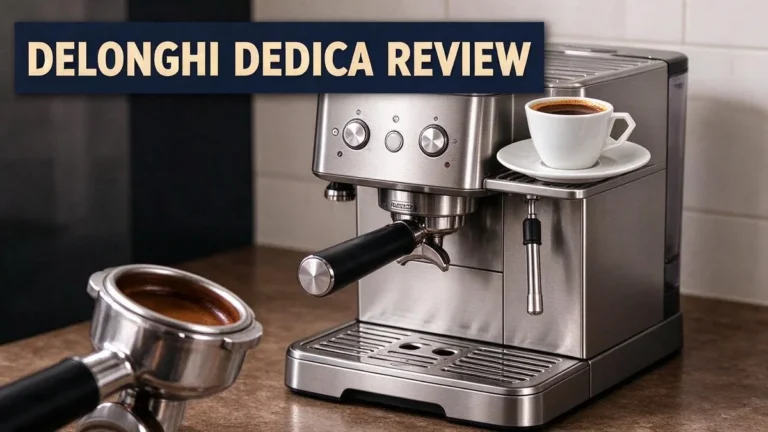
The De’Longhi Dedica is a compact machine made for small kitchens. It fits neatly on a crowded counter and suits apartment living. Its slim design saves valuable space. It also offers an easy learning curve for beginners. You can make café style drinks without a large footprint or a complicated setup.
Learning Curve and Daily Workflow
Most people need a few weeks to feel at home with this machine. The learning curve is real, but a simple daily routine makes it much easier.
Build a routine you can repeat. Turn the machine on early so it heats fully. Set your cup and tools in the same spot every time. Grind, dose, tamp, and brew the same way each time, because repeating the steps keeps your results steady.
Clean as you go. Knock out the used puck right after each shot. Rinse the portafilter while it is still warm. This habit stops old coffee oils from making your next cup taste stale.
Flush before you brew. Run a short burst of hot water through the group head before you lock in the portafilter. This clears loose grounds and helps the machine settle at the right temperature.
Expect changes when the beans change. Coffee ages quickly after roasting. The same grind setting can taste different a few weeks later. Plan to adjust for a few shots after each new bag.
Practice in short sessions. Pull three or four shots each morning before you serve anyone else. Short practice keeps the process fun and builds skill faster than long, stressful sessions.
Measure how long your routine takes. Time the whole process from grinding to cleanup. Your steps will get smoother, and the total time will drop with practice.
Schedule a weekly deep clean. Remove the shower screen and soak it in warm water. Wipe the drip tray and check the water tank for buildup. Good care protects the machine and keeps your workflow smooth.
Take it one step at a time. Most routines feel natural within a month. Your hands will learn the motions with practice. Each shot teaches you something new, so enjoy the process.
Cleaning, Maintenance, and Capacity
Clean the grinder every week. Coffee oils and fine dust collect around the burrs over time. A dry brush removes most of the mess in just a few minutes.
Descale on a set schedule. Hard water leaves mineral scale inside the boiler and pipes. Run a descaling solution every few months, or sooner if your tap water is hard.
Backflush once a month. Backflushing uses a blind basket to rinse oil from the group head. Pair it with a cleaning tablet for the best results.
Empty the drip tray often. Old water and grounds can smell sour. Rinse the tray and the knock box every few days.
Refill the water tank with fresh water. The 2 liter tank holds enough water for many drinks. Swap the water each day so your coffee tastes clean.
Use filtered water when possible. Filtered water protects the boiler and tastes better. It also slows down scale buildup inside the machine.
Know your bean capacity. The hopper holds about 250 grams of beans. That covers roughly a dozen double shots, so you may refill it often.
Store extra beans the right way. Keep spare beans in an airtight container. Place it somewhere cool, dark, and away from the machine’s heat.
Judge capacity by your household. This machine suits one or two people well. Larger groups may need to refill the hopper and tank several times a morning.
Check the seals every few months. Worn rubber gaskets can leak or lose pressure. Look for cracks and replace them when you see wear.
Wipe the outside after each use. Stainless steel shows fingerprints and milk spots fast. A soft damp cloth keeps the finish looking sharp.
Keep a simple cleaning log. Write down the date of each descale and backflush. A quick note helps you stay on track when life gets busy.
Pros and Cons
Pros
- You skip buying a separate grinder.
- Beginners and experts both find it useful.
- Fine grind settings let you fine tune each shot.
- The steam wand makes café style drinks at home.
- You can grow into the machine as your skills improve.
Cons
- Dialing in the grind can feel frustrating at first.
- Some online reviews are mixed.
- It takes up more counter space than simpler machines.
- Beans need to be fresh for the best results.
Who Should Buy It
This machine suits people who enjoy the process as much as the cup. If you like a slow morning ritual, this machine fits right in. Each step gives you a small moment to focus on your coffee.
It also works well for people who want to taste the difference between roasts. Small changes in dose, grind, or water can shift the flavor in clear ways. Curious drinkers often find that kind of control fun.
Households with several coffee lovers can benefit too. One machine can handle a flat white for one person and an americano for another. Everyone gets their drink made the way they like it.
Think about who will do the daily work. Someone in the home should enjoy practical tasks. Grinding and tamping take a few minutes each day. If that sounds fun, this machine is a good match.
Some buyers prefer a faster start. People who want a hot drink quickly may prefer a simpler model like the Breville Bambino Plus. That option trades some control for speed.
Who should skip it? People who want one touch coffee with zero input may find it too involved. Pod machines or fully automatic models may suit them better.
Gift buyers should think about the recipient first. A person who loves learning new skills will likely enjoy the process. Someone who wants a quick morning may feel frustrated.
Ask yourself one simple question before you decide. Do you want to learn coffee or just drink it? Your answer will point you to the right machine.
If you enjoy the craft, this machine can become a daily favorite. It rewards patience and curiosity with cups you will be proud to share. Many owners find that the effort feels worth it.
Think of this machine as a companion for the long haul. With good care, it can serve you for many years.
Final Verdict
The Breville Barista Express earns a strong place in our final verdict. It suits home cooks who want real control over every cup.
It is built for people who want to grow. Many machines hide the process from you. This one shows each step, from dosing to pulling the shot.
Think of it as a training ground for better coffee. Each adjustment teaches you something new about extraction. Over time, your cups improve in clear ways.
Competitors offer useful alternatives. Bon Appetit and Serious Eats both praised the Breville Bambino Plus. It works well for shoppers who want a faster start with less setup. Shoppers can compare features side by side.
The Fellow Espresso Series 1 earned Bon Appetit’s top overall pick. It takes a different approach to brewing. Compare both machines before you buy.
If you want more hands off help, consider the Impress model. It adds automated features. You trade some hands on learning for speed and ease.
Our verdict is simple. Pick the Barista Express if you enjoy the craft. It rewards patience and steady practice.
This machine fits people who see coffee as a daily ritual. It rewards those who take their time with each cup. Small changes lead to noticeable differences in taste.
Think about your daily routine before you commit. Ask how many cups you make each day. Be honest about how much time you have.
The machine delivers strong results when you match it to your habits. Many owners find it becomes the center of their kitchen routine. That is a sign of a great fit.
Your final choice depends on your goals. Pick the machine that matches how you want to spend your mornings. The right choice makes every cup feel special.
Enjoy the process, and the cups will follow. Choose it with confidence and start brewing today. Your next great cup is waiting.
Frequently Asked Questions
How long does it take to learn this machine?
Most people need a few weeks of practice to get great shots. Start with the grind size and change one thing at a time. Keep a simple log of each shot so you can see what works.
Do I need to clean it often?
Yes, regular cleaning keeps the flavor fresh. Wipe the steam wand after each use and empty the drip tray often. Run a descale cycle on a set schedule to protect the internal parts.
Can I use pre-ground coffee?
You can, but you will miss the main benefit. The built-in grinder works with whole beans. Freshly ground beans give the best taste. Pre-ground coffee also makes it harder to dial in your shots.
Should I choose the Bambino Plus instead?
It depends on your routine. The Bambino Plus is a strong pick if you want a faster start with less setup. Serious Eats and Bon Appetit both chose it as a favorite. If you enjoy adjusting grind settings and learning the process, the Barista Express gives you more control.

Hi, I’m Luna! I’m the voice behind CoffeePickster.com. I’m a coffee obsessive who’s spent way too many hours (and dollars) testing coffee makers so you don’t have to. I created this blog to help fellow coffee lovers find the right gear without the guesswork. Let’s brew something great together!