Breville Barista Express Impress Review: Live Up To The Hype?
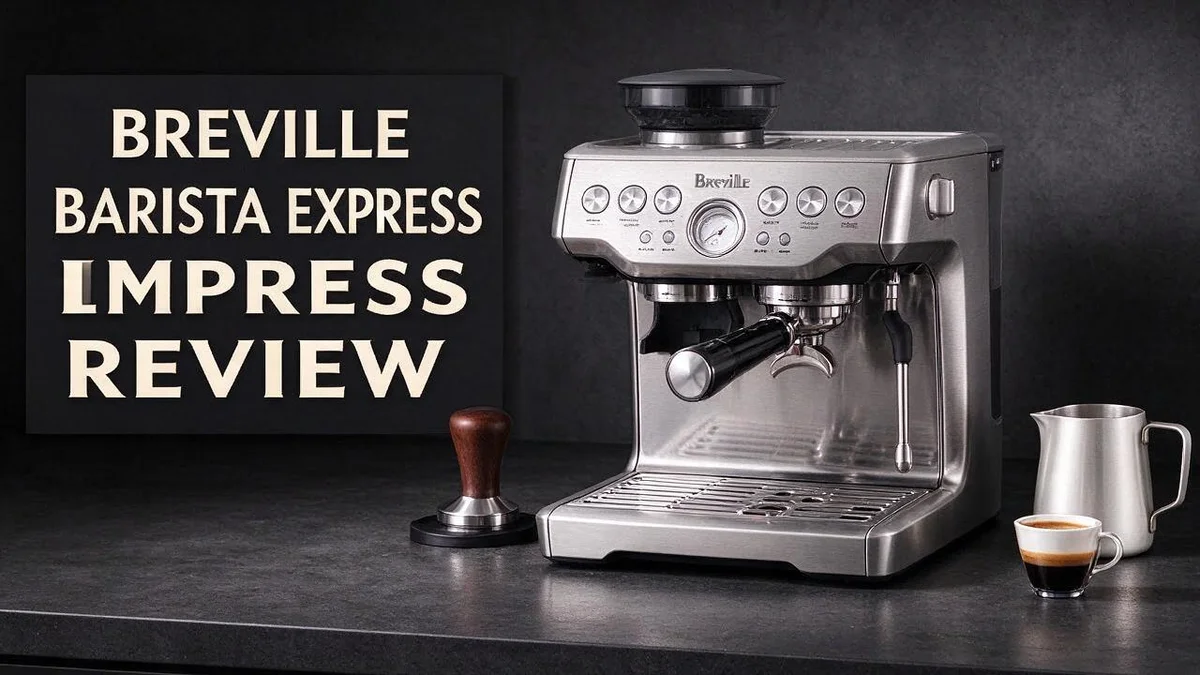
Are you ready to make café style espresso at home? The Breville Barista Express Impress might be the machine you need. It brings grinding, dosing, tamping, and steaming into one space.
Many people feel nervous about their first home espresso shot. This model helps with that. Its Impress Puck System and assisted tamping guide you through each step.
You get 25 grind settings and PID temperature control. That means you can fine tune every shot. Reviewers often say the espresso quality is excellent.
In this review, we look at what works well. We also cover who this machine suits best. Let’s find out if it fits your morning routine.
In a Nutshell
- Grinding and dosing happen in one machine. You add whole beans, and the grinder fills the portafilter for you. This saves counter space and cuts down on mess. Each shot starts with fresh grounds.
- Automatic tamping helps beginners. The machine presses the grounds for you. Your shots look more even from the start, so you can focus on learning how flavor changes.
- The Impress Puck System speeds up your routine. The brand says you can go from bean to espresso in under a minute. That makes weekday mornings easier when you want a quick cup.
- Reviewers praise the espresso quality. Many testers say the cups taste excellent for a home machine. Strong flavor and rich crema are common highlights in their reports.
- You still control the details. You can adjust grind, tamping, and extraction to match your taste. Over time, you can dial in beans you enjoy most.
- The Barista Jet offers more convenience. Reviewers see it as a bigger step up in ease and feel. If you want even less hands-on work, it may suit you better.
Build Quality and Footprint

- MANUAL HAND-TEXTURED MICROFOAM: The powerful steam wand included with this cappuccino and latte machine...
- INTELLIGENT DOSING: The smart dosing system in this bean-to-cup espresso machine automatically calculates...

Last update on 2026-11-27 / Affiliate links / Images from Amazon Product Advertising API
Counter space matters more than most people think. Many home cooks run out of room fast. This machine combines a grinder, dosing, tamping, and steaming in one body, so you do not need a separate grinder beside it.
The footprint works well for many home kitchens. Because the grinder sits inside the frame, you free up room on the counter. Fewer separate parts also mean fewer cords and less clutter. A compact feel helps in small apartments too.
Height is worth checking before you order. Some people keep espresso machines under wall cabinets. Measure the space from the counter to the cabinet bottom. Remember to leave room for the portafilter and the cup.
The weight helps during tamping. Pressing grounds takes some force, even when the machine does the work. This matters most during the tamping step. A steady base keeps the unit from shifting on the counter. Heavier machines usually feel more stable in daily use.
Daily access matters too. You will refill the water tank and empty the drip tray often. Choose a spot where you can reach both easily. Leave space at the front and top for quick use.
Power outlet placement counts too. Place the machine near an outlet you can reach without a long cord. Trailing cords can pull the unit off balance.
Cleaning takes a little planning. Espresso machines collect coffee grounds and milk residue. Keep a cleaning cloth nearby. Wipe the steam wand after each use to keep it working well. Dry the drip tray regularly too.
Check official measurements before buying. The research for this model does not list exact dimensions. Visit the manufacturer site for height, width, depth, and weight. Compare those numbers with your kitchen layout.
A quick measurement saves regret. Take a tape measure to the kitchen before the machine arrives. A few minutes of planning helps this machine fit your routine.
Grinding, Dosing and the Impress Puck System
Fresh beans make a bigger difference than most people expect. Whole beans lose their aroma within a few weeks of roasting. Buy smaller bags so every shot tastes lively and sweet.
Your grind size controls how fast water moves through the coffee. Finer grounds slow the flow, while coarser grounds let water rush through. Pay close attention to how long each shot takes.
Start with the middle setting on the dial. Pull a shot, then taste it. If it tastes sour, grind finer. If it tastes bitter, grind a little coarser.
Dosing means the amount of grounds in the basket. The machine fills the portafilter for you, but that amount may need tweaking. Too little coffee leads to weak, watery espresso. Too much can make the portafilter hard to lock in.
The Impress Puck System guides you through the tamping step. Even pressure helps water pass through the puck evenly. This lowers the chance of sour, uneven shots.
Keep the portafilter clean. Old grounds clog the screen and change the taste of your next shot. Knock out the used puck and rinse the basket after each session.
Tamp with care, even with help from the system. Level grounds matter more than hard pressing. Give the puck a gentle, even press and wipe the rim before locking the handle.
Grind only what you need. Ground coffee loses flavor fast when it sits in a jar. Grind right before each shot for the richest taste.
Grind size can drift over time. Check your settings each week, especially after switching beans. A small shift can turn a sweet shot into a sour one.
Practice makes this step feel natural. Small changes in grind, dose, and tamp add up. Keep notes on each setting, and you will find your favorite cup faster.
Espresso Extraction and Milk Steaming
Good espresso depends on timing. A shot that runs too fast tastes sour and thin. One that runs too slow tastes bitter and harsh.
Watch the flow from the spouts. Look for a steady stream that looks like warm honey. This tells you the extraction is on track.
Water temperature matters too. The machine uses PID temperature control to keep water steady during brewing. Stable heat helps the coffee taste even from one cup to the next.
Crema forms on top of the shot. A thick, golden layer shows good pressure and fresh grounds. Thin crema often points to stale beans or a shot that ran too quickly.
Milk steaming works differently. The steam wand heats and textures milk in one step. Many people use it to make lattes and cappuccinos at home.
Start with cold milk in a steel pitcher. Fill it about one third full. Place the wand tip just below the surface to add air.
Then sink the pitcher so the milk spins in a gentle circle. Stop adding air when the pitcher feels warm to touch. Warm milk keeps its natural sweetness.
Purge the wand before and after each use. Release a short burst of steam. This clears water and milk residue from the tip.
Wipe the wand right after steaming. Milk dries fast and clogs the holes. A damp cloth works well for this step.
Your first few drinks may look uneven. Glossy microfoam looks like wet paint. Bubbly foam means too much air was added.
Taste each shot before you pour milk. This helps you spot balance problems early. A balanced shot feels smooth with light sweetness.
Keep a short note for each bean bag. Write down the setting and shot time. Small records make future adjustments much easier.
Give yourself a week of practice. Small changes add up fast. Soon the process will feel calm and simple.
Top 3 Alternatives
Gaggia Classic Pro

- Solid Steel Housing, Made in Italy
- 9 Bar Espresso Extractions
Last update on 2026-11-27 / Affiliate links / Images from Amazon Product Advertising API
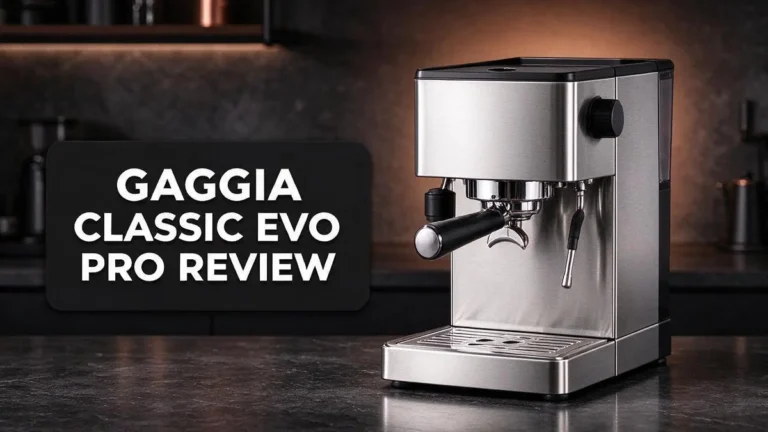
The Gaggia Classic Pro is a favorite among home baristas. It has a sturdy metal body and a commercial style portafilter. Many people love its classic look too.
You control every step of the shot. This makes it great for learning. It heats up fast, so you can brew sooner in the morning. Cleaning is also simple, so you can keep it in top shape.
Rancilio Silvia

- PID Accuracy: Digital temperature management offers higher accuracy, to-the-degree temperature control...
- Pre-Infusion: Programmable infusion and dwell time makes shots easier to pull and more repeatable.
Last update on 2026-11-27 / Affiliate links / Images from Amazon Product Advertising API
The Rancilio Silvia is a serious machine for home espresso fans. Its heavy build helps hold steady temperatures. Many owners see strong, rich shots once they dial in their grind.
This machine rewards careful dosing and tamping. It also offers a powerful steam wand for silky milk. Some users call it a true step up for home cafés. Its size is bigger, so plan for extra counter space.
De’Longhi Stilosa

- Includes Portafilter, measuring scoop/tamper and two filters for single or double espresso
- Stainless steel boiler is engineered to last long and work for years
Last update on 2026-11-27 / Affiliate links / Images from Amazon Product Advertising API
The De’Longhi Stilosa is a smart choice for beginners. Its compact design fits well on small kitchen counters. It keeps the setup simple and clean.
The control panel is easy to use. A basic steam wand lets you make foamy milk for lattes and cappuccinos. You can enjoy café style drinks without a steep learning curve. It is a good fit for people who want a gentle start.
Ease of Cleaning and Daily Maintenance
Keeping this machine clean takes only a few minutes each day. A short routine prevents most flavor problems.
Start with the grinder area. Loose grounds collect around the chute and the dosing cup. Brush them out after each session so they do not go stale in your next shot.
Oils from coffee build up on the group head over time. Rinse the area with hot water after each shot to keep residue from forming.
Once a week, backflush the machine with a blind basket and a cleaning tablet. This clears oil from the internal valves. Follow the manual for the exact steps.
The shower screen above the basket needs attention too. Remove it and scrub it gently with a soft brush. Old coffee pieces can block water flow and cause uneven extraction.
Empty the knock box when it fills, usually after several shots. Old pucks left inside can carry a sour smell.
Use only a soft cloth on the outside. Avoid abrasive pads and harsh chemicals because they can scratch the stainless steel finish.
Descaling matters more than most people expect. Hard water leaves mineral deposits inside the boiler. Descale every few months, or sooner if your water is very hard.
Filtered water slows scale buildup. Many owners use a simple filter jug and fill it with fresh water each morning.
Check the seals and gaskets once a month. Worn parts can leak water onto the counter. Replace them when you see cracks or drips.
Keep a cleaning log on your fridge. Write the date of each backflush and descale. This habit helps you stay on schedule without guessing.
Let the machine cool before deep cleaning. Hot parts can cause burns, and steam can splash. Unplug it before you remove any panel or part.
Good habits make cleaning feel easy. Small steps each day keep your machine ready for the next cup.
Customization and Learning Curve
Customization is where this machine starts to feel like yours. The grinder offers 25 settings, so you can move in small steps. Each change shifts the taste of your cup in a clear way.
Dark roasts often need a coarser setting. Light roasts usually need finer grounds to taste bright. Try one change at a time so you can see what really caused the difference.
PID temperature control keeps the water steady during extraction. That steady heat helps you compare shots fairly. If a shot tastes sour, the cause may be a short extraction rather than heat.
Dose changes also shape the drink. A slightly larger dose can make a richer shot. Too much coffee can slow the flow, so change it gently.
Think of your espresso as a set of levers. Grind, temperature, and dose all pull the flavor in different directions. Learn one lever first, then add the next.
Many people find the learning curve comes in three stages. The first days feel slow and messy. By the second week, your hands start to repeat the same moves. After a month, you adjust shots by taste alone.
Taste tells you more than the timer. Sour and sharp flavors often mean the shot ran too fast. Bitter and burnt flavors often mean it ran too long. Sweet, balanced flavors show you are close.
Start with the default setup for a few days. Then change one setting and compare. This simple routine builds skill faster than random tweaks.
Ask yourself a simple question after each shot. Did it taste thin, heavy, or balanced? Your answer points to the next small change.
Patience pays off with this machine. Most home baristas need several weeks before shots feel consistent. Stay curious and enjoy the process.
Pros and Cons
Pros
– Automatic dosing and tamping take the guesswork out of each shot.
– Assisted tamping makes the process easier for new users.
– The built-in grinder lets one machine handle grinding through steaming.
– Reviewers rate the espresso quality as excellent.
– You can adjust the grind, tamping, and extraction for each bean.
Cons
– Reviewers see the Barista Jet as a bigger step up in convenience.
– Some reviewers feel the Barista Jet has a more premium feel.
– It still asks for some hands-on work, so it is not a one-button machine.
– The research lists few specific drawbacks for this model.
Who Should Buy It
Some people buy this machine for the joy of making café drinks at home. If that sounds like you, this model fits well. It rewards people who enjoy the process as much as the final cup.
Home cooks who like a hobby will feel at ease. Many people enjoy learning a new craft. Each morning can become a small practice session. You may find the routine relaxing instead of rushed.
Milk drinks are another strong reason to choose it. If you order lattes, cappuccinos, or flat whites, you can make them in your own kitchen. The steam function lets you texture milk for each drink.
Households with mixed tastes also benefit. One person may want a short espresso, while another prefers a long, milky drink. Since you control each shot, both drinks can come from the same counter.
Coffee lovers who already own a grinder may still enjoy this upgrade. Bringing grinding, brewing, and steaming into one machine can simplify the setup. Fewer separate tools also means less clutter on the counter.
Gift buyers often find this machine a memorable choice. It shows that you understand how much a coffee fan cares about their daily cup. Pair it with a bag of fresh beans for a complete present.
Some buyers should look elsewhere. If you only want a quick cup in a hurry, a simpler pod or drip machine may suit you better. People who drink coffee rarely may not need this level of control.
Beginners who want a gentler start may compare the Bambino first. It offers a lighter entry into espresso making. Then you can decide whether you want more control later.
Think about your daily routine, your counter space, and how much you enjoy the process. Those answers will show you if this machine is the right fit for your kitchen.
Final Verdict
Our overall verdict is simple. This machine brings café style espresso into one compact unit. It grinds, doses, tamps, and steams in one place.
The Impress Puck System adds a guided feel to each shot. Many owners find that structure helpful during daily use.
Who should buy it? Hobbyists who enjoy a weekly coffee ritual will get the most out of it. Busy households also benefit from a machine that handles several steps at once. Everyone can make their own drink without much setup.
Keep the machine running well with a simple routine. Purge the steam wand after each milk drink. Clean the portafilter and group head regularly so flavors stay clean.
Fresh beans make the biggest difference. Look for a roast date printed on the bag. Buy smaller bags so the coffee stays fresh between brews. Freshness shapes the taste more than most upgrades do.
Think of the manufacturer speed claim as a helpful guide, not a promise. Bean to cup in under a minute is possible, but your routine decides the pace.
Consider the long term. A well kept machine can serve a home for years. Good care protects the grinder, the boiler, and the steam system.
Set honest expectations. This machine rewards effort, so it will not replace a café barista overnight. It also will not fix stale beans or a poor setup.
Try a few shots before deciding. If you can, watch demos or ask a friend with the machine for a test session. Hands on time shows whether the workflow suits you.
Our recommendation is clear. Choose this model if you want full control inside one machine. Plan to keep learning, and your espresso will keep improving over time.
Final thought: Breville built this model for people who enjoy the process as much as the cup. That mindset matters more than any specification. It is a rewarding choice for patient cooks.
Frequently Asked Questions
How long does it take to learn this machine?
Most people need a few weeks of practice. Start with simple drinks and take notes on your grind size. Over time, you will repeat good shots with ease.
Can I use pre ground coffee?
You can, but the machine shines with whole beans. Grinding right before brewing keeps flavor fresh. It also gives you more control over each dose.
What extra tools should I buy?
A digital scale helps you weigh beans and track each shot. A small milk pitcher with clear markings also helps. These tools are optional, but they make learning faster.
How do I know my shot is good?
Look for a steady flow that looks like warm honey. Taste matters most, so sweetness and balance should guide your next change. If the shot tastes sour, grind a bit finer. If it tastes bitter, grind a little coarser.
Can I make latte art with it?
Latte art needs practice with milk texture. The steam wand lets you control the foam, so patient practice pays off. Expect early pours to look messy. Most people improve after many small sessions.

Hi, I’m Luna! I’m the voice behind CoffeePickster.com. I’m a coffee obsessive who’s spent way too many hours (and dollars) testing coffee makers so you don’t have to. I created this blog to help fellow coffee lovers find the right gear without the guesswork. Let’s brew something great together!