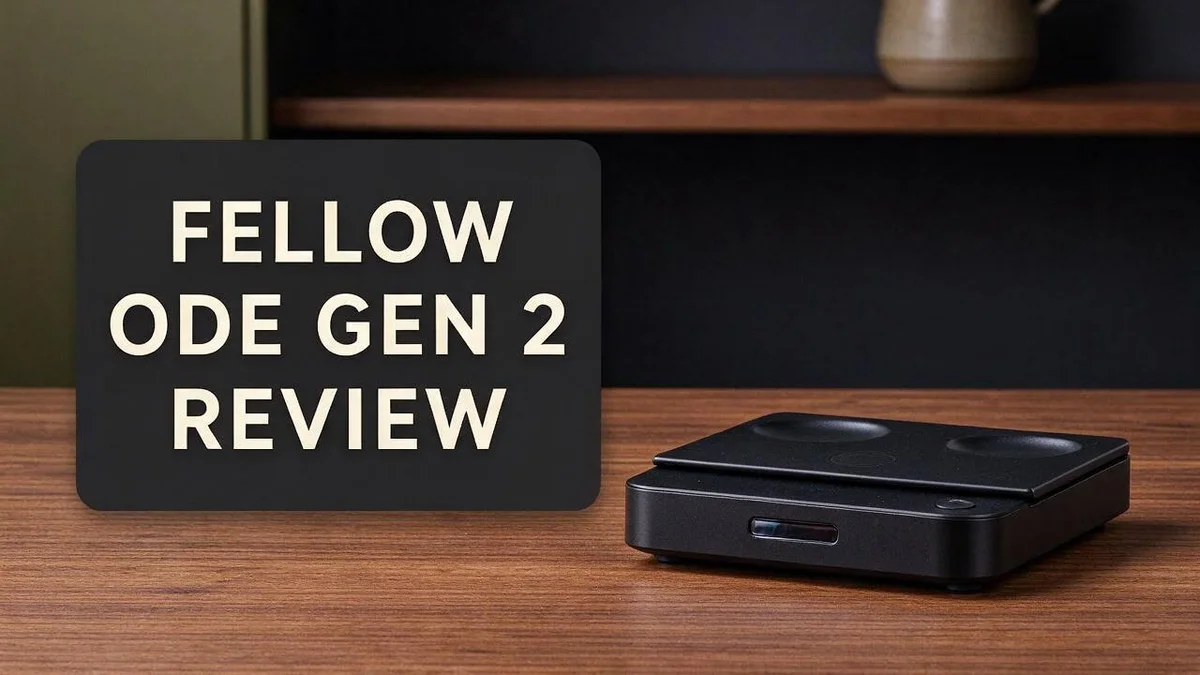
Fellow Ode Gen 2 Review: Is It Worth Your Money?
Are you hunting for a grinder that makes great coffee at home? The Fellow Ode Gen 2 might be the answer. It handles everything from pour over to cold brew.
Fellow built this grinder with brew lovers in mind. It offers expanded capacity and a streamlined design. A magnetic catch bin and anti static tech keep your counter clean. Grounds stay where they belong.
Noise matters in a busy morning routine. This grinder runs quiet and mess free. Many people also like how the Gen 2 burrs deliver more balanced sweetness than the first version.
Still, no grinder is perfect for everyone. The Ode Gen 2 is not made for espresso. Some users also report bitter or flat cups. In this review, we explore what works, what does not, and who should buy it.
In a Nutshell
- Gen 2 burrs handle a wide range of brew styles, from pour over and drip to French press and cold brew. Each grind setting gives you more room to adjust the flavor.
- The grinder holds more coffee than before, yet the body stays slim and simple. That mix suits small kitchens and crowded counters.
- A magnetic catch bin and anti static tech keep grounds contained and easy to collect. You spend less time wiping up stray coffee after each brew.
- Many reviewers say the Gen 2 burrs feel more balanced, with better sweetness than the first version. Fans of bright, clear cups often notice the difference first.
- This grinder is not built for espresso, so skip it if shots are your main drink. Some users also report bitter or flat cups, plus occasional jamming, so test your settings slowly.
- A limited BIGFACE edition also exists. It may appeal to collectors who want a more distinctive look.
Build and Design

- BUILT FOR BREWED COFFEE – With 31 grind settings optimized for pour-over, drip coffee, French press...
- PRECISION GRIND QUALITY FOR BETTER FLAVOR – Professional-grade 64 mm flat burrs with a unique two-stage...
Last update on 2026-11-24 / Affiliate links / Images from Amazon Product Advertising API
A good grinder should feel easy every day. The Fellow Ode Gen 2 takes a calm, clean approach to its shape. It fits a kitchen counter without asking for much room.
Daily handling matters more than most people expect. You will lift, fill, and adjust this grinder often. Simple controls make each morning move faster.
Think about where your hands go during a routine. The grind setting, the bean supply, and the grounds area should all sit within easy reach. A layout that stays out of your way keeps the process relaxed.
Cleaning access is a design point to watch. Grinders collect fine powder over time. A build that opens up for wiping saves effort and keeps each cup tasting fresh.
Stability is another factor worth checking. A grinder that stays put while running feels more controlled. Test the base on your counter before you grind a full batch.
Bean storage deserves a closer look too. Learn how the hopper seats and releases beans. Those details affect how often you refill and clean the unit.
Your kitchen setup shapes the choice. Some people grind in a small nook, while others keep gear on an open counter. Measure your space before you commit to any model.
Build quality also shows in small details. Smooth turning, snug fittings, and clean lines signal care. If possible, handle the unit in person to judge the feel.
Compare the design with your daily routine. A grinder you enjoy using gets more use. That habit keeps your coffee fresh and your counter organized.
Form and function should work together. A handsome grinder means little if it frustrates you each morning. Pick the design that feels natural in your hands.
Overall, this build suits people who value simple routines. It fits a home brewer who wants fewer steps. Small design choices add up over months of daily use.
Grind Range and Capacity
Grind range decides what your coffee can become.
A wide range lets one grinder handle light, bright cups and deep, heavy brews.
The Fellow Ode Gen 2 covers a broad span of grind sizes. You can move from a delicate pour over to a chunky cold brew without extra gear.
Precision matters just as much as range. Small adjustments change flavor fast. Finer settings can bring out sweetness and body. Coarser settings can smooth out sharp notes.
This grinder offers finer control than the first version. That helps you dial in a cup that tastes right to you.
Some users report bitter or flat cups, so grind dialing deserves patience. A small change can shift the result a lot.
Think about your usual brew first. A pour over fan may want a clean, fine grind for a crisp cup. A French press drinker needs something coarser to avoid a silty, muddy cup.
Roast level also shapes the best grind. Light roasts can respond well to a slightly finer setting, while dark roasts may need coarser. Test with your own beans.
Try a few settings and write down what tastes best. Then stick with that setting for your favorite recipe.
Capacity works the same way. A bigger bin means fewer refills.
The expanded capacity suits people who brew for two or more mugs each morning. Someone who makes a single cup may never fill it to the top, so the extra room feels like a bonus.
Consistency is the real payoff. Even grounds lead to even extraction, which keeps flavor steady from cup to cup. Reviewers report consistent results across pour over, drip, and French press.
This grinder is not built for espresso. Espresso needs a very fine, tightly controlled grind, so the range stops short of that goal. If shots are your main drink, look at a grinder made for that job.
Brew Consistency and Flavor
Flavor starts with a steady grind. When every batch comes out even, your cups taste more alike from day to day. Consistency is the real goal.
The Fellow Ode Gen 2 works best when you keep the same recipe. Use one dose, one water temperature, and one setting. Then change only one thing at a time.
Write every result down. A simple log shows which settings taste sweet and which taste harsh. Over a few weeks, you build a reliable routine.
Uneven particles can make a cup taste muddy. Fine dust may pull out bitterness, while large chunks can taste thin and sour. Even grounds help the whole brew extract at a similar rate.
Water temperature and brew time work with the grind. A finer grind needs a shorter brew time, while a coarser grind needs more time. Match them, and your cups stay balanced.
Some video reviews mention jamming. The details are unclear, but a jam can disrupt a session and create batches that do not match. Check the burrs and catch bin after each grind.
Repeatable results matter more than one perfect cup. A grinder that gives steady output lets you test with confidence, because every change tells you something real.
Compare it with rivals before you decide. The Opus Gen 2 is the closest direct match, so tasting both side by side can reveal your favorite. Dedicated filter burrs from Eureka and Mazzer focus on drip and pour over work.
Small wins add up. Work with one bean at a time, so you learn how it reacts. Once you find a sweet spot, write it down and stick with it.
Keep your scale and timer nearby too. Weight and time remove guesswork, so your notes make sense later. Simple tools make a big difference.
Your cup should taste good every time, not just on lucky days.
Top 3 Alternatives
Looking for a different grinder than the Fellow Ode Gen 2? These three options are worth a look.
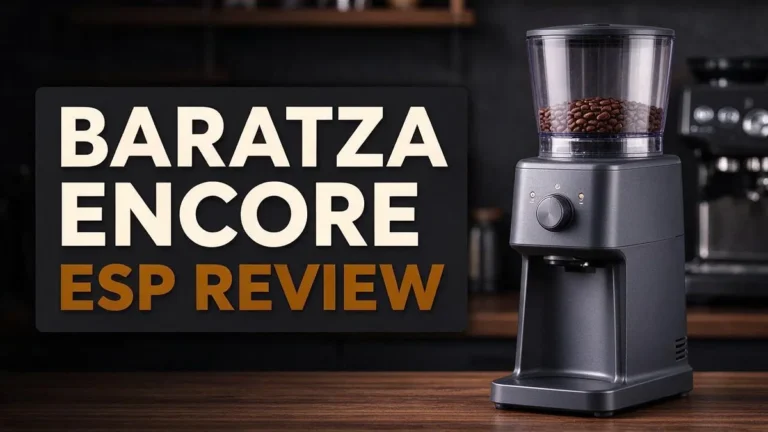
Baratza Encore ESP

- SPECIALTY COFFEE ASSOCIATION AWARD-WINNING GRINDERS - Baratza grinders are preferred by coffee...
- DUAL-RANGE ADJUSTMENT SYSTEM - This innovative multi-purpose adjustment mechanism features micro-steps...

Last update on 2026-11-24 / Affiliate links / Images from Amazon Product Advertising API
The Baratza Encore ESP is a great pick for beginners. It offers 40 grind settings, so you can dial in espresso or drip coffee with ease.
Its burrs deliver even grounds, and the machine feels sturdy on the counter. Cleaning takes little time, and the controls stay simple.
Timemore C2

- Metal body 2024 upgraded version,High quality 420 stainless steel burrs: The burrs are formed by cutting...
- Grinding degree adjustment function: built-in grinding degree adjustment knob, simply turn the grinding...
Last update on 2026-11-24 / Affiliate links / Images from Amazon Product Advertising API
The Timemore C2 is a compact hand grinder that fits easily in a backpack. It uses conical burrs that produce a consistent grind for pour over and French press.
You turn the handle by hand, so every morning feels like a small ritual. It works well for travel or small kitchens. Expect a bit more effort per cup, but many coffee lovers enjoy that slow process.
1Zpresso J-Max

- [ Precision Coated Burr for Sweeter, Finer Espresso ] - Specially crafted for espresso, this manual...
- [ External Grind Adjustment ] - Each click shifts by only 8 microns, giving you exceptional control from...
Last update on 2026-11-24 / Affiliate links / Images from Amazon Product Advertising API
The 1Zpresso J-Max is a hand grinder built for both espresso and filter brewing. It offers fine, stable adjustments with a smooth feel.
Many users say the grind stays even from cup to cup. It also has a clear scale that helps you save your favorite settings. If you want one grinder for both styles, this one is worth a look.
Noise, Mess, and Cleanup
Early mornings feel calmer with a quiet grinder. Many households grind coffee before anyone else wakes up. The Fellow Ode Gen 2 runs quietly, so sleepy family members stay undisturbed.
Sound shapes how the whole ritual feels. A soft hum feels relaxed, while a loud whirr can feel stressful. This grinder lets you enjoy the first cup in peace.
Static can turn a simple grind into a mess. Fine grounds often jump onto the counter, the scale, and the floor. The grinder uses static control technology that helps particles stay in the bin.
The magnetic catch bin cuts down on spills. Grounds stay put during transfer. You spend less time chasing stray bits with a spoon.
Mess often builds up during busy mornings. Rushed scoops and quick pours spread grounds everywhere. Slowing down for a few seconds keeps the counter cleaner.
A small brush works well for loose grounds. Keep one near the grinder and sweep grounds into the bin. Quick sweeps beat wiping a damp mess later.
Less mess means less stress. Clean counters make the morning faster. You can focus on flavor instead of cleanup.
Noise and mess matter most in shared homes. Roommates and partners notice both right away. A quiet, tidy grinder keeps everyone happy with the daily ritual.
Small details add up over weeks. A grinder that stays quiet and neat feels better every day. You may find yourself grinding with less dread.
Test the grinder during a typical morning. Grind a full dose while you move through your usual tasks. Notice how sound and grounds behave in real life.
Expect some grounds to escape now and then. Even careful users see a few stray bits. Keep a damp towel nearby for quick wipes.
Sound and sight both matter. A quiet grinder pairs well with a clean counter. Together they make coffee feel like a calm treat.
Reliability and Jamming Reports
Reliability matters more than most buyers expect. A grinder that stalls during a brew can ruin a morning. Reports about the Fellow Ode Gen 2 show mixed experiences, so careful reading helps.
Video reviews seldom explain what happened during a jam. Reviewers rarely say whether the beans were oily, stale, or too dry. That missing context makes the reports hard to judge.
Bean choice plays a role here. Oily dark roasts can clog burrs faster. Light roasts with low oil usually flow more smoothly. Check the roast date before each batch.
Cleaning also matters. Old grounds build up over time. A quick brush after each use keeps the path clear. Run a deeper cleaning every few weeks for steady performance.
Look for patterns in feedback. One complaint may be a fluke. Several reports about the same issue suggest a real trend. Check review dates too, since a fix may have arrived later.
Compare early reports with later ones. Newer owners may share fixes that older posts missed. Updated feedback gives a clearer picture of long term use.
Keep your own record. Note each jam with the bean type, grind setting, and date. Over a few weeks, that log shows whether the problem comes from the grinder, the beans, or the setup.
If jams happen often, stop grinding and check the burrs. Do not force the dial. Forcing a grinder can cause more damage. Contact the seller or the maker for support.
Choose a calm approach. Reliable performance comes from steady habits. Clean regularly, use fresh beans, and watch for changes. With these steps, you can judge the Fellow Ode Gen 2 on real results rather than rumors.
Pros and Cons
Pros
- Better precision than Gen 1 for fine tweaks.
- Balanced burrs can bring out more sweetness in the cup.
- Steady results across pour-over, drip, and French press.
- Bigger capacity works well when brewing for guests.
Cons
- Not built for espresso, so espresso fans need another grinder.
- Some users report bitter or flat cups at certain settings.
- Early reviews do not clearly list burr size or weight.
Who Should Buy It
This grinder suits home brewers who love filter coffee. If you brew pour over, drip, French press, or cold brew most days, the Gen 2 fits your routine well. One machine covers many methods, so you do not need extra tools.
Espresso fans should look elsewhere. The grinder is not built for shots. If espresso sits at the center of your mornings, choose a separate grinder for that job.
Upgraders from the Gen 1 will notice the change. The finer adjustments let you chase a flavor you could not reach before. Small moves on the dial can shift the cup in clear ways.
New coffee lovers also benefit from this setup. You can test one bean at a time and taste how each setting changes the result. The wide range gives you room to learn without buying extra gear.
People who switch between brew styles gain the most. A slow pour over on Sunday and a cold brew batch on Friday both work with one grinder. That flexibility keeps your counter less crowded.
Gift shoppers for a home brewer may find it useful. Someone who already owns a pour over setup will value a grinder that fits that hobby. Pair it with a favorite bean, and the gift feels thoughtful.
Think about how often you brew espresso before you commit. Match the grinder to your main brew, not to every drink on your wish list.
Final Verdict
The short answer is yes for filter fans. The Fellow Ode Gen 2 earns a place on the counter of anyone who loves clean, bright filter coffee. It handles everything from pour over to cold brew with ease.
Still, it is not a perfect match for everyone. Some buyers will need to look at other options before they commit to a purchase.
Think of this grinder as a specialist. It shines when your daily routine centers on filter brewing. It does less well when your interests stretch into espresso.
Consider your own habits first. Ask yourself which brew method you reach for most. If that answer is filter coffee, this grinder fits your routine well.
Before you order, measure your counter space. Think about where the catch bin will sit. A little planning prevents surprises later.
Compare it with the Opus Gen 2 before you decide. That grinder is the closest direct rival.
Dedicated filter burrs from Eureka or Mazzer and heptagonal hand grinders also deserve a look. Each one takes a slightly different approach to the same goal.
Limited editions like the BIGFACE version add a collector angle. Fans who value design may enjoy that extra touch on their counter. Function still matters more than looks, though.
Test before you trust. Watch recent reviews, not just the first wave. Visit a local café that uses the grinder if you can. Time spent with the grinder tells you more than any spec sheet.
If espresso sits near the top of your wish list, pause here. Another grinder may serve you better in that case.
Ultimately, the Gen 2 suits home brewers who want one tool for most filter styles. Few grinders handle this many brew styles so well. Go in with clear expectations, and you will likely feel satisfied. Take your time, weigh the options, and choose what fits your kitchen.
Frequently Asked Questions
Can I use it for cold brew and French press?
Yes, the grinder covers both styles. Set a coarse grind for French press and cold brew. Start with the setting in your recipe. Then adjust in small steps until the cup tastes right.
How do I find my first grind setting?
Start near the middle of the range. Brew one cup, taste it, and change the setting one step at a time. Sour cups usually mean the grind is too coarse. Bitter cups often mean it is too fine.
Is the grinder easy to clean?
The magnetic catch bin makes cleanup simple. Empty the bin into a bowl after each session. Brush the chamber once a week if you brew every day. Dry parts keep the grind flowing well.
Will bitter coffee always mean a faulty grinder?
Not always. Check the dose, water temperature, and brew time first. Too much coffee or very hot water can cause bitterness, even with a good grinder. Try a lighter roast or a shorter brew to compare the results.
Does it grind quietly in the morning?
Yes, it runs quietly. Early risers can brew without waking the whole house. Quiet operation makes it a good fit for small apartments and shared homes.

Hi, I’m Luna! I’m the voice behind CoffeePickster.com. I’m a coffee obsessive who’s spent way too many hours (and dollars) testing coffee makers so you don’t have to. I created this blog to help fellow coffee lovers find the right gear without the guesswork. Let’s brew something great together!