What Causes A Coffee Maker To Brew Lukewarm Coffee?
There’s nothing worse than pouring a fresh cup of coffee and finding it lukewarm. You expect that first sip to be hot and bold. Instead, you get a weak, tepid drink that just feels wrong.
This problem happens to many coffee lovers. Your machine looks fine on the outside. But something inside is not working the way it should.
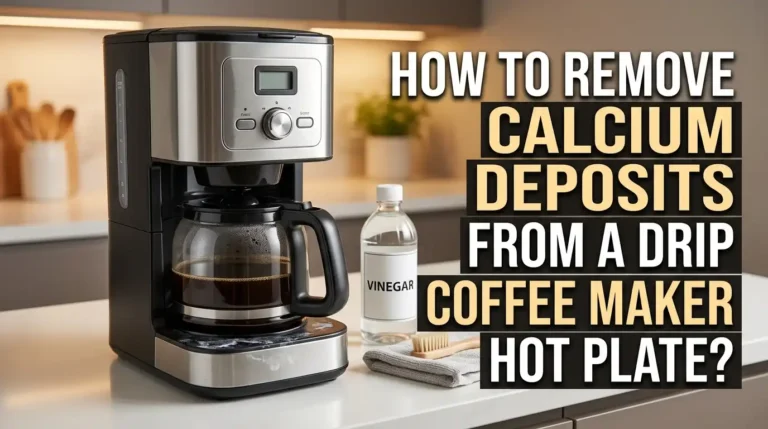
Mineral buildup is often the hidden culprit. Scale can coat the heating element over time. This buildup blocks heat from transferring properly into your water.
In this guide, we will explore every reason your coffee maker brews lukewarm coffee. We will cover the ideal brewing temperature your machine needs. You will also learn simple troubleshooting steps to fix the issue.
In a Nutshell
- Scale buildup on the heating element stops it from heating water properly. This is one of the most common reasons behind weak, cool coffee.
- Your machine needs water between 195°F and 205°F for proper extraction. Anything lower means flat, lukewarm results.
- A faulty thermostat or thermal fuse can quietly limit how hot your machine gets, even if everything else works fine.
- Restricted water flow from clogged tubes or blocked filters can cause uneven heating during brewing.
- Simple habits, like using cold water or stale beans, can also affect the final temperature of your cup.
- Some machines, like certain Nespresso models, brew naturally cooler than others. This is normal for their design, not a defect.
- Regular descaling and checking your machine’s internal parts can prevent most of these issues. A little maintenance goes a long way toward keeping your coffee hot and satisfying every time.
Why Brewing Temperature Matters for Great Coffee
Water temperature is the foundation of good coffee extraction. When water is too cold, it cannot pull out the flavors and oils from your ground beans properly. The result is weak, bland coffee that tastes nothing like what you expect.
The ideal brewing temperature sits between 195°F and 205°F. This range allows hot water to dissolve the right amount of coffee compounds. Too much heat can burn your beans and create bitter flavors. Too little heat leaves your coffee tasting sour and underdeveloped.
When your machine brews lukewarm coffee, the extraction process breaks down completely. Your beans release fewer of their desirable flavors and aromatic oils. What you get instead is a cup that feels disappointing and tastes flat.
Temperature consistency matters just as much as hitting the right number. If your machine heats water to 200°F but then cools it during the brewing process, extraction suffers. Uneven heating throughout the brew cycle creates inconsistent results from cup to cup.
Many coffee lovers don’t realize how sensitive the brewing process is to temperature changes. A drop of just 10 degrees can noticeably affect your coffee’s taste and body. This is why machines with failing heating systems produce such poor results.
Understanding this connection helps you troubleshoot problems more effectively. If your coffee tastes weak or sour alongside being lukewarm, temperature is likely your main issue. If it tastes bitter but stays cold, you might have a different problem entirely.
Getting your water temperature right transforms your entire coffee experience. It’s the single most important factor in brewing quality coffee at home.
Mineral Scale Buildup and Its Effect on Heating
Mineral scale buildup acts like an insulating blanket around your heating element. This layer prevents heat from transferring efficiently to the water inside your machine. Over time, minerals from tap water accumulate on metal surfaces, creating a barrier that blocks thermal energy.
When scale coats the heating element, your machine must work much harder to reach proper brewing temperatures. The element generates heat, but the mineral layer absorbs and traps much of that energy. This means water passes through at lower temperatures than your machine is actually producing.
The thicker the scale, the worse the problem becomes. A machine with heavy mineral buildup might only deliver water at 170°F instead of the required 195°F to 205°F range. This temperature drop directly impacts coffee extraction and flavor.
Scale buildup also restricts water flow through internal tubes and chambers. Slower water movement means less time for heating to occur. The water rushes through before reaching optimal temperature, resulting in lukewarm coffee in your cup.
Different water sources create different amounts of scale. Hard water with high mineral content builds up much faster than soft water. If you live in an area with hard water, you’ll notice this problem sooner.
Regular descaling removes mineral deposits before they become severe. This process dissolves scale buildup and restores your heating element’s efficiency. Most machines need descaling every one to three months, depending on your water hardness.
Without descaling, scale continues accumulating and your machine’s performance steadily declines. The heating element loses efficiency gradually, so you might not notice the change immediately. Eventually, lukewarm coffee becomes your new normal.
Heating Element, Thermal Fuse, and Thermostat Failures
When your heating element fails, it stops converting electricity into heat. The element itself is a metal coil or tube that warms water before brewing. If this component burns out or develops internal damage, your machine cannot reach the proper temperature range.
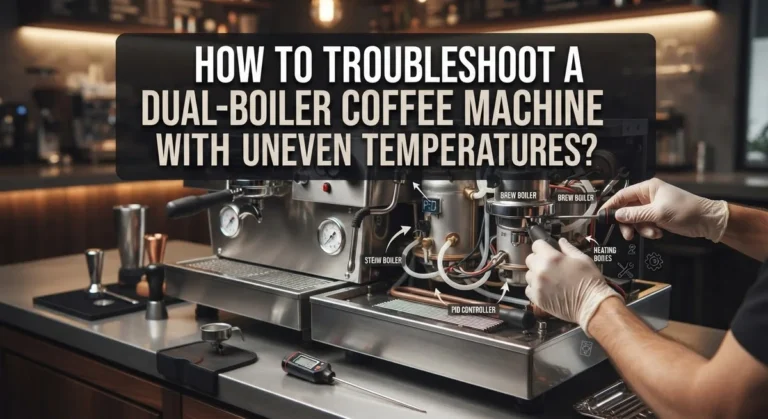
A thermal fuse acts as a safety device inside your coffee maker. It cuts power to the heating element if temperatures get too high. When this fuse fails or trips prematurely, it prevents the heating element from working at full capacity. Your machine then brews at lower temperatures than intended.
The thermostat monitors water temperature and signals the heating element to turn on or off. A broken thermostat gives incorrect temperature readings. Your machine might think the water is hot enough when it actually isn’t. This causes the heating element to stop heating too early, leaving your coffee lukewarm.
These three components work together as a system. If any one fails, the entire brewing process suffers. You may notice your machine takes longer to brew or makes strange sounds. The water might also feel less hot than usual when it exits the brew head.
Testing these parts requires opening your machine carefully. Look for visible damage, corrosion, or burn marks on the heating element. Check if the thermal fuse shows discoloration or breaks. A multimeter can test whether the thermostat responds to temperature changes correctly.
Replacing these components restores proper heating function. Most machines have these parts readily available as replacements. Installation varies by model, so check your manual for specific instructions. Professional repair services can also diagnose and replace these components if you’re uncomfortable doing it yourself.
Restricted Water Flow and Blocked Brew Paths
Restricted water flow and blocked brew paths are common culprits behind lukewarm coffee. When water cannot move freely through your machine, it spends less time in contact with the heating element. This means the water never reaches the proper temperature before it reaches your coffee grounds.
Mineral deposits build up inside the internal tubes and chambers of your coffee maker. These deposits narrow the pathways that water travels through. Thicker blockages mean slower water flow. When water moves slowly, it cools down as it travels. By the time it reaches your grounds, the temperature has already dropped significantly.
Brew path blockages occur in several locations. Scale can accumulate in the water inlet tube, the heating chamber, and the spray head. Each blockage reduces water pressure and flow rate. Your machine struggles to push water through the narrowed passages.
You can check for restricted water flow by observing how quickly water drips from the spray head. Slow dripping indicates a serious blockage. Normal brewing should produce steady water flow across your grounds. If water barely trickles through, your brew paths need cleaning.
The spray head deserves special attention. Mineral deposits clog the small holes that distribute water evenly. When these holes become blocked, water finds alternative paths and may bypass some grounds entirely. This uneven distribution also contributes to temperature problems.
Regular maintenance prevents these blockages from forming. Descaling solutions dissolve mineral deposits before they accumulate into serious obstructions. This keeps water flowing freely and maintains proper contact time with heat sources. Preventive care is far easier than fixing severe blockages. If your machine already shows signs of restricted flow, descaling should be your first troubleshooting step.
Everyday Mistakes That Lead to Lukewarm Coffee
You might be making simple mistakes that cool your coffee before it even reaches your cup. These everyday errors happen more often than you’d think, and fixing them takes just a few minutes.
Using cold water instead of hot water is the first mistake many people make. Your machine needs to start with cold water so it can heat it properly, but some people add pre cooled water from the refrigerator. This extra cold water forces your heating element to work overtime just to reach the right temperature range of 195 to 205 degrees Fahrenheit.
Not grinding your beans fresh is another common problem. Stale grounds or pre ground coffee that’s been sitting around create more resistance inside your machine. This resistance slows down water flow and reduces contact time between water and grounds. Your coffee brews faster but at lower temperatures, leaving you with a lukewarm cup.
Allowing thermal shock to happen damages your brewing temperature too. Thermal shock occurs when you pour hot brewed coffee into a cold mug or carafe. The sudden temperature change cools your coffee rapidly. Always warm your mug with hot water before pouring fresh coffee into it.
Leaving your coffee on a warming plate for too long causes another issue. Many machines have warming plates that maintain temperature, but these plates often run cooler than ideal brewing temperatures. Your coffee sits at around 140 to 160 degrees Fahrenheit instead of the proper hot range.
Finally, ignoring your machine’s age matters more than people realize. Older machines lose heating efficiency over time. Components wear out gradually, and your machine might still brew but at lower temperatures than when it was new. Paying attention to these everyday mistakes helps you enjoy hotter, better tasting coffee.
Step-by-Step Troubleshooting for a Cool-Brewing Machine
Start by checking your machine’s water reservoir. Make sure it contains fresh, room temperature water before brewing. Cold water takes longer to heat, and your machine might not reach the proper 195 to 205 degrees Fahrenheit needed for good extraction.
Next, run a test brew without coffee grounds. Observe the water temperature as it flows into your cup. If the water feels lukewarm, your heating system likely has an issue. If it feels hot but your finished coffee is cool, the problem lies elsewhere in the brewing process.
Inspect the spray head above the filter basket. Mineral deposits often clog this component, preventing hot water from spreading evenly over your grounds. A clogged spray head means some grounds get cooler water, resulting in weak, lukewarm coffee. Look for white or brown crusty buildup around the holes.
Check your machine’s age and usage history. Older machines lose heating efficiency over time. Components wear down, and internal seals deteriorate. If your machine is several years old and has heavy daily use, heating problems become more likely.
Listen to your machine during brewing. A healthy coffee maker produces consistent gurgling and dripping sounds. Unusual silence or irregular sounds suggest water flow problems or heating element issues.
Test the warming plate if your machine has one. Place a thermometer on the plate and monitor temperature. A faulty warming plate won’t keep brewed coffee hot, making it seem like a brewing problem when it’s actually a warming problem.
Document what temperature your machine produces. Compare it against your machine’s specifications. This information helps you identify whether the issue is normal for your model or truly abnormal.
Preventive Maintenance to Keep Coffee Hot
Preventive maintenance stops your coffee maker from brewing lukewarm coffee before problems start. The key is keeping your machine clean and functioning properly throughout its lifetime.
Descale your coffee maker regularly to remove mineral buildup. Hard water leaves deposits inside the heating element and internal tubes. These minerals act as insulators, preventing heat from reaching your water. Descaling removes this buildup and restores proper temperature. Most experts recommend descaling every one to three months, depending on your water hardness.
Use filtered or distilled water when possible. This reduces mineral accumulation significantly. Tap water contains minerals that build up faster in your machine. Filtered water keeps your heating system cleaner and more efficient.
Check your water quality at home. Hard water areas need more frequent descaling. You can test your water hardness with simple kits available at most stores. Knowing your water type helps you plan maintenance schedules.
Replace worn seals and gaskets as needed. Damaged seals allow water to bypass the heating chamber, resulting in cooler coffee. Inspect rubber components regularly for cracks or deterioration.
Monitor your heating system’s performance over time. Keep track of brewing temperatures if your machine has a display. Notice any gradual changes in heat output. Early detection prevents complete heating failures.
Clean your spray head and brew basket weekly. Buildup in these areas restricts water flow and reduces brewing temperature. A quick rinse removes coffee residue and prevents blockages.
Store your machine in a dry location. Moisture and humidity can damage electrical components and the heating element. Proper storage extends your machine’s lifespan.
Regular maintenance is cheaper than repairs. Spending a few minutes each month on cleaning prevents costly heating system failures and keeps your coffee hot and delicious every single time.
Machine-Specific Temperature Differences to Know
Different coffee maker models brew at different temperatures. Understanding your specific machine helps you identify whether lukewarm coffee is normal or a real problem.
Some machines brew cooler by design. Certain brands and models produce coffee that sits below the ideal 195 to 205 degrees Fahrenheit range. This happens because manufacturers use different heating systems and brew cycles. Your machine might simply have a lower baseline temperature than others. Check your owner’s manual to see what temperature your model should reach.
Drip coffee makers typically brew hotter than single serve pod machines. Pod machines often brew at lower temperatures to speed up the process. French press coffee makers depend on water temperature you add yourself. Turkish coffee pots brew extremely hot. Espresso machines have their own temperature requirements. Each type has different expectations.
Compare your machine against its own baseline. If your coffee maker always produced hot coffee and suddenly brews lukewarm, that signals a real problem. If your machine has always brewed slightly cooler, that might be normal for that model.
The heating element size matters too. Smaller heating elements warm water more slowly. Larger elements heat water faster and maintain higher temperatures. Machines with bigger reservoirs take longer to heat all the water inside.
Thermal fuses and thermostats vary between models. Some machines have simple on and off switches. Others use precise temperature controls. A faulty thermostat in your specific model might allow water to cool before brewing starts.
Check your machine’s manual or manufacturer website to learn its intended brewing temperature. This tells you whether your lukewarm coffee is a malfunction or just how your particular model operates.
Final Thoughts
Lukewarm coffee happens for clear reasons. Mineral buildup, water flow problems, and heating system failures all play a part. Knowing these causes helps you fix the problem fast.
Temperature matters for good coffee. Your machine needs to hit 195 to 205 degrees Fahrenheit. Anything lower means weak extraction and flat taste.
Most lukewarm coffee problems have simple fixes. A good descaling session often solves the issue completely. Fresh water and clean parts keep your machine running well.
Sometimes the fix takes more effort. A failing heating element or broken thermostat needs replacement. These parts wear out over years of daily use.
Testing your machine regularly catches problems early. Check water temperature every few months. This habit helps you spot changes before they become bigger issues.
Don’t ignore small warning signs. Slower brew times or odd noises signal trouble ahead. Address these signs quickly to avoid bigger repairs later.
Your coffee maker’s age affects its performance too. Older machines struggle more with heating consistency. Budget for replacement parts or a new machine as years pass.
Remember that different machines brew at different temperatures naturally. Some models run cooler by design. Compare your results against what your specific machine should produce.
Simple maintenance saves money over time. Cleaning and descaling cost little compared to repairs. A few minutes each month protects your investment long term.
Lukewarm coffee doesn’t have to be permanent. Most causes are fixable with basic troubleshooting steps. Patience and regular care keep your coffee hot and your mornings better.
Take action today if your coffee tastes cool. Small changes now prevent bigger headaches later. Hot coffee is worth the effort.
Frequently Asked Questions
Why does my coffee maker brew at lower temperatures than before?
Your machine likely has mineral scale buildup inside the heating element. This buildup acts like insulation and prevents heat from transferring properly to the water. Over time, minerals from tap water accumulate and reduce brewing temperature. The heating system itself may also be aging and losing efficiency.
What temperature should my coffee actually be?
Proper coffee extraction happens between 195 and 205 degrees Fahrenheit. Below this range, your coffee tastes weak and flat. The water doesn’t extract enough flavor from the grounds. If your machine brews below 195 degrees, something needs attention.
Can a thermal fuse cause lukewarm coffee?
Yes. The thermal fuse or thermostat controls when your heating element turns on and off. If either component fails or malfunctions, your machine won’t heat water to the right temperature. These parts wear out over time and may need replacement.
Does water flow speed affect brewing temperature?
Absolutely. When water moves too slowly through the machine, it cools down before reaching your cup. Blockages in the brew path or spray head restrict water flow. Cleaning these areas helps water move at the proper speed and stay hot.
Should I use cold water or hot water to fill my machine?
Always use cold water for drip and automatic coffee makers. Cold water forces the machine to heat water to the correct temperature. Using hot tap water skips this heating step and results in lukewarm coffee.

Hi, I’m Luna! I’m the voice behind CoffeePickster.com. I’m a coffee obsessive who’s spent way too many hours (and dollars) testing coffee makers so you don’t have to. I created this blog to help fellow coffee lovers find the right gear without the guesswork. Let’s brew something great together!