
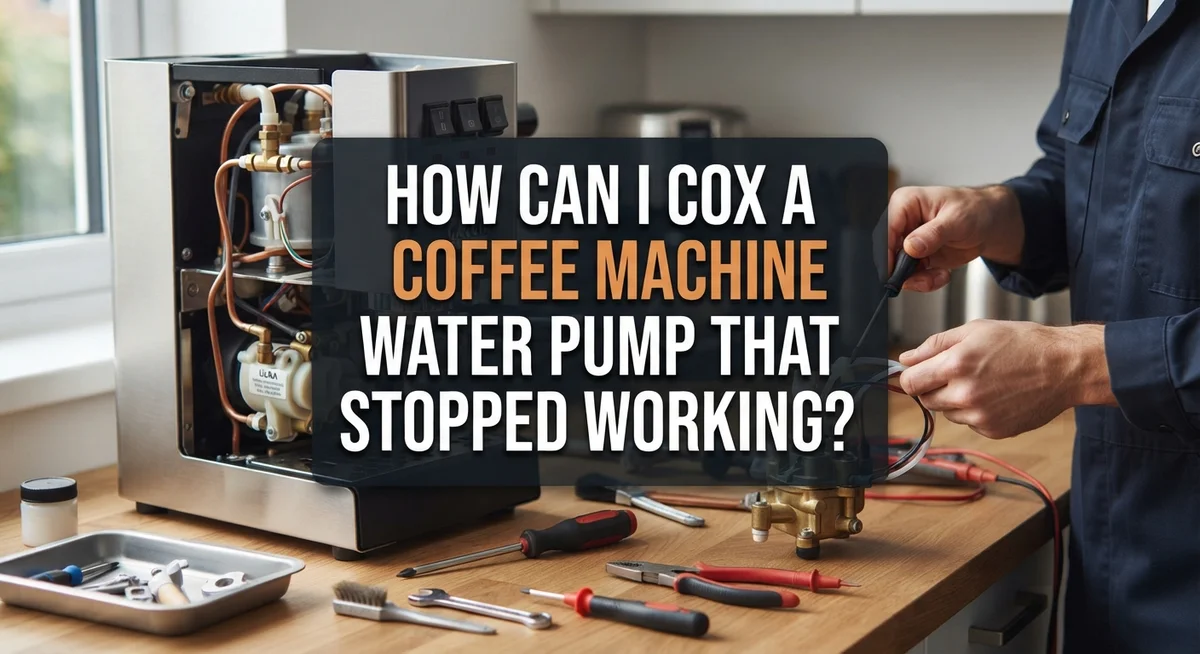
How to Fix a Coffee Machine Water Pump That Stopped Working?
Your morning routine grinds to a halt when the coffee machine water pump stops working. You press the button. Nothing happens. No water flows, and no coffee brews.
This problem frustrates many coffee lovers. The good news is that you can often fix it yourself. Most water pump issues come from simple causes.
Mineral buildup is a common culprit. Clogs in the water lines also stop water flow. Sometimes, the pump motor itself fails completely.
This guide walks you through practical steps to diagnose the issue. You will learn how to prime the system correctly. We also cover descaling methods that clear mineral deposits fast.
You will discover how to inspect the spray nozzle and water lines for blockages. We explain what unusual pump noises mean for your machine. These sounds often signal early warning signs.
By the end, you will know when a simple fix works. You will also understand when replacing the pump makes more sense. Let’s get your coffee machine pumping again.
In a Nutshell
Check for mineral buildup first. This is the most common reason a pump stops working. A simple descaling session with a vinegar solution often solves it.
Prime the system. Sometimes the pump just needs a little help to start pulling water again. This step fixes many sudden failures.
Inspect the spray nozzle and water lines. Clogs in these areas block water flow. Clean them gently to restore normal function.
Listen for unusual motor noise. Grinding or buzzing sounds often signal a failing pump motor. This is an early warning sign you should not ignore.
Decide between repair and replacement. If the pump motor is truly defective, replacing it is usually the better option. Weigh the cost against your machine’s value.
Maintain a regular descaling routine. This simple habit prevents future pump problems and keeps your machine running smoothly for longer.
Understanding How a Coffee Machine Water Pump Works
A coffee machine water pump is a small motor that pushes water from the reservoir through your machine’s internal lines. Understanding how it works helps you troubleshoot problems effectively.
The pump sits near the water tank and connects to a series of tubes. When you turn on the machine, electricity powers the motor. This motor spins a mechanism that creates pressure, forcing water upward through the lines toward the spray nozzle and group head.
The pump relies on consistent water flow to function properly. When mineral deposits build up inside the lines, they restrict this flow. The pump must work harder to push water through the blockage. Over time, this extra strain can damage the motor.
The spray nozzle distributes water evenly over your coffee grounds. If this nozzle clogs, water backs up in the system. The pump then struggles to maintain proper pressure.
Your machine also has a one way valve inside the pump. This valve allows water to flow in one direction only. If this valve gets stuck or blocked, water cannot move through the system at all.
Regular use creates ideal conditions for mineral accumulation. Hard water contains more minerals, which deposit faster inside the pump and lines. These deposits narrow the internal passages where water travels.
A healthy pump should run quietly with a smooth humming sound. Strange noises like grinding or loud buzzing indicate mechanical problems. These sounds suggest the motor is straining against resistance or wearing out internally.
Understanding these basics helps you identify whether your pump needs cleaning, priming, or replacement. Most pump failures stem from preventable mineral buildup rather than motor defects.
Common Causes of Water Pump Failure
A coffee machine water pump stops working for several distinct reasons. Understanding these causes helps you fix the problem quickly and avoid future breakdowns.
Mineral deposits form inside water lines and the pump chamber over time. Hard water contains minerals like calcium and magnesium. These minerals stick to internal surfaces and restrict water flow. The pump must work harder to push water through narrowed passages. Eventually, the pump cannot overcome the blockage and stops delivering water entirely.
Clogs in the system occur when debris enters the water lines. Small particles from the water tank or mineral fragments lodge inside tubes and valves. A clogged spray nozzle prevents water from reaching your coffee grounds. The one way valve inside the pump may also trap debris and fail to open properly.
Pump motor failure happens when the motor burns out or loses power. The motor can fail from age, overuse, or electrical issues. A defective motor produces grinding or buzzing sounds before it stops completely. Once the motor fails, water cannot be pumped through the system.
Air pockets in the water lines prevent the pump from priming correctly. Air bubbles trap inside tubes and block water movement. The pump runs but pushes only air, not water. This often happens after the machine sits unused for several days.
Loose or disconnected tubing breaks the water pathway. Vibration from regular use can loosen tube connections. Water leaks out instead of flowing to the coffee basket. Inspect all visible tubing for separation or damage.
Each cause requires a different solution. Identifying which problem affects your machine guides you toward the right fix.
Step-by-Step: Priming the Pump and Water System
Priming your coffee machine’s water system means forcing water through the pump and lines to restore normal flow. This simple process works when air pockets block the pump from pulling water properly.
Start by filling your water reservoir completely. Air trapped inside the lines prevents the pump from functioning, so you need to remove it manually. Turn on your machine and let it run for 10 to 15 seconds without brewing anything. This initial run pushes air out of the system.
If water still doesn’t flow, try the manual prime method. Locate the water inlet tube at the back of your machine where it connects to the pump. Gently squeeze this tube several times to force water through. Stop if you feel strong resistance. Continue squeezing until water flows smoothly through the outlet.
Next, run your machine again for another 10 seconds. Listen for the pump motor. A healthy pump makes a soft humming sound as it operates. If you hear grinding or buzzing noises, the motor may have damage.
Repeat the squeezing process if water flow remains weak. Sometimes you need multiple attempts to fully clear air pockets. Between attempts, wait 30 seconds for the system to settle.
Once water flows freely, run a complete brewing cycle without coffee grounds. This confirms the pump works correctly throughout the entire process. Regular priming prevents many pump problems before they start.
If priming doesn’t restore water flow after three attempts, your issue likely stems from mineral buildup or motor failure. Move forward with descaling or inspection steps to identify the real problem.
Descaling Your Machine to Clear Mineral Buildup
Mineral buildup is the most common reason your coffee machine’s water pump stops working. Hard water contains minerals like calcium and magnesium. These minerals deposit inside your pump, water lines, and spray nozzle over time.
Descaling removes these deposits and restores water flow. Start by filling your water reservoir with a descaling solution. Most descaling solutions use citric acid or vinegar as the active ingredient. The acidic liquid dissolves mineral buildup without damaging your machine’s internal parts.
Run your machine for about 10 seconds, then stop. Let the solution sit inside the pump and lines for 15 to 20 minutes. This waiting period allows the acid to break down stubborn deposits. Run the machine again for another 10 seconds.
Repeat this cycle three or four times until the solution runs clear. Empty your reservoir completely after descaling. Refill it with fresh water only. Run several brewing cycles with just water to rinse out any remaining descaling solution.
Pay special attention to your spray nozzle during this process. Mineral deposits often clog this small opening first. Use a thin needle or small brush to gently clear any visible blockages. Hold the nozzle under running water to flush out loosened particles.
Descaling typically takes 30 to 45 minutes from start to finish. Most machines need descaling every 2 to 3 months, depending on your water hardness. If your water is very hard, descale monthly to prevent future pump problems.
After descaling, your pump should hum smoothly and water should flow freely again. If water still doesn’t flow after descaling, your issue likely involves a clog deeper in the system or motor failure requiring further inspection.
Inspecting and Cleaning the Spray Nozzle and Water Lines
Your spray nozzle and water lines collect mineral deposits and debris over time. These blockages stop water from reaching your coffee basket. Inspecting and cleaning these parts often solves your pump problem.
Start by removing your spray nozzle from the machine. Most nozzles twist or pull out easily. Hold it up to a light and look through the small holes. You should see clear passages. If holes appear blocked or discolored, mineral buildup is present.
Soak your spray nozzle in a bowl of white vinegar for 15 to 20 minutes. Vinegar dissolves mineral deposits naturally. After soaking, use a thin wire or paperclip to gently poke through each hole. Push slowly to avoid damaging the nozzle. Rinse thoroughly under running water.
Next, inspect the water lines connected to your pump. Look for visible cracks, kinks, or loose connections. Water lines should feel flexible, not brittle or cracked. Check where lines connect to the pump and water reservoir. Tighten any loose connections by hand or with a wrench if needed.
Run water through the lines manually to check for blockages. Disconnect the line from the pump outlet. Hold it over a sink and pour water in from the reservoir end. Water should flow steadily. Slow or no flow means mineral buildup inside the line.
For stubborn blockages, soak the water line in vinegar for 30 minutes. You can also flush it with hot water mixed with vinegar. Reattach everything securely once cleaned.
Reinstall your spray nozzle and run your machine with water only. Smooth water flow means you’ve cleared the obstruction. Your pump should now work normally again.
Diagnosing Pump Motor Issues and Unusual Noises
When your coffee machine stops pumping water, the pump motor itself might be the culprit. Learning to identify motor problems helps you decide whether repair or replacement makes sense.
Listen carefully to your machine. A healthy pump motor produces a quiet, steady hum when running. If you hear grinding, squealing, or rattling sounds, your motor likely has internal damage. These noises mean the pump’s internal parts are failing. You should stop using the machine immediately to prevent further damage.
Check if the motor runs at all. When you turn on your machine, does the pump make any sound? If complete silence occurs, the motor may have lost power or burned out. A motor that makes noise but produces no water flow suggests internal wear or seized components.
Feel the pump housing carefully. A very hot pump indicates electrical strain or friction problems. Normal operation produces slight warmth only. Excessive heat signals that replacement is necessary soon.
Test the motor’s response time. When you press the brew button, does the pump respond immediately or with delay? Sluggish response suggests motor weakness. The pump should activate within one or two seconds.
Important distinction: A defective motor differs from a clogged system. If descaling and priming didn’t restore water flow, and you hear no motor sounds, replacement is likely your only option. Motors cannot be repaired effectively at home.
Document the exact sounds and behaviors you observe. This information helps you determine if professional service is worthwhile. Many coffee machines cost less to replace than to repair when the motor fails completely. However, if your machine is relatively new or expensive, professional repair may be cost effective. Compare the repair estimate against the machine’s replacement price before deciding.
Avoiding Common Mistakes During Repair
When you repair your coffee machine’s water pump, avoiding mistakes saves you time and frustration. Here are the most important errors to sidestep.
Don’t skip the priming step. Many people jump straight to descaling without priming first. Priming removes air from the system and often restores water flow immediately. Attempt priming at least three times before moving to other solutions.
Avoid ignoring early warning signs. If your pump makes unusual grinding or squealing noises, stop using the machine. These sounds indicate the motor is struggling. Continuing to run the machine can cause permanent damage to the pump motor itself.
Don’t assume the problem without investigating. Some people replace their pump when mineral buildup is actually the culprit. Always descale first. This simple step fixes most water pump issues and costs far less than replacing parts.
Never neglect regular maintenance. Skipping descaling leads to mineral deposits that eventually block water flow completely. Descale your machine every one to three months, depending on your water hardness.
Don’t force water through clogged lines. If you notice weak water flow, resist the urge to increase pressure. This strains the pump motor. Instead, soak affected parts in vinegar to dissolve blockages gently.
Avoid mixing cleaning solutions. Use only vinegar or approved descaling solutions. Mixing chemicals can damage internal components and create harmful fumes.
Don’t reassemble parts without inspecting them. When you remove your spray nozzle or water lines, examine them carefully for cracks or mineral buildup. Replace damaged parts before reassembling.
Taking time to identify the actual problem prevents costly mistakes and keeps your coffee machine running smoothly.
Preventive Maintenance to Keep Your Pump Running
Regular maintenance stops most pump problems before they start. Descaling your machine every one to three months removes mineral buildup that restricts water flow and strains your pump motor.
Use a vinegar solution for descaling. Mix equal parts white vinegar and water, then run the solution through your machine as if brewing coffee. Let it sit in the reservoir for 15 minutes. Run the solution through again. Finally, fill the reservoir with fresh water and run several cycles to rinse completely.
Clean your water filter regularly. Many machines have replaceable filters that catch sediment and minerals. A clogged filter forces your pump to work harder and fail faster. Rinse your filter under running water weekly or replace it monthly depending on your water quality.
Check your water lines for kinks or damage. Bent tubes restrict water flow and stress your pump. Straighten any kinked lines gently. Replace cracked or leaking tubes immediately.
Prime your pump before each use if your machine sits unused for more than a week. Fill the water reservoir and press the brew button for a few seconds without the filter basket installed. This fills empty lines and prepares the pump.
Listen to your pump regularly. A healthy pump makes a quiet, steady humming sound. Grinding, squealing, or sputtering noises signal problems developing. Address these sounds immediately rather than waiting for complete failure.
Store your machine properly during long breaks. Empty the water reservoir completely. Run the machine dry to remove water from internal lines. This prevents mineral deposits from hardening inside tubes and the pump.
These simple steps keep your pump working smoothly for years.
Final Thoughts
Fixing a coffee machine water pump often comes down to patience and careful observation. Most problems start small. A little mineral buildup or a small clog can stop your pump from working properly.
The good news is that many pump issues have simple fixes. Priming, descaling, and cleaning solve most problems without needing a replacement part.
If you notice strange noises or weak water flow, act quickly. Waiting too long can turn a small fix into a bigger repair job.
Think about your machine’s age and value before spending money on repairs. Sometimes a new pump costs less than you expect. Other times, buying a new machine makes more sense.
Testing your pump step by step helps you find the real problem. Rushing through repairs often leads to wasted effort and missed solutions.
Keep your tools simple. Vinegar, water, and basic cleaning supplies handle most pump issues. You rarely need special equipment for common fixes.
Remember that consistency matters more than perfection. Regular care keeps your machine running longer than any single repair session.
If your pump motor still fails after trying every step, replacement becomes the practical choice. Trying to force a broken motor to work only causes more frustration.
Every coffee machine has its own quirks. Learning how yours behaves helps you catch problems early next time.
With a bit of practice, you will handle pump issues confidently. Your coffee machine can serve you reliably for years when you give it proper attention.
Small efforts today prevent bigger headaches tomorrow. Keep your pump clean, listen to your machine, and act fast when something feels off.
Frequently Asked Questions
Why did my coffee machine pump suddenly stop working?
Your pump stops working for three main reasons. Mineral buildup clogs the internal lines and blocks water flow. Debris or sediment gets stuck in the pump inlet. Motor failure happens when the pump burns out from age or overuse.
Start by checking which issue you have. Listen to the pump when you turn on the machine. Does it make noise? If yes, the motor runs but water won’t flow (likely mineral buildup). If it makes no sound at all, the motor itself may be dead.
How do I know if my pump needs cleaning versus replacement?
Test your pump with a simple priming method first. Fill the water tank and press the brew button for 3 seconds, then release. Repeat this 5 to 6 times without coffee grounds. Water should flow out.
If water flows after priming, you need descaling. If nothing happens and the motor stays silent, the pump motor likely failed and needs replacement. If the motor hums but no water comes out, mineral deposits are blocking the lines.
Can I fix a clogged pump myself?
Yes, most clogs clear with descaling. Mix equal parts white vinegar and water. Pour this solution into your water tank and run it through the machine for 10 seconds at a time. Stop and let it sit for 15 minutes. Repeat the process 3 to 4 times until the vinegar smell fades.
After descaling, run fresh water through the machine several times to rinse completely. This removes mineral deposits that restrict water movement.
What should I do if the pump motor is broken?
If your motor won’t run and makes no sound, replacement is your best option. The pump motor cannot be repaired once it fails. Consider the age of your machine and repair cost before deciding. Older machines may not be worth fixing.

Hi, I’m Luna! I’m the voice behind CoffeePickster.com. I’m a coffee obsessive who’s spent way too many hours (and dollars) testing coffee makers so you don’t have to. I created this blog to help fellow coffee lovers find the right gear without the guesswork. Let’s brew something great together!