How to Stop a Drip Coffee Maker From Leaking From the Bottom?
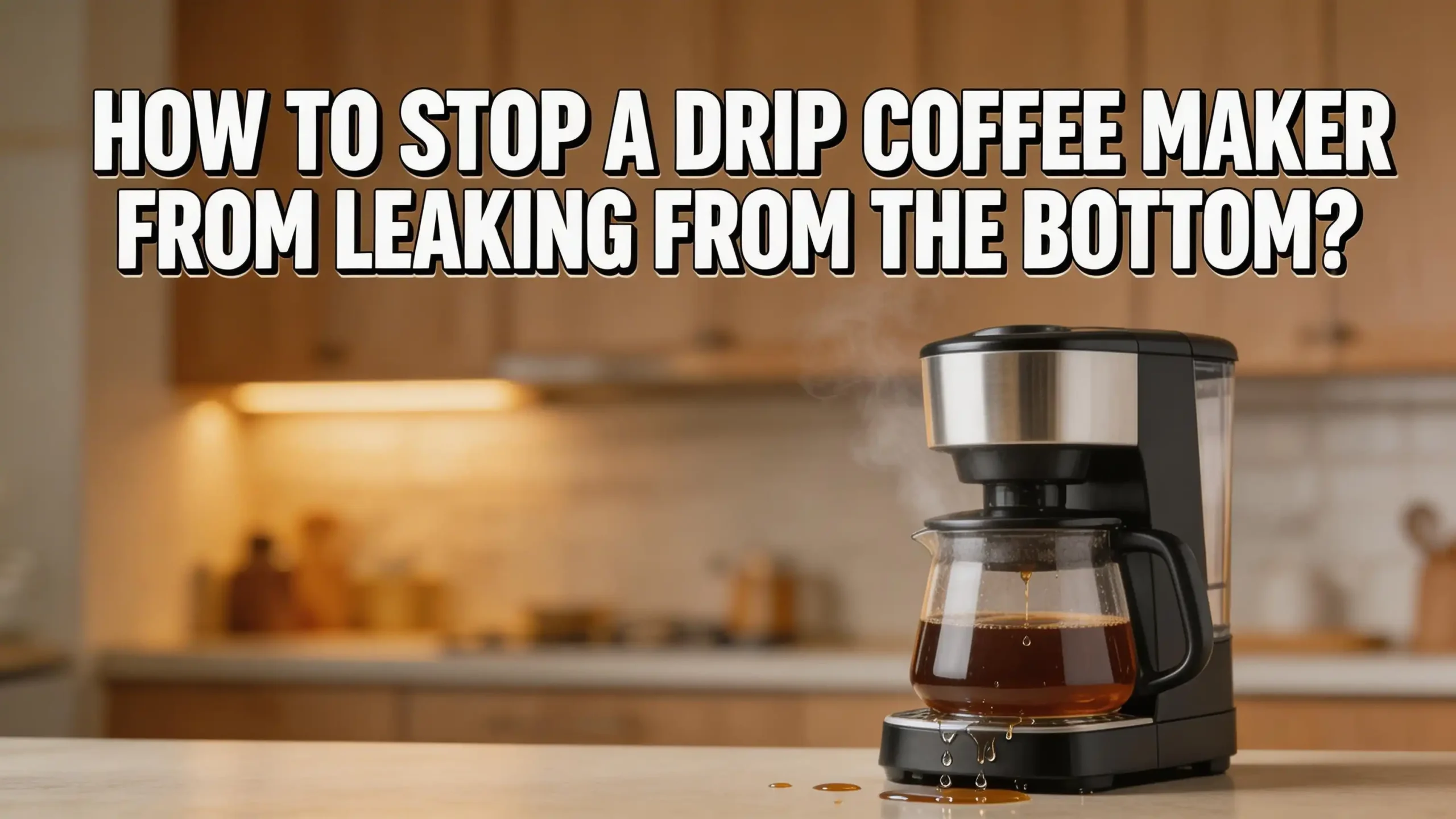
You wake up, walk to the kitchen, and find a puddle of water sitting under your coffee maker. It is frustrating, messy, and confusing. A drip coffee maker leaking from the bottom is one of the most common issues home brewers face.
The good news? Most of the time, this problem does not mean your machine is broken beyond repair.
In this guide, you will learn exactly why your coffee maker leaks from the bottom and how to fix it step by step. Each section gives you clear, practical actions so you can stop the leak today.
Key Takeaways
- A bottom leak does not always start at the bottom. Water often escapes from a higher point like the brew basket, reservoir valve, or lid area. It then runs down the housing and pools under the machine. Always trace the leak path upward before assuming the base is cracked.
- Check the water reservoir first. A cracked tank, worn valve, or poorly seated reservoir causes many bottom leaks. Remove the reservoir, inspect its seams and seal area, and test it with a small amount of water outside the machine.
- Mineral buildup creates hidden pressure problems. Scale deposits inside the water lines, boiler, and valve can block normal flow. This forces water out through weak seals or joints. Regular descaling prevents this from becoming a leak source.
- The brew basket and carafe alignment matter more than you think. A folded filter, overfilled grounds, or a lid that sits crooked can cause overflow. That overflow runs down and looks exactly like a bottom leak.
- Worn gaskets and seals are cheap to replace. The rubber gasket on the brew basket or boiler often wears out over time. A replacement costs very little and takes minutes to install.
- Safety comes first. If water reaches the electrical components or the base near the power cord, unplug the machine immediately. Do not continue brewing until you identify and fix the source.
Why Does a Drip Coffee Maker Leak From the Bottom
A drip coffee maker moves water from the reservoir through a heating element and up into the brew basket. This path includes several connection points, valves, tubes, and seals. Any weak spot along this route can let water escape.
The water then travels downward through gravity. It follows the inside of the housing, runs along seams, and collects at the lowest point, which is the base. That is why the puddle always appears at the bottom even if the actual leak started higher up.
Common causes include a cracked water tank, a degraded rubber seal, loose internal tubing, clogged water lines, and overflow from the brew basket area. Age, heat exposure, and mineral deposits all weaken these components over time. A machine that worked perfectly for years can suddenly start leaking because a gasket finally gave out.
Understanding this basic water path helps you troubleshoot faster. Instead of guessing, you can follow the water’s route and pinpoint the exact failure point. This saves time and prevents unnecessary repairs or replacements.
How to Identify Where the Leak Actually Starts
Before you fix anything, you need to confirm the real source of the leak. Many people replace the wrong part because they assume the puddle location equals the leak location. That assumption is often wrong.
Start by unplugging the coffee maker and emptying all water and grounds. Wipe the entire machine dry, including the bottom, sides, reservoir area, brew basket, and carafe platform. Now refill the reservoir with just a small amount of water and place it back on the machine.
Watch closely. Does water appear before you start brewing? If so, the problem is likely the reservoir, its valve, or its seal. If water only appears during or after brewing, the cause is probably pressure related, overflow related, or connected to an internal hose.
Check the color of the liquid. Clear water suggests a leak on the clean water side, such as the reservoir or internal tubing. Brown or coffee colored liquid points to the brew basket, filter, or carafe area. This simple observation cuts your troubleshooting time significantly.
Run your fingers along every seam, joint, and connection point while the machine operates. Feel for moisture. The first wet spot you find is usually closer to the real source than the puddle under the base.
Checking and Fixing a Cracked Water Reservoir
The water reservoir is one of the first parts to inspect. Cracks in the tank are a leading cause of bottom leaks in drip coffee makers. These cracks can be tiny and hard to spot with a quick glance.
Remove the reservoir from the machine. Fill it with water and hold it over a sink or towel. Look carefully at every seam, corner, and the bottom surface. Pay extra attention to the area around the outlet valve, as this spot takes the most stress during daily use. Even a hairline crack here will let water drip slowly and steadily.
For small cracks, a food safe epoxy can serve as a short term fix. Clean the area thoroughly, let it dry, apply the epoxy, and allow it to cure fully before testing. However, this repair has limits.
Pros of epoxy repair: Low cost, quick application, extends machine life temporarily.
Cons of epoxy repair: May not hold under repeated heat exposure, not a permanent solution, needs reapplication over time.
If the crack is large, runs along a structural seam, or the reservoir is warped from heat, replacement is the better choice. Contact the manufacturer or search for your exact model number to find a compatible replacement tank. A new reservoir restores a proper seal and eliminates the leak source completely.
Inspecting and Replacing Worn Gaskets and Seals
Rubber gaskets sit between key connection points in your coffee maker. The brew basket gasket and the boiler gasket are the two most important ones. Over time, heat and moisture cause these gaskets to crack, flatten, and lose their ability to form a tight seal.
Remove the brew basket and look at the rubber ring around it. If it is brittle, cracked, compressed flat, or no longer flexible, it needs to be replaced. A worn gasket lets water escape from the basket area. That water then travels down and ends up under the machine.
The boiler gasket sits deeper inside the machine. You may need to remove a panel or cover plate to access it. This gasket handles both heat and pressure during every brew cycle, so it wears out faster than you might expect. Check for warping, hardening, or visible damage.
Pros of gasket replacement: Inexpensive, easy on most models, restores full seal, prevents recurring leaks.
Cons of gasket replacement: Some models do not have user replaceable gaskets, finding the exact size can require research, incorrect installation can cause new leaks.
When buying replacement gaskets, silicone versions tend to last longer than basic rubber. Stick to OEM parts from the manufacturer if they are available for your model. Generic gaskets may fit loosely and degrade faster under heat.
Clearing a Clogged Water Inlet Valve
The water inlet valve controls how water flows from the reservoir into the heating system. Mineral deposits, sediment, and debris can clog this valve over time. When the valve cannot function properly, water pressure builds in the wrong areas and forces leaks through weak seals.
To check the inlet valve, unplug your coffee maker and remove the reservoir. Locate the valve opening where the tank connects to the machine body. Look for visible white or green buildup around the opening. Use a paper clip or soft bristled brush to gently clear any debris from the nozzle. Be careful not to scratch or damage the valve surface.
After clearing the visible blockage, flush the valve area with white vinegar. You can soak a cloth in vinegar and press it against the valve opening for several minutes. This helps dissolve mineral deposits you cannot see. Then run a full water only brew cycle to flush the loosened deposits through the system.
Pros of valve cleaning: No parts to buy, quick process, restores proper water flow, prevents pressure related leaks.
Cons of valve cleaning: May not work if the valve itself is damaged or warped, heavy buildup may require multiple treatments, some models have valves that are not easily accessible.
If cleaning does not restore normal flow and the leak continues, the valve itself may need replacement. Check your model’s parts availability before deciding.
How Mineral Buildup Causes Leaks and How to Descale
Mineral buildup, also called scale or limescale, forms inside your coffee maker every time you brew. Hard water accelerates this process significantly. Calcium and magnesium deposits coat the inside of water lines, the boiler, the heating element, and valve components.
This buildup does more than slow your brew time. It narrows the internal passages and creates back pressure. When water cannot flow through its normal route, it pushes against seals, joints, and connection points. Eventually, water finds a way out through the weakest spot. That is how scale buildup leads to a bottom leak.
To descale your machine, fill the reservoir with a 50/50 mixture of white vinegar and water. Run a full brew cycle without coffee grounds or a filter. Let the machine sit for 15 to 20 minutes with the vinegar solution inside to dissolve stubborn deposits. Then run two to three cycles with clean water to flush out all vinegar residue.
Pros of descaling: Removes buildup that causes pressure leaks, restores brew speed and flow, extends machine lifespan, very low cost.
Cons of descaling: Vinegar smell lingers if not rinsed enough, may loosen old deposits that temporarily create new blockages, does not fix a physically damaged seal or crack.
Descale your coffee maker every 30 to 90 days depending on your water hardness. This simple habit prevents scale from reaching the point where it causes leaks or other performance problems.
Fixing Overflow Issues From the Brew Basket
Sometimes the leak has nothing to do with seals, cracks, or internal plumbing. The brew basket overflows, and coffee runs down the outside of the machine and collects at the bottom. This creates a puddle that looks like a base leak but actually starts at the top.
Several things cause brew basket overflow. A folded or collapsed paper filter blocks the drain holes and forces water to rise over the edge. Too many coffee grounds restrict flow and have the same effect. Using the wrong filter size lets grounds escape into the drain area, which causes clogs.
The carafe lid also plays a role. Many drip coffee makers have a valve in the carafe lid that opens when the carafe sits on the warming plate. If the lid is missing, cracked, or placed incorrectly, the drip mechanism does not work properly. Coffee backs up in the basket and overflows.
To fix this, use the correct filter size for your machine. Fill grounds to the recommended level and no higher. Make sure the filter sits flat and is not folded along the edges. Confirm the carafe lid is intact and positioned correctly before every brew.
Pros of fixing overflow: No parts to buy in most cases, immediate results, easy to check every time you brew.
Cons of fixing overflow: Requires consistent attention to setup, does not help if the real cause is internal.
Checking Internal Hoses and Tube Connections
Inside every drip coffee maker, flexible tubes carry water from the reservoir to the heating element and up to the brew head. These tubes connect with friction fittings, clamps, or push on connectors. Over time, these connections can loosen from vibration, heat cycling, and normal wear.
A loose internal hose only leaks during brewing because that is when water flows through it under pressure. If your coffee maker is dry before brewing but produces a puddle during or after a cycle, an internal hose connection is a strong suspect.
To inspect the hoses, you will need to remove the bottom plate or back panel of the machine. Unplug the coffee maker first and let it cool completely. Most panels are held by a few screws. Once inside, look at every tube connection. Push each fitting firmly back into place. Check for cracked or split tubing.
If a tube is cracked or a connector is broken, you may be able to replace it with a matching piece of food safe silicone tubing from a hardware store. Cut the replacement to the correct length and push it onto the fitting securely.
Pros of hose repair: Addresses a common hidden leak source, inexpensive fix, extends machine life.
Cons of hose repair: Requires opening the machine, voids warranty on newer models, not all users are comfortable with internal repairs.
If the internal components look corroded, heavily scaled, or damaged in multiple places, replacing the entire machine may be more practical than repairing individual parts.
What to Do if the Leak Appears After Descaling or Cleaning
A frustrating scenario happens when your coffee maker starts leaking right after you cleaned or descaled it. This does not mean the cleaning caused damage. It usually means a part was not reassembled correctly or the cleaning process disturbed an already weak component.
After descaling, loosened mineral deposits can travel through the system and temporarily block a valve or narrow passage. This creates a brief pressure increase that pushes water through a marginal seal. Running several clean water cycles usually flushes these loose particles and resolves the issue.
Check every removable part. The reservoir, brew basket, filter holder, and carafe lid should all sit firmly in their correct positions. A reservoir that is slightly off center or a basket that is not clicked into place can create a small gap that allows water to escape.
If the leak persists after reseating all parts and running flush cycles, inspect the gaskets. The descaling process sometimes reveals a gasket that was already close to failure. The vinegar or cleaning solution may have softened the last bit of material holding the seal together. In that case, a gasket replacement is the real fix.
Pros of post cleaning troubleshooting: Often resolved by reseating parts, does not require new components in most cases.
Cons of post cleaning troubleshooting: Can be confusing because the timing suggests cleaning caused the problem, may mask a deeper issue that needs a gasket or valve fix.
Preventing Future Leaks With Regular Maintenance
Prevention is always easier and cheaper than repair. A few simple habits keep your drip coffee maker running without leaks for years. Most of these take less than a minute each day and just a few minutes monthly.
After each use, empty any remaining water from the reservoir. Standing water accelerates mineral deposit formation and keeps seals constantly wet. Wipe the reservoir seat area and the brew basket connection point dry. This prevents residue from building up where the seal contacts the machine.
Every one to three months, run a descaling cycle with white vinegar or a citric acid solution. This removes mineral deposits before they can restrict flow or create pressure problems. Mark it on your calendar so you do not forget.
Inspect the brew basket gasket and reservoir seal every few months. A quick visual check takes seconds and can catch early signs of wear before a leak develops. Look for flattening, cracking, or discoloration in the rubber.
Replace paper filters every brew and use the correct size for your model. Reusing filters or using the wrong size increases the risk of overflow, which is a common cause of apparent bottom leaks.
Keep the warming plate and carafe platform clean. Old coffee spills and drips can hide the early signs of a new leak. A clean machine makes any new moisture instantly visible, which helps you catch problems early.
When to Repair vs. When to Replace Your Coffee Maker
Not every leaking coffee maker is worth fixing. Sometimes the cost, effort, or safety risk of repair does not make sense compared to buying a new machine. Knowing where that line falls saves you both time and money.
Repair makes sense when the fix is simple and inexpensive. Replacing a gasket, clearing a clogged valve, descaling the machine, or reseating the reservoir costs very little. These repairs take minutes and address the most common leak causes. If your coffee maker is otherwise working well and is less than a few years old, a quick repair is the smart choice.
Replacement makes more sense when you see multiple problems at once. If the reservoir is cracked, the housing is warped, internal tubes are corroded, and the heating element is weak, stacking repairs on a failing machine is not practical. The total repair cost and effort can quickly exceed the price of a new entry level drip brewer.
Safety is the most important factor. If water has reached the electrical components, the heating element, or the area around the power cord, stop using the machine immediately. No repair is worth the risk of an electrical hazard. A coffee maker that shows signs of overheating, produces a burning smell, or sparks should be retired.
Repair if: The leak has one clear cause, the fix is low cost, the machine is otherwise functional, and there are no safety concerns.
Replace if: Multiple components are failing, the machine is old and showing other problems, parts are unavailable, or water has reached electrical areas.
Step by Step Summary: How to Stop the Leak
Here is a quick reference guide that brings together all the fixes covered in this post. Follow these steps in order for the most efficient troubleshooting process.
First, unplug the machine and let it cool. Safety always comes before troubleshooting. Second, empty all water and grounds, then wipe the entire machine dry. You need a clean, dry starting point to spot any new moisture.
Third, refill the reservoir with a small amount of water and watch for leaks before brewing. Fourth, check the reservoir for cracks, especially around the valve area and bottom seams. Fifth, inspect and reseat all removable parts including the reservoir, brew basket, filter, and carafe lid.
Sixth, examine the gaskets on the brew basket and boiler for signs of wear or damage. Replace any gasket that is flat, cracked, or brittle. Seventh, check and clean the water inlet valve to remove mineral buildup.
Eighth, run a descaling cycle if the machine has not been descaled recently or was showing slow brew symptoms. Ninth, check for overflow causes like wrong filter size, overfilled grounds, or a misaligned carafe lid.
Tenth, if all external checks pass, open the machine and inspect internal hoses and connections. Tighten or replace any loose or cracked tubing. Finally, if the leak persists after all checks and the machine shows signs of age or electrical exposure, consider replacement.
Common Mistakes People Make When Fixing a Leaking Coffee Maker
Even with good intentions, some common errors make the problem worse or lead to wasted effort. Knowing these mistakes upfront helps you avoid them.
The first mistake is ignoring leak timing. Whether the leak happens before, during, or after brewing tells you a lot about the cause. Skipping this observation means you might chase the wrong problem entirely. Always note exactly when the water appears.
The second mistake is over tightening screws and fittings. When people find a loose part, they often crank it down too hard. Plastic coffee maker housings crack easily under excessive force. Tighten gently until snug and stop.
The third mistake is skipping the descaling step. Many leaks are connected to mineral buildup that restricts flow and creates pressure. If you fix a gasket but ignore the scale, the pressure problem remains and can cause a new leak elsewhere.
The fourth mistake is running full brew cycles to test the fix. Use a small amount of water first. A full reservoir during testing can create a bigger mess if the fix did not work. Test small, confirm the repair holds, then return to normal use.
The fifth mistake is continuing to use a machine that leaks near the electrical base. Water and electricity are a dangerous combination. Always unplug first and do not resume use until the leak is fully resolved.
Frequently Asked Questions
Why is my drip coffee maker leaking from the bottom only during brewing?
This usually means the leak is pressure related. During brewing, water flows through the heating system and up to the brew head. A clogged valve, loose internal hose, or worn gasket only fails under this pressure. Check for mineral buildup, inspect hose connections, and examine the brew basket gasket. An overflow from the brew basket caused by a folded filter or too many grounds can also produce a bottom puddle only during the brew cycle.
Can I use my coffee maker if it is leaking a small amount?
A very small drip from a known and visible source like a slightly off center carafe may not pose an immediate risk. However, any leak that reaches the base of the machine or the area near the power cord is a safety concern. It is best to fix the leak before continuing regular use. Even small leaks tend to get worse over time as seals degrade further.
How often should I descale my drip coffee maker to prevent leaks?
Descale every 30 to 90 days depending on your water hardness. If you have hard water with high mineral content, descale monthly. Soft water users can wait up to three months. Regular descaling prevents the scale buildup that restricts water flow and creates the pressure conditions that lead to leaks. White vinegar or citric acid solutions both work well for home descaling.
Is it worth repairing an old coffee maker that leaks from the bottom?
It depends on the cause and overall condition. If the fix is a simple gasket replacement or valve cleaning, the repair is worth doing regardless of age. These fixes cost very little and take minutes. But if the machine has multiple failing components, a warped housing, corroded internals, or signs of electrical exposure from the leak, a new machine is the safer and more practical choice.
Why did my coffee maker start leaking after I moved it to clean the counter?
Moving the machine can shift internal components slightly. The reservoir, brew basket, or even an internal tube can move out of its correct position. This creates a small gap that allows water to escape. Remove and reseat all removable parts carefully. Check that the reservoir sits flat and the brew basket clicks firmly into place. This simple reset fixes the problem in most cases.
Can a wrong size coffee filter cause a bottom leak?
Yes. A filter that is too small lets grounds escape into the drain area, which causes clogs and overflow. A filter that is too large can fold along the edges and block the basket’s drain holes. Both situations force water to rise in the brew basket and spill over the sides. That overflow runs down the machine housing and collects under the base, creating what looks like a bottom leak.

Hi, I’m Luna! I’m the voice behind CoffeePickster.com. I’m a coffee obsessive who’s spent way too many hours (and dollars) testing coffee makers so you don’t have to. I created this blog to help fellow coffee lovers find the right gear without the guesswork. Let’s brew something great together!