
How to Fix a Coffee Maker That Is Not Pumping Water?
You wake up, shuffle to the kitchen, and hit the brew button on your coffee maker. Nothing happens. No water flows. No coffee brews. You press the button again. Still nothing. The machine hums, clicks, or stays silent, and your morning routine falls apart in an instant.
A coffee maker that refuses to pump water is one of the most common and frustrating appliance problems people face. The good news? Most causes are simple, and most fixes take less than 30 minutes.
The problem could be mineral buildup, an air lock, a stuck valve, or a faulty heating element. Each of these issues has a clear fix you can try at home before spending money on a repair technician or a new machine.
This guide walks you through every possible reason your coffee maker stopped pumping water. You will learn step by step solutions for each cause, along with the pros and cons of every method.
Key Takeaways
- Mineral buildup is the most common cause of a coffee maker not pumping water. Hard water leaves calcium and lime deposits inside the tubes, valves, and heating chamber. Descaling with white vinegar or a commercial descaler solves this issue in most cases.
- Air locks form when the water reservoir runs dry or when you move the machine. Trapped air prevents the pump from pulling water through the system. You can clear air locks by filling the reservoir, unplugging and replugging the machine, or using a syringe to push water through the line.
- A stuck or clogged check valve blocks water flow even when everything else works fine. Cleaning or replacing this small part often restores full function to the coffee maker.
- The heating element must work for water to move in many drip coffee makers. These machines rely on heat to create pressure that pushes water up through the system. A failed heating element or blown thermal fuse will stop water flow completely.
- Regular maintenance prevents most pumping problems. Descale your machine every one to three months, use filtered water, and never let the reservoir run completely dry.
- Know when to repair and when to replace. If your coffee maker is over five years old and the pump motor or heating element has failed, a new machine may cost less than the repair.
Understanding Why Your Coffee Maker Stops Pumping Water
A coffee maker moves water from the reservoir to the brew basket through a system of tubes, valves, a heating chamber, and sometimes a pump motor. When any part of this path gets blocked or breaks, water stops flowing.
Drip coffee makers work differently from pump driven machines. In a standard drip brewer, cold water flows from the reservoir into an aluminum heating tube. The heating element warms the water until it creates enough pressure to push the water up through a riser tube and onto the coffee grounds. There is no electric pump in most basic drip machines. The process depends entirely on heat and pressure.
Single serve machines and espresso makers, on the other hand, use electric pumps to force water through the system. These pumps can fail, lose prime, or get blocked by debris and mineral scale.
Understanding your machine type helps you pinpoint the problem faster. Check your owner’s manual to learn whether your coffee maker uses a gravity and heat system or an electric pump. This single piece of information will guide you to the right fix.
The most frequent causes include mineral scale buildup, air locks in the water line, clogged or stuck valves, kinked tubes, failed heating elements, and blown thermal fuses. Each of these problems produces slightly different symptoms, and each has a specific solution.
Check the Basics Before You Start Troubleshooting
Before you take anything apart or run vinegar through your machine, check the obvious things first. You would be surprised how often the simplest oversight causes the problem.
Make sure the coffee maker is plugged in and the outlet has power. Test the outlet with another device like a phone charger. Look at the power switch and make sure it is fully in the on position. Some machines have a separate brew button that must be pressed after powering on.
Verify that the water reservoir has enough water. Some machines will not start a brew cycle if the water level falls below a minimum line. Remove the reservoir if it is detachable, fill it to the correct level, and reseat it firmly. A reservoir that is not properly seated can break the seal and prevent water from entering the system.
Check the lid of the reservoir. Many coffee makers have a valve at the bottom of the reservoir that only opens when the tank is seated correctly. If the tank sits even slightly off center, the valve stays closed and no water flows.
Look for any visible kinks in the tubing if your machine has external water lines. Also make sure the brew basket is in place, because some machines have a safety switch that prevents brewing when the basket is removed.
Pros of checking basics first: Costs nothing, takes two minutes, and solves the problem surprisingly often.
Cons: Does not fix deeper mechanical or buildup issues.
Descale Your Coffee Maker to Remove Mineral Buildup
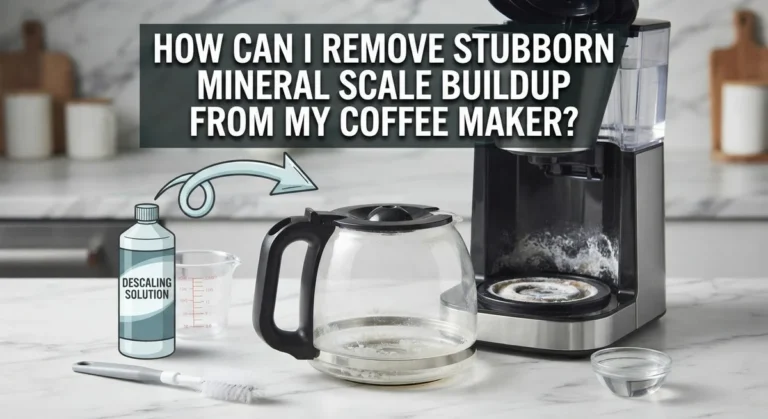
Mineral deposits are the number one reason coffee makers stop pumping water. Hard water contains calcium, magnesium, and lime that coat the inside of tubes, valves, and the heating chamber over time. This buildup narrows the water path until flow slows to a trickle or stops completely.
Descaling dissolves these mineral deposits and restores the internal passages to their original size. Here is how to do it with white vinegar, the most popular and accessible method.
Step 1: Empty the water reservoir and remove any coffee grounds or filters from the brew basket. Step 2: Mix equal parts white vinegar and water. For a 12 cup machine, use about 6 cups of vinegar and 6 cups of water. Step 3: Pour the solution into the water reservoir. Step 4: Start a brew cycle and let about half of the solution run through. Then turn off the machine and let it sit for 30 minutes. This soaking time lets the vinegar break down stubborn deposits. Step 5: Turn the machine back on and let the rest of the solution brew through. Step 6: Discard the vinegar solution from the carafe. Step 7: Fill the reservoir with fresh, clean water and run two to three full brew cycles to flush out any remaining vinegar taste and loosened debris.
Pros of vinegar descaling: Inexpensive, widely available, effective against moderate scale buildup, and safe for most coffee makers.
Cons: Strong vinegar smell during the process, may require multiple cycles for heavy buildup, and some manufacturers recommend commercial descalers instead of vinegar to protect internal seals.
Clear an Air Lock in the Water Line
An air lock happens when a bubble of trapped air blocks the water line and prevents the pump or heating system from pulling water through. This is extremely common in single serve machines and espresso makers, especially after the reservoir runs completely dry.
You will know you have an air lock if the machine turns on, the pump sounds like it is running (sometimes louder than usual), but no water or only a few drops come out. The pump cannot create enough suction to move water past the air bubble.
Here is how to fix it. Method 1: The tap and shake method. Turn off the machine and unplug it. Remove the water reservoir and fill it completely. Gently tap the bottom of the reservoir and the sides of the machine to dislodge air bubbles. Reattach the reservoir and plug the machine back in. Run a brew cycle without coffee to see if water flows.
Method 2: The syringe method. Open the machine (if accessible) and locate the water intake hose. Use a large syringe (10 to 30 ml) filled with water. Inject the water directly into the hose to push the air bubble out. Reconnect everything and test with a blank brew cycle.
Method 3: The squeeze method. If you can access the silicone tubing inside the machine, gently pinch and release the tube several times while the pump is running. This can break the air lock and let water flow past the trapped air.
Pros of air lock fixes: Free, quick (usually under 10 minutes), and effective for the exact problem.
Cons: Requires some disassembly for the syringe and squeeze methods, and the air lock may return if the root cause (like a leaking seal) is not addressed.
Clean or Replace a Stuck Check Valve
The check valve (also called a one way valve) is a small but critical part inside your coffee maker. It allows water to flow in one direction only and prevents backflow. When this valve gets coated with mineral scale, coffee oil residue, or debris, it can stick in the closed position and block all water flow.
You will suspect a stuck check valve if the machine powers on, the heating element gets warm, but no water moves at all. In some cases, only a tiny trickle comes through.
To clean the check valve, first unplug the machine and let it cool completely. Turn the coffee maker upside down and remove the base plate (usually held by a few screws). Locate the check valve, which is typically a small rubber or plastic ball inside a short tube near the water inlet.
Remove the valve carefully. Soak it in white vinegar or rubbing alcohol for 15 to 30 minutes to dissolve buildup. Use a soft brush or toothpick to clean any remaining debris. Check the rubber seal for cracks or warping. If the valve looks damaged or worn, replace it.
Reassemble the machine and test it by running a cycle with plain water. Water should flow freely and steadily into the carafe.
Pros of cleaning the check valve: Targets a very common hidden cause, inexpensive, and gives the machine a second life.
Cons: Requires disassembly, and finding the exact replacement valve can be difficult for some brands. Opening the machine may void a warranty.
Inspect and Clean the Water Tubes and Hoses
Internal tubing connects the reservoir to the heating chamber and the brew basket. Over time, these tubes can become clogged with mineral deposits, coffee oils, and even mold. A partially blocked tube reduces water flow, and a fully blocked tube stops it entirely.
Unplug the machine and remove the base plate or back panel to access the internal tubing. Look for visible buildup, discoloration, or narrowing inside the tubes. Clear tubes should look open and clean. If you see white or green crusty deposits, the tubes need cleaning.
You can flush the tubes by disconnecting them and running warm vinegar solution through them with a syringe or turkey baster. For stubborn clogs, soak the disconnected tubes in undiluted white vinegar for one to two hours. Use a thin bottle brush or pipe cleaner to scrub the inside.
Check for kinks or bends in the tubing as well. A kinked silicone tube can choke water flow just as effectively as a mineral clog. Straighten any bends and make sure the tubes route smoothly when you reassemble the machine.
If the tubes are stiff, cracked, or permanently discolored, replace them with food safe silicone tubing of the same diameter. This tubing is inexpensive and available at most hardware stores.
Pros of tube cleaning: Addresses a hidden but common problem, improves water flow and coffee taste, and extends machine life.
Cons: Requires opening the machine, can be messy, and reconnecting tubes incorrectly can cause leaks.
Test and Address a Faulty Heating Element
In drip coffee makers, the heating element does double duty. It heats the water and creates the pressure that pushes water up through the riser tube to the brew basket. If the heating element fails, the machine will not pump water at all.
Signs of a faulty heating element include a machine that turns on but never gets warm, water that stays cold in the reservoir, and a brew cycle that runs for a long time without producing any coffee.
You can test the heating element with a multimeter. Unplug the machine, remove the base plate, and locate the heating element (usually a flat metal plate or coiled tube at the bottom). Set your multimeter to the resistance (ohms) setting. Touch the probes to both terminals of the heating element. A reading between 100 and 300 ohms (depending on the model) indicates a working element. A reading of infinity or zero means the element has failed and needs replacement.
Replacing a heating element is possible on some models but impractical on many consumer grade coffee makers. The cost of the part plus the difficulty of the repair often exceeds the cost of a new machine.
Before you condemn the heating element, check the thermal fuse first. This small safety device cuts power to the element if the machine overheats. A blown thermal fuse is cheaper and easier to replace than the heating element itself.
Pros of testing the heating element: Gives you a definitive answer about whether the element works.
Cons: Requires a multimeter and basic electrical knowledge. Replacement parts may be hard to find and expensive relative to the machine’s value.
Check the Thermal Fuse for Failure
The thermal fuse is a small safety component that cuts power to the heating element if the coffee maker overheats. Once a thermal fuse blows, it does not reset. The heating element will not work, and the machine will not pump water.
Thermal fuse failure is very common in older machines and in machines that have been run without water in the reservoir. Running a dry brew cycle causes the heating element to overheat rapidly, which triggers the thermal fuse.
To check the thermal fuse, unplug the machine and remove the base plate. The thermal fuse is usually a small, oval or rectangular component connected by two wires near the heating element. Use a multimeter set to continuity mode. Touch one probe to each terminal of the fuse. If the multimeter beeps or shows near zero resistance, the fuse is good. If there is no continuity, the fuse has blown and must be replaced.
Replacement thermal fuses cost very little and are easy to install. You simply disconnect the old fuse and connect the new one to the same terminals. Make sure you use a fuse with the same temperature rating as the original to maintain proper safety protection.
After replacing the fuse, reassemble the machine and test it with a full reservoir of water. If the heating element was the only issue, the machine should pump water normally again.
Pros of thermal fuse replacement: Very inexpensive fix (often under a few dollars), quick to install, and resolves a common hidden problem.
Cons: Requires disassembly and a multimeter for testing. If the thermal fuse blew because of a deeper problem, the new fuse may blow again.
Fix a Failing or Weak Pump Motor
Espresso machines, single serve brewers, and some advanced drip machines use an electric pump to move water through the system. When this pump weakens or fails, you will hear it running but water flow will be slow, inconsistent, or completely absent.
A weak pump sounds different from a healthy one. Listen for a louder than usual buzzing, grinding, or clicking sound during the brew cycle. These noises suggest the pump is struggling but cannot move water effectively.
Before you replace the pump, make sure the problem is actually the pump and not a clog, air lock, or scale buildup. Run a full descaling cycle and clear any air locks first. If the pump still does not deliver water after these steps, the pump itself is likely the issue.
On some machines, you can access the pump by removing the bottom panel. The pump is usually a small, cylindrical motor connected to the water line. Check that its electrical connections are secure and that no debris is blocking the inlet or outlet.
If the pump has failed completely, you will need a replacement pump that matches your machine’s specifications. Check the manufacturer’s website or contact customer support for the correct part number. Installation usually involves disconnecting two water lines and two electrical wires, removing the old pump, and connecting the new one.
Pros of pump replacement: Restores full function to a machine that may otherwise work perfectly.
Cons: Replacement pumps can be expensive, and installation requires mechanical confidence. On lower cost machines, a new pump may cost more than a new coffee maker.
Use the Right Water to Prevent Future Problems
The type of water you put in your coffee maker directly affects how often you will face pumping problems. Hard tap water is the biggest contributor to mineral scale buildup, which is the most common cause of blocked water flow.
Filtered water is the best choice for most coffee makers. A simple carbon water filter pitcher removes chlorine, sediment, and some minerals while keeping enough mineral content for good tasting coffee. This reduces scale buildup significantly without stripping the water completely.
Avoid using distilled water in your coffee maker. While distilled water has no minerals and will not cause scale, it can actually corrode certain metal components over time. It also produces flat tasting coffee because minerals contribute to flavor extraction.
If you have very hard water, consider using a mix of filtered and distilled water. A 50/50 blend reduces mineral content enough to slow scale formation while keeping some minerals for taste.
Bottled spring water works well too, but it can get expensive over time. Check the mineral content on the label. Look for a total dissolved solids (TDS) count between 75 and 250 parts per million for the best balance of taste and machine health.
Pros of using filtered water: Reduces scale buildup, extends machine life, improves coffee taste, and is relatively inexpensive.
Cons: Requires purchasing a filter pitcher or installing a faucet filter, and filters need regular replacement.
Establish a Regular Maintenance Schedule
Prevention is easier, cheaper, and less frustrating than repair. A simple maintenance routine keeps your coffee maker pumping water reliably for years.
Descale your machine every one to three months, depending on your water hardness. If you use unfiltered hard water, monthly descaling is ideal. Filtered water users can stretch this to every two or three months. Use white vinegar or a descaling solution recommended by your machine’s manufacturer.
Wipe the exterior and brew basket after every use. Remove used grounds promptly to prevent mold growth and oil buildup. Wash the carafe with warm soapy water daily.
Deep clean the water reservoir once a week. Empty it completely, wash it with mild dish soap and a soft brush, and rinse it thoroughly before refilling. Standing water in the reservoir can breed bacteria and leave residue.
Never run the machine with an empty reservoir. This is one of the fastest ways to blow a thermal fuse or damage the heating element. Always check the water level before pressing the brew button.
Replace the water filter (if your machine has one) according to the manufacturer’s schedule. A clogged water filter restricts flow just like mineral scale does.
Pros of regular maintenance: Prevents most pumping problems before they start, extends the machine’s lifespan, and keeps coffee tasting fresh.
Cons: Requires a small time commitment (10 to 15 minutes per month) and a consistent habit.
Know When to Repair and When to Replace
Sometimes the best fix for a coffee maker that will not pump water is a new coffee maker. Knowing where to draw the line saves you time, money, and frustration.
Consider replacing your coffee maker if the machine is more than five years old and has a major component failure like a dead pump motor or cracked heating element. The cost of parts and the time spent on repair often exceed the price of a new, reliable machine.
If the repair costs more than 50% of a new machine’s price, replacement is the smarter choice. A new coffee maker also comes with a warranty and the latest safety features, which an older repaired machine does not offer.
On the other hand, a coffee maker under three years old with a simple clog, air lock, or blown thermal fuse is well worth repairing. These fixes cost little and take minutes to complete.
Think about how often problems recur. A machine that needs descaling every two weeks or loses prime after every use may have underlying issues that cleaning alone cannot solve. Frequent breakdowns signal that internal components are wearing out.
Signs your coffee maker needs replacing include: persistent leaks even after tightening connections, a burnt smell during operation, plastic parts that are cracking or warping, and inconsistent water temperature that descaling cannot fix.
Pros of timely replacement: Gets you a fully functional machine with a warranty and improved features.
Cons: Costs more upfront than a repair, and you need to dispose of the old machine responsibly.
Step by Step Troubleshooting Flowchart
When your coffee maker stops pumping water, follow this logical sequence to find and fix the problem quickly without wasting time on unnecessary steps.
Start with power. Is the machine plugged in? Is the outlet working? Is the power switch on? If no, fix the power issue. If yes, move on.
Check the water. Is the reservoir filled to the correct level? Is it seated properly? If no, fill and reseat the reservoir. If yes, move on.
Listen to the machine. Does it make any sound when you press brew? If the machine is completely silent, the issue is likely electrical (check the power cord, thermal fuse, and heating element). If the machine hums, buzzes, or clicks, the pump or heating system is trying to work but water cannot get through.
Run a descaling cycle. Use equal parts white vinegar and water. This solves the problem more than half the time. If water flows after descaling, the problem was mineral buildup. Establish a regular descaling schedule to prevent it from returning.
Check for air locks if descaling did not work. Use the tap and shake method or the syringe method described earlier.
Inspect the check valve if the air lock fix did not help. Clean or replace it as needed.
Test the heating element and thermal fuse if nothing else has worked. Use a multimeter to check for continuity.
If all steps fail, the pump motor may have failed or there may be an internal wiring issue. At this point, contact the manufacturer for warranty support or consider replacing the machine.
Frequently Asked Questions
Why is my coffee maker making noise but not pumping water?
This usually means the pump or heating system is receiving power and trying to work, but water is blocked from flowing through the system. The most common causes are mineral scale buildup inside the tubes, an air lock in the water line, or a stuck check valve. Start by running a vinegar descaling cycle. If that does not work, check for air locks by filling the reservoir completely, tapping the machine, and running a blank brew cycle. A stuck check valve will require you to open the machine and clean or replace the valve.
How often should I descale my coffee maker to prevent pumping problems?
Descale every one to three months depending on your water hardness. If you live in an area with hard water and use unfiltered tap water, descale monthly. If you use filtered water, every two to three months is sufficient. Regular descaling removes calcium and lime deposits before they build up enough to block water flow. Using a mix of equal parts white vinegar and water is the most accessible method.
Can I use citric acid instead of vinegar to descale my coffee maker?
Yes. Citric acid is an effective and odorless alternative to vinegar for descaling. Dissolve one to two tablespoons of citric acid in a full reservoir of water and run it through the machine. Follow with two or three rinse cycles of fresh water. Citric acid dissolves mineral deposits just as well as vinegar and does not leave a lingering taste or smell. Some manufacturers actually recommend citric acid over vinegar.
What should I do if my coffee maker still will not pump water after descaling?
If descaling does not fix the problem, move on to checking for air locks, inspecting the check valve, and testing the heating element and thermal fuse. Air locks are the second most common cause after mineral buildup. If mechanical components like the pump motor or heating element have failed, you will need to decide whether to repair or replace the machine based on its age and the cost of parts.
Is it safe to open my coffee maker for repairs?
Yes, as long as you unplug the machine first and let it cool completely. Coffee makers contain a heating element and electrical wiring, so never work on a plugged in unit. Basic repairs like cleaning a check valve, replacing a thermal fuse, or clearing a clogged tube are safe for most people with basic tool skills. However, opening the machine may void your warranty, so check your warranty terms before proceeding.
Why does my coffee maker only pump a small amount of water?
A partial water flow usually points to a partial clog rather than a complete blockage. Mineral scale may be narrowing the tubes without fully blocking them. A weak pump motor can also cause low flow. Start with a thorough descaling cycle. If the flow improves but is still weak, descale a second time. Check the water filter (if your machine has one) for clogs, and inspect the internal tubing for kinks or buildup.

Hi, I’m Luna! I’m the voice behind CoffeePickster.com. I’m a coffee obsessive who’s spent way too many hours (and dollars) testing coffee makers so you don’t have to. I created this blog to help fellow coffee lovers find the right gear without the guesswork. Let’s brew something great together!