How To Fix A Coffee Maker Warmer Plate That Is Peeling And Rusting?
Does your coffee maker’s warmer plate look rusty and worn out? You are not alone. Many coffee makers develop peeling coatings and rust spots over time.
This happens due to constant heat exposure and moisture buildup. The good news? You can fix this problem yourself.
You don’t need to buy a new coffee maker just because the warmer plate looks bad. With a few simple tools and steps, you can restore it safely.
This guide walks you through the entire repair process. We cover how to safely remove rust using fine grit sandpaper. You will also learn an easy baking soda method for stubborn corrosion.
In a Nutshell
- Always unplug your coffee maker first. This keeps you safe while you work on the warmer plate.
- Sand the rusted spots using fine grit sandpaper. Work gently until you reach the bare metal underneath.
- Clean off dust with a damp cloth after sanding. Make sure the plate dries completely before you continue.
- Try a baking soda paste for tough rust spots. Mix baking soda with water and let it sit on the corrosion.
- For regular upkeep, use a soft cloth with mild detergent. Skip harsh or abrasive cleaners since they make peeling worse.
- Remember these key mistakes to avoid: using rough cleaners, forgetting to dry the plate, and skipping the unplug step.
Why Warmer Plates Peel and Rust Over Time
Warmer plates on coffee makers face constant stress. Heat cycles cause the protective coating to expand and contract repeatedly. Over time, this movement creates tiny cracks in the surface layer.
Moisture is the second major culprit. Water from coffee spills, steam, and humidity seeps into these cracks. Once water reaches the metal underneath, rust begins to form. This rust pushes the coating upward, causing it to peel away in flakes.
The peeling process accelerates itself. Exposed metal rusts faster than protected metal. As rust spreads, more coating separates from the base. You end up with larger bare patches that collect even more moisture.
Daily use makes things worse. Each time you brew coffee, heat rises from the plate. This heat pulls moisture upward through the damaged coating. The cycle repeats every single day, deepening the rust problem.
Mineral deposits from tap water add another layer of damage. These deposits accumulate on the plate surface. They trap moisture against the metal and speed up corrosion. Hard water areas experience this issue more severely than soft water regions.
Cleaning habits matter too. Using rough scrubbers or harsh chemicals on a peeling plate removes more coating. This exposes fresh metal to air and moisture. Even well meaning cleaning can make rust spread faster if you use the wrong tools.
The good news is that understanding these causes helps you fix the problem properly. Knowing why the damage happens guides you toward the right repair method. You can stop the rust cycle and restore your warmer plate’s function. The key is addressing both the visible rust and the underlying moisture issue.
Tools and Materials You Will Need
Before you start fixing your coffee maker’s warmer plate, gather the right supplies. You need several items to do this job safely and effectively.
Sandpaper is essential for removing rust and peeling coating. Get fine grit sandpaper, which works better than coarse grades for this delicate task. Fine grit removes rust without damaging the metal underneath. You will want at least a few sheets since you may need to sand multiple areas.
A damp cloth helps you clean away dust and debris after sanding. Use a soft cloth rather than rough materials. This prevents scratching the surface further. Make sure the cloth is clean and lint free.
Baking soda is useful for stubborn rust spots that resist sanding alone. Mix it with water to make a paste. This natural solution works well and costs almost nothing. You likely have it in your kitchen already.
You also need mild detergent for routine cleaning after repairs. This keeps your warmer plate in good condition going forward. Avoid harsh or abrasive cleaners, as these make peeling worse.
A dry towel is critical for the final drying step. Never skip drying after wet cleaning. Moisture left behind causes rust to return faster.
Safety gear matters too. Wear gloves to protect your hands while sanding. Safety glasses shield your eyes from dust particles. These simple precautions keep you safe during the repair.
Finally, have your instruction manual nearby in case you need to remove the warmer plate from your coffee maker. Some models require disassembly before you can access the plate properly. Check your manual first to see if removal is necessary for your specific unit.
Step-by-Step: Sanding Away Rust and Peeling Coating
Start by unplugging your coffee maker from the wall outlet. This is the most important safety step you can take. Never work on electrical appliances while they remain plugged in.
Let the warmer plate cool completely if your coffee maker was recently used. A hot surface can burn your hands and make the repair process unsafe.
Examine the rusted areas closely. You need to see how deep the rust goes and how much coating has peeled away. This helps you decide which sanding approach works best.
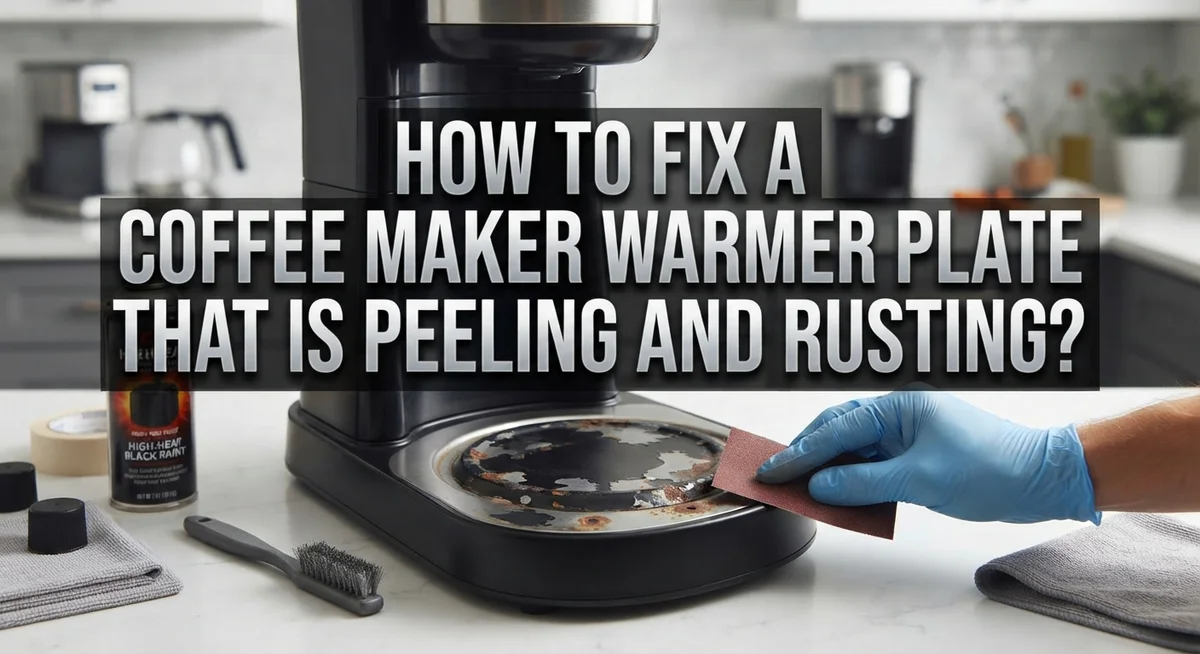
Grab fine grit sandpaper and begin sanding the rusted spots with gentle, circular motions. Press down lightly rather than scrubbing hard. The goal is to remove rust and loose coating without damaging the underlying metal too much.
Work slowly and check your progress often. Sand until you reach bare metal underneath the rust and peeling paint. This may take several minutes depending on rust severity.
Once sanding is complete, use a damp cloth to wipe away all dust and debris. Rust particles and sand dust must come off completely. Wipe the plate multiple times if needed.
For stubborn rust that resists sanding, make a paste using baking soda and water. Apply this paste directly to the corroded spots and let it sit for 15 to 20 minutes. The paste penetrates corrosion naturally. Then scrub gently with a soft cloth and rinse with your damp cloth.
After cleaning, dry the warmer plate thoroughly with a clean, dry towel. Moisture left behind will cause rust to return quickly. Make sure no water droplets remain on the surface.
Your warmer plate is now ready for the next repair steps. The bare metal surface you have created provides a clean foundation for further treatment.
Using a Baking Soda Paste for Stubborn Corrosion
Baking soda paste works exceptionally well when rust refuses to budge after sanding. This method uses ingredients you likely have at home already.
Start by mixing baking soda with water to create a thick, spreadable consistency. The paste should coat the corroded areas without dripping off the warmer plate. Apply the mixture directly onto stubborn rust spots and let it sit for 15 to 20 minutes. This waiting period allows the baking soda to penetrate and break down the corrosion chemically.
After the paste has settled, use a soft cloth or soft bristled brush to gently scrub the affected areas. Work in small circular motions to avoid damaging any remaining coating. The goal is to loosen the rust without aggressive scrubbing. Rinse the warmer plate with a damp cloth to remove all baking soda residue completely.
For particularly stubborn corrosion, you can repeat this process a second time. Some rust spots need multiple applications to fully dissolve. Patience matters more than force here. Aggressive scrubbing can scratch the plate surface and cause new damage.
Once the rust lifts away, dry the warmer plate immediately with a clean, dry towel. Any moisture left behind will restart the rusting process quickly. Make sure every crevice and edge is completely dry before reassembling your coffee maker.
This baking soda method is gentler than harsh chemicals and won’t harm the warmer plate’s underlying material. It’s especially useful for light to moderate rust that didn’t respond well to sanding alone. The combination of sanding first, then using baking soda paste, handles most warmer plate corrosion problems effectively.
Cleaning and Drying the Plate After Repair
After you finish sanding and treating rust with baking soda paste, the cleaning and drying process becomes critical. This step prevents moisture from causing new rust to form quickly on your freshly treated warmer plate.
Start by wiping the entire plate surface with a damp cloth. Use gentle motions to remove all sanding dust, baking soda residue, and loose particles. Pay special attention to crevices and edges where debris tends to collect. A damp cloth works better than a dry one because it captures particles instead of pushing them around.
Rinse the cloth frequently as you work. Dirty water on your cloth can redeposit rust particles back onto the clean metal. Keep rinsing until the cloth comes away clean with no visible dust or residue.
Once you finish the wet cleaning, dry the plate immediately with a clean, dry towel. Do not let the plate air dry or sit wet. Moisture left on bare metal creates the perfect conditions for rust to return within hours or days.
Rub the entire surface thoroughly with your towel. Make sure you remove all water droplets and moisture from every area, including hard to reach spots around the heating element connection points.
After drying, let the warmer plate sit in a cool, dry location for at least 30 minutes before reassembling your coffee maker. This allows any remaining moisture to evaporate completely.
Never skip the drying step. Many people make this mistake and find rust returning quickly. Proper drying is just as important as the rust removal itself for long term success.
Ongoing Maintenance to Prevent Future Rust and Peeling
Keeping your warmer plate in good condition takes simple, regular effort. The best defense against rust and peeling is preventing moisture from sitting on the surface. After each use, wipe down the plate with a soft, dry cloth while it’s still warm. This removes any water droplets or coffee residue that could trigger corrosion.
Use only mild detergent and soft cloths for routine cleaning. Harsh scrubbers and abrasive cleaners actually speed up peeling and damage the protective coating. Stick with gentle, circular motions when you clean. This keeps the surface intact longer.
Let your coffee maker dry completely before storing it. If you notice any water pooling on the plate, dry it immediately. Standing moisture is the main culprit behind rust formation on metal surfaces.
Check your warmer plate monthly for early signs of trouble. Catching rust spots when they’re small makes repairs much easier. Look for discoloration, tiny bubbles in the coating, or rough patches that feel different from the smooth surface.
Store your coffee maker in a dry location. Damp basements or humid kitchens speed up rust development. If you live in a humid climate, consider placing your machine in a cabinet or on a shelf away from steam sources.
Never leave water sitting inside the reservoir or on the plate. Empty the water after each brewing cycle. This simple habit prevents mineral buildup and corrosion from developing underneath the coating.
If your home has hard water, consider using filtered water in your coffee maker. Hard water minerals contribute to rust and coating breakdown over time. These small maintenance habits add years to your warmer plate’s life.
Common Mistakes to Avoid During Repair
When you repair a coffee maker warmer plate, several common mistakes can make the problem worse. Understanding what to avoid saves you time and prevents additional damage.
Never use harsh or abrasive cleaners on your warmer plate. These products strip away protective coatings faster and worsen peeling. Stick to mild detergent and soft cloths instead. Abrasive scrubbers, steel wool, and scouring pads cause more harm than good.
Skipping the unplugging step puts you at risk. Always disconnect your coffee maker from power before touching the warmer plate. This simple action prevents electrical shock and keeps you safe during repairs.
Don’t rush through the drying process after wet cleaning. Many people wipe their plate and immediately reassemble the unit. Water left on the surface accelerates rust formation. Take time to dry every inch thoroughly with a clean towel.
Avoid using coarse sandpaper on rusted areas. Fine-grit sandpaper removes rust without gouging the metal underneath. Coarse grades create deep scratches that rust faster. These scratches become new problem spots.
Don’t skip the baking soda paste step for stubborn rust. Some people sand once and assume the job is done. Stubborn corrosion needs the extra treatment. The paste penetrates deep rust that sanding alone misses.
Never leave moisture on your warmer plate after cleaning. Water sitting on the surface breeds new rust quickly. Dry completely before storing your coffee maker.
Finally, avoid storing your unit in humid environments. Damp basements and steamy kitchens accelerate rust development. Choose a cool, dry location instead.
These mistakes seem small, but they create bigger problems later. Focus on proper technique, and your warmer plate stays functional longer.
Troubleshooting: When the Plate Still Won’t Heat Evenly
When your warmer plate still won’t heat evenly after initial repairs, the problem usually runs deeper than surface rust. Uneven heating points to either incomplete rust removal or damage beneath the peeling coating.
Start by checking if you sanded all rusted spots thoroughly. Rust hides in small crevices and pits on the metal surface. Run your finger across the plate gently. You should feel a smooth, uniform texture. If you find rough patches or flaking areas, sand those sections again with fine-grit sandpaper. Work in circular motions until the surface feels consistent.
Temperature inconsistency also happens when rust penetrates the heating element connections underneath the plate. This requires testing the electrical connections. Plug in your coffee maker and let it warm up for two minutes. Feel different areas of the plate with your hand. Mark the cold spots mentally. These cold zones show where heat transfer fails.
If one side stays cold while the other heats normally, internal corrosion likely blocks the heat pathway. The baking soda paste treatment may not reach deep enough corrosion. In this case, you might need professional inspection since internal repairs involve electrical components.
Never apply heat treatments or coatings yourself to fix internal heating problems. This creates safety hazards.
For surface heating issues, ensure your baking soda paste sat long enough. Let it rest for 15 to 20 minutes on stubborn rust spots. The longer contact time breaks down corrosion more effectively. After removing the paste, sand gently and clean thoroughly with a damp cloth.
Test your coffee maker again after these steps. Heating should now feel even across the entire plate surface.
Final Thoughts
Fixing a peeling and rusty warmer plate is simpler than most people think. You don’t need special tools or expensive products.
A little sandpaper, some baking soda, and patience will solve most problems. This approach saves you money and extends your coffee maker’s life.
Timing matters just as much as technique. Catching rust early means less sanding and faster repairs.
Waiting too long lets corrosion spread deeper into the metal. That makes the fix harder and sometimes impossible.
Think of plate care as part of your regular coffee routine. A quick check each week costs you nothing but a few seconds.
This small habit prevents bigger headaches down the road. It also protects the heating element hidden beneath the surface.
Remember that safety comes first in every repair step. Always unplug your unit before touching the plate.
Skipping this step risks shock or burns during cleanup. No repair is worth an injury.
Your warmer plate doesn’t need to look brand new. It just needs to work safely and heat evenly.
Focus on function over appearance when doing repairs. A slightly worn plate that heats properly beats a shiny one that doesn’t.
If problems continue after multiple repair attempts, the issue likely sits deeper than surface rust. Internal damage sometimes means it’s time for a new unit.
Trust your instincts here. If something feels unsafe or unfixable, don’t force a solution.
Regular maintenance remains your best defense against future rust and peeling. Clean gently, dry thoroughly, and store properly.
These three habits alone prevent most plate problems. Your coffee maker will thank you with years of reliable service.
Taking care of small issues now means enjoying hot coffee later without unexpected breakdowns or safety concerns.
Frequently Asked Questions
Why does my coffee maker’s warmer plate peel in the first place?
The coating on warmer plates peels because of heat cycling and moisture exposure. Every time you brew coffee, the plate heats up and cools down. This constant expansion and contraction weakens the protective coating over time.
Moisture from spilled coffee or steam also breaks down the coating from underneath. Once the coating cracks, water seeps into the metal and causes rust to form. Regular use in humid kitchens speeds up this process significantly.
Can I use a regular cloth to clean the rusted plate?
Yes, use a soft cloth with mild detergent for routine cleaning. This approach works well for light dust and dried coffee residue.
Avoid scrubbing hard or using rough cloths on peeling areas. Aggressive scrubbing removes more coating and exposes bare metal to rust. A gentle touch preserves what’s left of the protective layer.
What’s the difference between fine grit and coarse sandpaper for this repair?
Fine grit sandpaper removes rust without gouging the metal surface. Coarse grades scratch and damage the plate, making future peeling worse.
Fine grit creates a smooth finish that accepts new protective treatments better. This matters because rough surfaces trap moisture and rust faster.
How long should I let the baking soda paste sit on rust spots?
Let the paste sit for 15 to 30 minutes to work effectively. This gives the baking soda time to penetrate and soften stubborn corrosion.
Check the rust spot after 15 minutes. If it’s still hard, wait another 15 minutes before scrubbing gently with your soft cloth.
When should I replace my warmer plate instead of repairing it?
Replace the plate if rust penetrates deep into the metal or if heating becomes uneven across the surface. Surface rust responds well to repairs, but internal corrosion requires replacement for safety reasons.

Hi, I’m Luna! I’m the voice behind CoffeePickster.com. I’m a coffee obsessive who’s spent way too many hours (and dollars) testing coffee makers so you don’t have to. I created this blog to help fellow coffee lovers find the right gear without the guesswork. Let’s brew something great together!