
Why Does My Filter Coffee Taste Bitter And Over-Extracted?
Do you take a sip of your morning coffee and wonder why it tastes harsh? That bitter, sharp taste can ruin a good cup. You are not alone in this problem.
Most home brewers face this issue at some point. The good news is that bitterness is not random. It happens for clear reasons.
In this article, we break down the science behind bitter coffee. You will learn why your filter coffee tastes harsh and what causes this problem.
In a Nutshell
- Over-extraction is the main reason your coffee tastes bitter. Water pulls out too many compounds from the grounds when it stays in contact for too long.
- Grind size matters a lot. A grind that is too fine slows down water flow. This extra contact time makes your cup taste harsh and sharp.
- Water temperature plays a big role. Water that is too hot speeds up the extraction of bitter compounds. Your coffee ends up tasting burnt.
- Brew time and water ratio affect the final taste. Too much water or a long brew time both lead to over-extraction and bitterness.
- Stale beans and dirty equipment also spoil the flavor. Fresh beans and clean gear make a real difference.
- Remember the key difference: sour coffee means underextraction, while bitter coffee means overextraction. Knowing this helps you fix the problem fast.
Understanding Extraction: Sour vs Bitter Coffee
When you brew filter coffee, two main flavor problems can happen: sour and bitter. Understanding the difference helps you fix your cup right away.
Sour coffee tastes sharp and acidic. It feels thin on your tongue. This happens when water doesn’t spend enough time with the grounds. We call this underextraction. The water passes through too quickly. It only pulls out the bright, acidic compounds. The deeper, richer flavors stay behind in the grounds.
Bitter coffee tastes harsh and unpleasant. It feels heavy and rough. This happens when water spends too much time with the grounds. We call this overextraction. The water pulls out too many compounds, including the ones that taste bad. These bitter compounds come out last during brewing.
Here’s the simple rule: if your coffee tastes sour, you need more extraction. If it tastes bitter, you need less extraction.
The extraction process works like this. First, water touches the grounds and pulls out sweet, acidic flavors. Next, it extracts balanced, smooth flavors. Finally, it pulls out bitter, unpleasant compounds. You want to stop brewing right in the middle stage.
Temperature affects extraction speed. Hot water pulls compounds out faster. Cool water pulls them out slower. Grind size matters too. Fine grounds slow down water flow. Coarse grounds speed it up. Brew time is obvious: longer brewing means more extraction. Water ratio counts as well. More water means longer contact time with the grounds.
Most home brewers struggle with bitter coffee because they use fine grinds or brew too long. The good news? Small adjustments fix this quickly. You’ll taste the difference in your next cup.
Top Causes of Bitter, Over-Extracted Filter Coffee
Your filter coffee tastes bitter because too many compounds dissolve from the grounds into your water. This happens when brewing takes too long or conditions favor rapid extraction. Let’s break down the main culprits.
Grind size is often the biggest problem. When your grounds are too fine, water moves through them slowly. This extended contact time pulls out harsh, bitter compounds that you don’t want in your cup. Coarser grounds allow water to flow faster, which reduces extraction time and prevents bitterness.
Water temperature directly controls how fast extraction happens. Hot water pulls compounds out faster than cooler water. If your water is too hot, you extract bitter flavors within minutes. Most people brew at temperatures that are hotter than necessary for filter coffee.
Brew time matters tremendously. Leaving grounds in contact with water for too long guarantees over extraction. Even a few extra minutes can shift your coffee from smooth to harsh. Set a timer and stick to it.
Water to coffee ratio affects how much total extraction occurs. Using too much water means the grounds steep longer in liquid. This increases the chance that bitter compounds dissolve into your brew.
Stale beans also contribute to bitterness. Old coffee has already begun to degrade. When you brew stale beans, the degraded oils and compounds taste sharp and unpleasant.
Finally, dirty equipment leaves behind residue that tastes bitter. Old coffee oils cling to your filter basket and carafe. These oils oxidize and become rancid, making every new batch taste worse.
Each of these factors works alone or together to create that unpleasant bitter taste.
How Grind Size Affects Extraction and Bitterness
Grind size directly controls how water moves through your coffee grounds. When your grind is too fine, water slows down and spends extra time in contact with the coffee. This extended contact time pulls out more bitter compounds than you want.
Think of it like this: fine grounds pack tightly together, forcing water to move through slowly. The longer water sits with the grounds, the more it extracts. This is over-extraction, which creates that harsh, unpleasant taste in your cup.
Coarser grounds work the opposite way. Water flows through them quickly, reducing contact time and limiting extraction. Your coffee tastes smoother because fewer bitter compounds make it into your cup.
The sweet spot depends on your brewing method. Filter coffee typically needs a medium grind, similar to sand texture. If your coffee tastes bitter, try making your grind noticeably coarser. You should see a difference in just one or two brews.
Here’s a practical test: if your filter coffee tastes bitter but not sour, grind size is likely your culprit. Adjust to a coarser setting and brew normally. If bitterness decreases, you found the problem.
Many people make the mistake of grinding too fine because they think finer means stronger coffee. Strength comes from using more grounds, not grinding finer. Fine grinds just trap water longer and pull out unwanted flavors.
Start with a medium grind and adjust from there. Go coarser if your coffee tastes bitter. Go finer only if your coffee tastes sour and weak. This simple adjustment often fixes bitter coffee without changing anything else about your brewing routine.
Water Temperature and Brew Time: Getting It Right
Water temperature and brew time work together like a team. When either one gets out of balance, your coffee becomes bitter and unpleasant to drink.
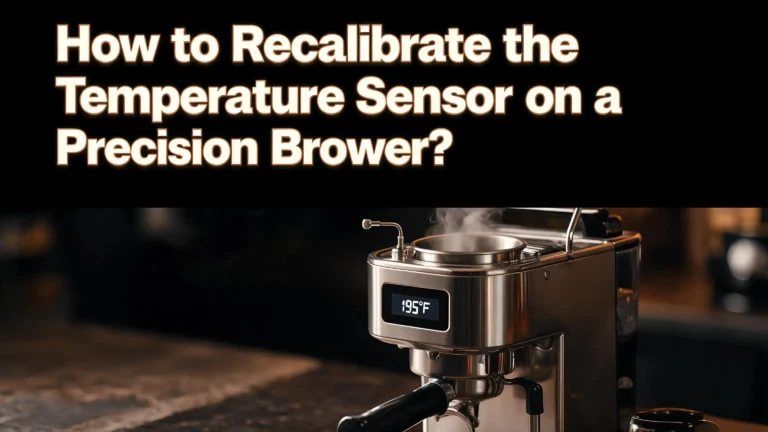
Water temperature is the accelerator of extraction. Hot water pulls compounds from your grounds much faster than cool water does. Most home brewers use water between 195 and 205 degrees Fahrenheit, which is ideal. If your water is hotter than 205 degrees, it extracts too quickly and pulls out bitter compounds you don’t want. The solution is simple: let your water cool for about 30 seconds after it boils before pouring.
Brew time determines how long your grounds stay in contact with water. For filter coffee, aim for 3 to 4 minutes total. If you’re brewing longer than 5 minutes, you’re definitely over-extracting. Even an extra minute makes a noticeable difference in taste. Start timing from when water first touches your grounds.
Here’s the practical fix: if your coffee tastes bitter, reduce your brew time by 30 seconds first. This is the easiest change to make. If that doesn’t help enough, lower your water temperature by 5 degrees.
The combination matters most. Slightly cooler water at 200 degrees with a 3.5 minute brew time produces smooth, balanced coffee. Hot water at 210 degrees with a 4.5 minute brew creates bitterness. You don’t need expensive equipment to control these factors. A simple thermometer and kitchen timer give you complete control over extraction.
Start with these two adjustments before changing anything else. Most bitter coffee problems disappear once you nail the temperature and timing combination.
Fixing Your Coffee-to-Water Ratio
Your coffee to water ratio is one of the easiest fixes for bitter taste. Most home brewers use too much water, which means your grounds stay in contact with liquid for longer than needed.
The basic rule is simple: use less water or more coffee grounds. Standard ratios range from 1:15 to 1:17 (one part coffee to fifteen or seventeen parts water). If you’re currently using 1:20 or higher, you’re likely over extracting.
Here’s how to test this yourself. Measure your current setup. If you brew with 30 grams of coffee and 600 milliliters of water, that’s a 1:20 ratio. Switch to 600 milliliters with 40 grams of coffee instead. This creates a 1:15 ratio and reduces extraction time significantly.
Start by adjusting your ratio before changing anything else. Many people tweak their grind size or temperature when the real problem sits right in their measuring cup.
Your brewing method matters too. Pour over systems behave differently than immersion brewers. With pour over, water moves through quickly, so a slightly higher ratio works fine. With French press, water sits with grounds the entire time, so you need less water relative to your coffee amount.
Track what you use for one week. Write down your coffee amount, water amount, and how the cup tastes. Small adjustments reveal patterns fast. Most people find their sweet spot within three to five tries.
Once you nail your ratio, stick with it. This consistency lets you identify other problems like temperature or grind size if bitterness returns. Your ratio is the foundation everything else builds upon.
Common Brewing Mistakes That Cause Bitterness
Brewing mistakes happen to everyone, but understanding them helps you fix bitter coffee quickly. The most common error is leaving grounds in contact with water for too long. This over-extraction pulls out harsh, bitter compounds that ruin your cup.
Fine grind size causes a major problem. When you grind too fine, water moves through slowly, forcing extended contact time. Your grounds stay saturated longer than intended. This creates bitterness even with normal brew times. Switch to a medium or medium-coarse grind to speed up water flow.
Water temperature matters more than most people realize. Boiling water accelerates extraction dramatically. If you pour water at 212 degrees, you extract bitter compounds faster. Aim for 195 to 205 degrees instead. This cooler temperature extracts the good flavors without pulling out the harsh ones.
Your coffee-to-water ratio directly impacts extraction speed. Too much water means your grounds steep longer. The solution is simple: use less water or add more grounds. Track your measurements for consistency.
Delayed pressing in French press methods causes over-extraction too. If you forget to press the plunger down at the right time, grounds continue brewing and become bitter.
Start with one adjustment at a time. Reduce brew time by 30 seconds first. If bitterness remains, check your grind size next. Then evaluate water temperature. Finally, verify your ratio. This systematic approach helps you identify exactly which mistake caused the problem. Most bitter coffee comes from one or two fixable errors, not multiple issues combined.
Troubleshooting: Step-by-Step Fixes for Bitter Coffee
Bitter coffee comes from over extraction, which means your grounds stayed in contact with water too long. The good news is that fixing this problem requires simple, practical changes you can make right now.
Start by reducing your brew time first. This is the quickest fix. If you normally brew for 4 minutes, cut it back to 3.5 minutes and taste the difference. Many people find that shaving off 30 seconds eliminates bitterness completely. Track your timing so you know exactly what works.
Next, check your water temperature. Water that’s too hot speeds up extraction and pulls out bitter compounds faster. Aim for water between 195 and 205 degrees Fahrenheit. If your kettle doesn’t have a temperature gauge, let boiling water cool for about 30 seconds before pouring.
Your grind size also plays a big role here. Fine grounds slow down water flow and force it to spend more time with the coffee. This creates over extraction. Switch to a medium or medium coarse grind and see if the bitterness disappears. Coarser grounds let water pass through faster, reducing contact time.
Make one change at a time. This helps you identify which adjustment actually solved your problem. If you change everything at once, you won’t know what worked.
Finally, use fresh beans and clean equipment regularly. Old beans taste flat and bitter no matter what you do. Residue left inside your coffee maker also adds bitter flavors to every cup.
Test each fix for a few days before moving to the next one. Your perfect cup is just one small adjustment away.
The Role of Bean Freshness and Equipment Cleanliness
Your beans lose flavor quality quickly after roasting. Stale coffee grounds release bitter compounds more easily during brewing. Fresh beans are essential for smooth, balanced coffee. Check your roast date on the bag. Use beans within two to three weeks of roasting for best results.
Old beans absorb moisture from the air. This changes how water flows through them during brewing. The water moves faster through degraded grounds, causing uneven extraction. Some areas get over-extracted while others stay under-extracted. This creates that harsh, bitter taste you’re experiencing.
Your equipment also plays a huge role in bitterness. Coffee oils and residue build up inside your brewer over time. These deposits sit on your filter basket, spray head, and water lines. When you brew fresh coffee, it passes through this old residue. The stale oils mix with your new coffee and create a bitter, rancid flavor.
Clean your equipment weekly to prevent this problem. Use hot water and a soft brush to scrub your filter basket. Rinse your spray head thoroughly. Wipe down any removable parts. For deeper cleaning, run hot water through your brewer without coffee grounds.
Check your water lines too. Mineral deposits and old coffee residue hide inside tubes and chambers. These deposits trap bitter compounds that transfer to your fresh brew. A simple water flush helps remove loose buildup.
Start here before adjusting other variables. Replace stale beans with fresh ones. Clean your equipment thoroughly. Brew a test pot to see if the bitter taste disappears. Often, these two fixes alone solve the problem completely.
Final Thoughts
Bitter, over extracted coffee is not a mystery. It happens for clear reasons, and you can fix every one of them.
Small changes make a big difference. You do not need fancy equipment or special skills. You just need to understand what your coffee tells you.
Remember the key distinction. Sour means underextracted. Bitter means overextracted. This single idea guides every fix you make.
Start simple. Check your ratio first. Adjust your grind size next. Watch your water temperature closely.
Patience matters here. Do not change five things at once. Change one thing, taste your coffee, then decide what to try next.
Your taste buds are your best tool. They tell you exactly what your coffee needs. Trust what you taste, and adjust accordingly.
Fresh beans and clean equipment support every other fix you make. Skip these basics, and even perfect technique will not save your cup.
Think of brewing as a simple formula. Grind size, water temperature, ratio, and time all work together. Balance these four factors, and bitterness disappears.
Some days your coffee needs tiny tweaks. Other days it needs a bigger change. That is normal, and it gets easier with practice.
Keep notes if it helps. Write down what works for your beans and your equipment. This makes future troubleshooting faster.
Great coffee is a skill you build over time. Every cup teaches you something new about your process.
You have the tools to fix bitter coffee now. Test these changes, trust your palate, and enjoy the process. Soon, you will pour a smooth, balanced cup every single time, without much extra effort at all.
Frequently Asked Questions
Why does my filter coffee taste bitter instead of smooth?
Bitter coffee happens when water stays in contact with your grounds too long. This pulls out harsh compounds that ruin the flavor. Over-extraction is the main culprit here.
Several things cause this problem. Your water might be too hot. Your grind might be too fine. You might be using too much water. Each of these slows down the brewing process and creates bitterness.
The good news? You can fix this with simple changes.
What’s the difference between bitter and sour coffee?
These two taste problems come from opposite causes. Sour coffee means your grounds didn’t stay in contact with water long enough. The extraction was too short or too cool.
Bitter coffee is the opposite. Your grounds spent too much time in the water. The extraction went too far and pulled out unpleasant compounds.
This distinction matters because it tells you exactly what to adjust. If your coffee tastes bitter, you need to speed up the process. If it tastes sour, you need to slow it down.
How does grind size affect bitterness?
Your grind size controls how fast water flows through the coffee. Fine grounds pack tightly together and slow water down. This means longer contact time between water and coffee.
Longer contact time equals more extraction. More extraction equals bitter taste. Coarser grounds let water move faster, which reduces extraction time and bitterness.
If your coffee tastes bitter, try using a coarser grind next. This simple change often solves the problem.
Does water temperature really matter that much?
Yes. Hot water extracts compounds faster than cool water. Very hot water pulls out bitter compounds quickly.
Lower your water temperature by just a few degrees. This slows extraction and reduces bitterness. Most filter coffee brews best at slightly cooler temperatures than many people use.

Hi, I’m Luna! I’m the voice behind CoffeePickster.com. I’m a coffee obsessive who’s spent way too many hours (and dollars) testing coffee makers so you don’t have to. I created this blog to help fellow coffee lovers find the right gear without the guesswork. Let’s brew something great together!